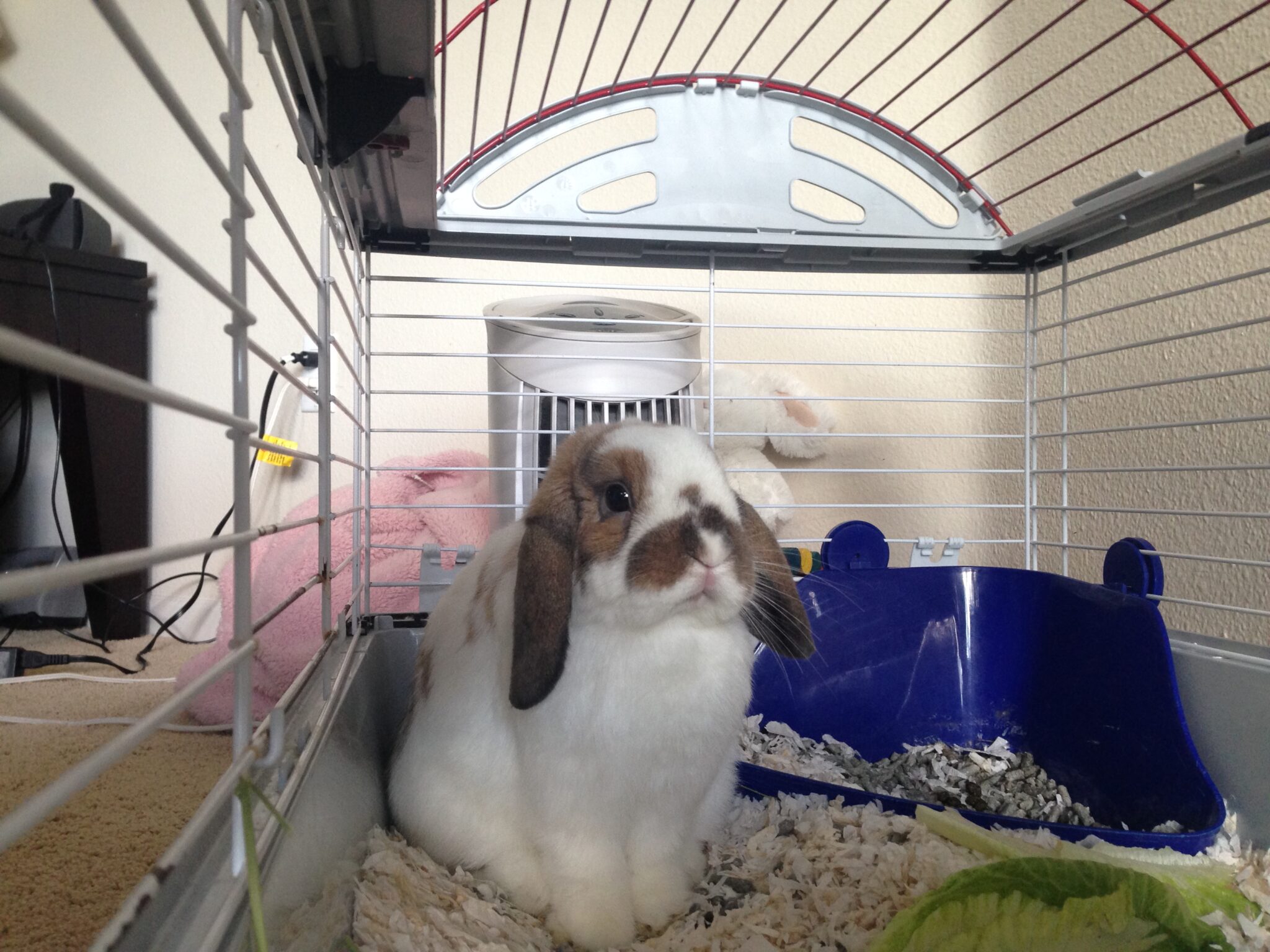
Creating a rabbit safe balcony or a secure garden space lets your rabbit enjoy fresh air, new smells and room to explore — but only if the area is escape-proof, shaded and supervised at all times. Rabbits are small, quick and determined diggers, and an unsecured balcony or garden can turn dangerous in seconds through a fall, an escape, a predator or something toxic they have eaten. With careful preparation and your constant presence, outdoor time can be a safe, enriching part of your rabbit’s routine.
This guide covers making a balcony safe, securing a garden, the weather limits to respect, and introducing outdoor time gradually.
Why Outdoor Time Needs Planning
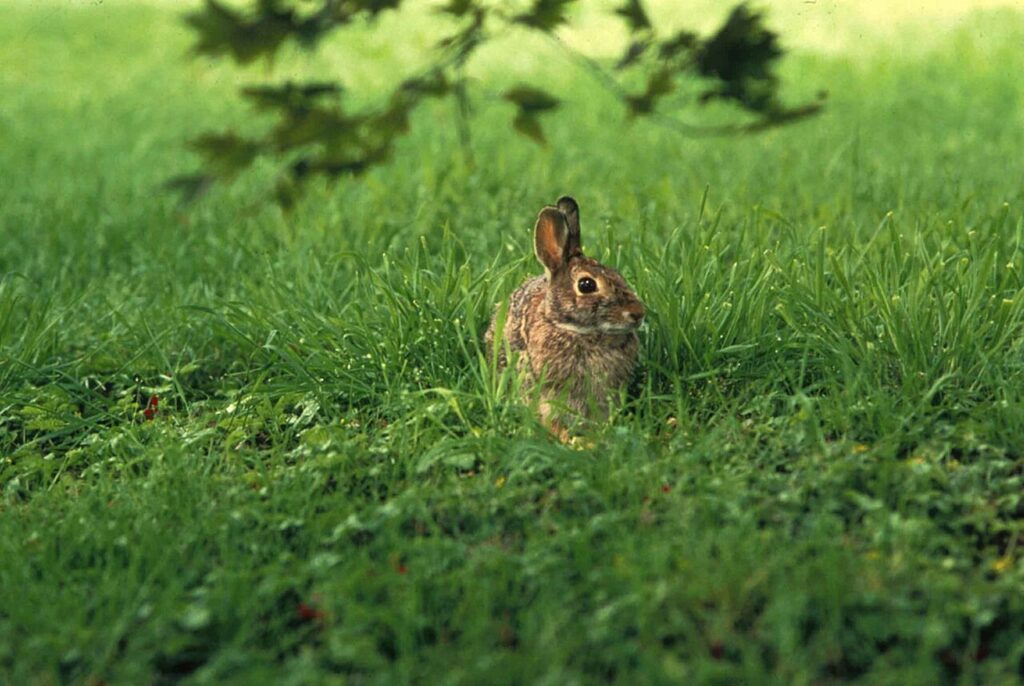
It is tempting to open the door and let your rabbit hop out, but rabbits experience the outdoors very differently from us. As prey animals, they are alert to sudden noises, shadows overhead and unfamiliar smells, and a frightened rabbit can bolt, squeeze through a small gap or injure itself trying to escape. Gardens and balconies also hold hazards indoor spaces usually do not: toxic plants, gaps in fencing, visiting cats and, on balconies, a serious fall.
None of this means outdoor time is a bad idea. Fresh air, natural light, grass to graze where it is safe, and space to run are genuinely enriching. The space simply has to be prepared to a rabbit’s standard of security — and you need to stay with your rabbit throughout.
Making a Balcony Safe for a Rabbit
A balcony is a contained space, which helps, but height makes its risks unforgiving. Work through the following before your rabbit sets a paw outside.
Secure the railings and every gap
The single most important job is closing every gap a rabbit could slip through or under. Balcony railings are designed for people, and the spaces between bars are often wide enough for a small or young rabbit to pass straight through. Line the inside of the railings with sturdy mesh or panels, firmly fixed so they cannot be pushed aside, and check the gap at floor level too. If a rabbit can get its head through a gap, it can usually get its body through.
Remove the fall and climbing risks
Rabbits explore with their feet and teeth, and many will hop onto plant pots, storage boxes or low furniture. Anything climbable near the edge gives a rabbit height — and a route over the barrier. Keep furniture and pots away from the railings, and keep the balcony door closed or watched, so your rabbit cannot slip inside unnoticed.
Shade, shelter and flooring
A balcony in direct sun can become very hot, very quickly, and rabbits overheat easily. Make sure part of the balcony is always in shade — from the building itself, a fixed cover or a secure shade cloth — and add a hiding place such as a cardboard box or small shelter where your rabbit can retreat. Check the floor too: hot paving can burn paws, and slippery tiles make running awkward. A washable mat or untreated grass turf gives better footing. Balconies can also be windy even on a calm day, and wind chills a rabbit and carries frightening noises, so skip balcony time when the wind is strong or rain is blowing in.
Garden Safety for Rabbits
A garden offers more space and the pleasure of grazing, but it is harder to control than a balcony. Treat the whole area as a security project.
Fencing that keeps rabbits in — and diggers honest
Check every boundary fence and gate for holes, loose boards and gaps at ground level, and remember that rabbits dig. A determined rabbit can excavate under a fence fast, so inspect the base of fencing regularly and consider burying mesh below ground level along vulnerable stretches, or laying mesh or slabs flat at the fence line. Gates should latch securely with no gap underneath. Walk the boundary before every session — fences change, and other animals dig too.
Use a secure run within the garden
Unless your garden is escape-proof, the safest approach is a sturdy exercise run inside the garden: solid construction, a securely fastened lid, and mesh small enough that your rabbit cannot get out and nothing can reach in. A lid matters — protection from above is as important as fencing at the sides. Move the run to fresh, untreated grass regularly, and peg or weigh it down so it cannot be tipped.
Predators: the risk you cannot see
Cats, dogs, foxes and birds of prey all pose a threat to rabbits, and the danger is not only a direct attack. A rabbit can be fatally frightened by a predator it cannot escape from, even through mesh. This is why outdoor access must never be unsupervised: your presence deters most predators and means you can intervene instantly. If neighbouring dogs bark at the fence, or a cat regularly crosses your garden, use a covered run in a quiet spot — or keep outdoor time to a secure balcony. Keep your own other pets away from your rabbit in the garden unless introductions have been carefully managed; see our guide to indoor vs outdoor rabbits for more.
Plants, lawns and chemicals
Many common garden plants are harmful to rabbits, and it is not realistic to memorise a complete list. The safe approach is general caution: only allow grazing on grass you are certain is untreated, fence off ornamental beds and plants you cannot identify as safe, and never let your rabbit graze where weedkillers, slug pellets, fertilisers or other treatments have been used. If you are unsure whether a treatment has worn off, treat the area as off-limits. Our guide to foods rabbits should never eat explains why this caution matters at feeding time too.
Supervision: The Rule That Makes Everything Else Work
Every safeguard in this article depends on one thing: you, present and attentive. Supervision does not mean sitting nearby with the door open while you work inside — it means being in the space with your rabbit, able to reach them within seconds. Predators strike quickly, weather changes quickly, and a rabbit can find the one gap you missed. If you need to go in, your rabbit comes with you. A secure carrier makes these transitions calm; see our guide to the best rabbit travel carrier.
Introducing Outdoor Time Gradually
A rabbit taken straight from a quiet living room to a wide lawn may be overwhelmed. Build up slowly:
- Start with the carrier. Let your rabbit get used to the short trip outdoors in their carrier, with familiar-smelling bedding inside.
- Keep the first sessions short. Ten or fifteen minutes in a secure run is plenty. Let your rabbit explore, graze and retreat to their hideaway as they choose.
- Provide the familiar. Bring out a hiding place, a handful of hay and water, so the new space contains known comforts.
- Watch body language. A rabbit that eats, explores and flops is coping well. One that stays frozen, thumps or hides throughout is asking to go back in — take them.
- Lengthen sessions gradually over days and weeks, always ending before your rabbit is tired, hot, cold or fed up.

Weather Limits for Outdoor Time
Weather decides whether outdoor time happens at all. Rabbits are far more vulnerable to heat than to cold, so on hot days the safest choice is usually to skip outdoor time entirely — a sunny garden or balcony can be too warm even when it feels pleasant to you. Our guide on how to keep a rabbit cool explains why heat is so dangerous. Choose mild, dry, calm conditions: avoid strong wind, heavy rain, thunderstorms and very cold, damp days, and ensure shade throughout. If your rabbit becomes wet, bring them in and dry them gently — a damp rabbit chills quickly.
Bringing Your Rabbit Back Indoors
End every session calmly. Let your rabbit hop into their carrier voluntarily where possible, or lift them securely with support under the chest and hindquarters — never chase a rabbit around a run, which is stressful and can cause injury. Back indoors, offer water and hay and let your rabbit settle. Do a quick check of paws, underside, ears and coat for anything picked up outdoors, so problems are spotted early.
Safety Checklist Before Every Outdoor Session
| Check | What to confirm |
|---|---|
| Boundaries | Railings lined and gaps closed, or fences and gates secure with no digging routes out |
| Run and lid | Run solid, lid fastened, mesh intact, run pegged or weighted down |
| Shade and shelter | Continuous shade plus a hiding place your rabbit already knows |
| Ground | Grass untreated and safe; no chemicals or unidentified plants within reach |
| Weather | Mild, dry and calm — not hot, windy, stormy or very cold and damp |
| Essentials | Water and hay provided; carrier ready for the trip in and out |
| Supervision | You present and watching for the whole session |
Conclusion
A rabbit safe balcony or garden is not a complicated project, but it is a thorough one: closed gaps, fencing, a lidded run, shade, untreated grass only, and — above all — you there for every minute. Introduce outdoor time in short, calm sessions, respect the weather, and bring your rabbit back in at the first sign of stress. Done that way, outdoor time becomes a pleasure for your rabbit, not a risk. Next step: walk your boundary this week and list every gap and hazard you find.
Frequently Asked Questions
Can I leave my rabbit alone on the balcony for a few minutes?
No. Outdoor access should always be supervised. A rabbit can find a gap, be frightened by a bird or noise, or overheat in sun faster than you would expect. If you go inside, your rabbit comes too.
How do I stop my rabbit digging under the garden fence?
Inspect the fence base regularly, repair gaps promptly, and add a barrier such as mesh buried below ground level or laid flat along the fence line. A secure run within the garden removes the risk altogether for most rabbits.
Is it safe for my rabbit to eat grass from the lawn?
Only if the grass is untreated. Never allow grazing where weedkillers, fertilisers, slug pellets or other treatments have been used, and if you are not certain, keep your rabbit off it. Introduce grazing gradually, as sudden large amounts of rich grass can upset digestion.
What weather is too hot for outdoor time?
Rabbits struggle with heat far more than cold, so on hot days — especially sunny, still ones — skip outdoor time and keep your rabbit somewhere cool indoors. Always provide shade and water for any session, and bring your rabbit in if they seem lethargic.
Do I need a run if my garden is fully fenced?
For most gardens, yes. A lidded run protects against predators from above and the sides and prevents digging escapes, which even good fencing cannot always guarantee. It also lets you control exactly which patch of grass your rabbit grazes.
Related Guides on RabbitCare
- Indoor vs. Outdoor Rabbits: Which Is Right for Your Rabbit?
- How to Keep a Rabbit Cool in Hot Weather
- Choosing the Best Rabbit Travel Carrier
References
- House Rabbit Society (rabbit.org) — guidance on rabbit housing, outdoor safety and enrichment.
- RSPCA — rabbit welfare guidance, including outdoor housing and protection from predators.