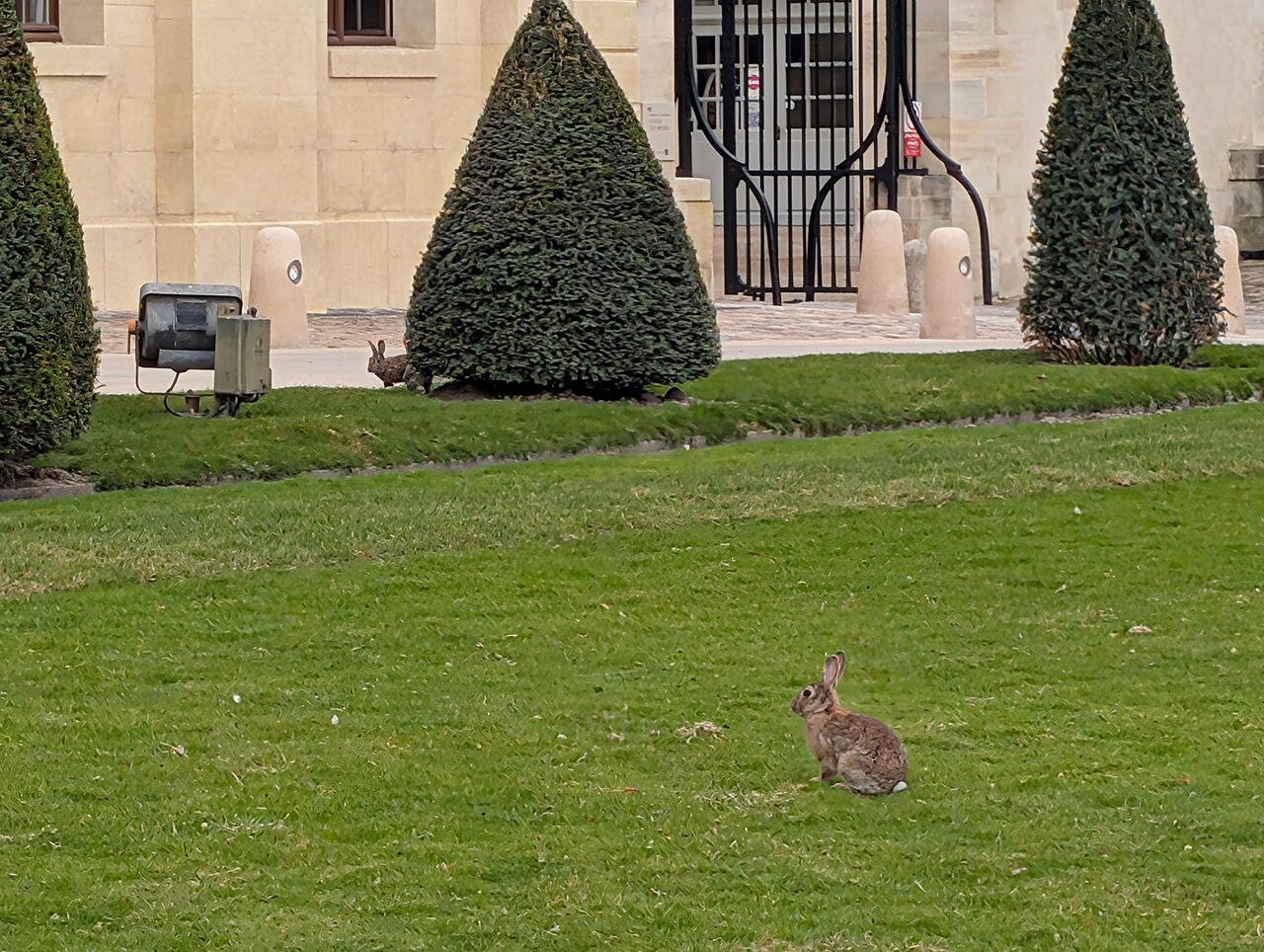
It can be upsetting when an animal you care for turns on you, so let us start with the reassurance: rabbits are not spiteful. If you are asking why does my rabbit bite me, the honest answer is that biting is almost always communication — usually of fear, pain or a defended territory — and it is typically the last signal in a series of smaller ones that went unnoticed. A rabbit bites when quieter warnings such as freezing, thumping, grunting or lunging have failed. Work through the likely causes below, rule out pain with your vet first, and most biting can be reduced or stopped by changing how the situation looks from your rabbit’s side.
Nips Are Not True Bites
A nip is a pinch with the front teeth — a tug on your clothing, a small nip to a hand or an ankle — and it usually carries a social message: “move, please”, “that is enough stroking”, or “pay attention to me”. Some nips are grooming nibbles that simply overshoot. Nips rarely break the skin. A true bite is fast, deliberate and can draw blood, and it is driven by stronger feelings — fear, pain, or determination to defend space. Most “biting” complaints turn out to be nips with a simple message attached, so be honest about which you are dealing with.
The Warnings That Come First
Rabbits would almost always rather not bite. Before teeth come into it, a rabbit commonly signals with body language: ears pinned back, body tensing or crouching low, a grunt or growl, a lunge or “boxing” with the front paws, thumping, or pointedly turning away. Each of these is a sentence in rabbit language meaning “stop” or “back off”. When those signals are respected, biting usually never develops. When they are ignored — hands keep coming, the rabbit is cornered in the enclosure — teeth become the remaining option. Learning to read these warnings, covered in our guide to rabbit body language, is the most effective anti-biting skill an owner can learn.
Fear and Startle: The Commonest Cause
Rabbits are prey animals with eyes positioned for a wide field of view — and a blind spot directly in front of the nose. A hand arriving suddenly in that blind spot, especially from above, which is the direction predators come from, can trigger an instinctive bite before the rabbit has even worked out it is you. Hands that smell of food are another classic: a short-sighted rabbit lunges for what smells like a treat and finds a finger instead. Reduce fear bites by approaching from the side at your rabbit’s level, speaking before you touch, letting the rabbit sniff you first, and washing strong food smells off your hands. Never grab at a rabbit or corner one who is trying to retreat.
Rule Out Pain and Illness First
Any rabbit who becomes suddenly aggressive should be seen by a vet before you work on behaviour. Dental pain is a frequent hidden culprit — a rabbit with sore teeth or sharp spurs may bite when their face is approached — but gut pain, arthritis, skin problems and many other conditions can lower a rabbit’s tolerance dramatically. A gentle rabbit who starts biting is telling you something has changed, and pain is the first thing to rule out. Our guide to signs of pain in rabbits lists the subtle changes to look for. Treat the medical cause, and the behaviour often improves along with it.
Territorial Biting in the Enclosure
Some rabbits defend their enclosure fiercely, lunging and biting at hands that reach in to clean, refill the water or rearrange the furniture. From the rabbit’s point of view, the enclosure is their burrow and your hand is an intruder in it. This behaviour is linked to hormones and is most intense in unneutered rabbits — particularly females defending a nest area, including during phantom pregnancies. Neutering usually softens territorial behaviour considerably; our guide to rabbit spaying and neutering covers the behaviour side as well as the health benefits. Management helps: clean and rearrange while your rabbit is out exercising, let them leave the enclosure on their own rather than being lifted out, and avoid reaching across a rabbit who is guarding their space.
Frustration and Mishandling
Being picked up awkwardly, held when desperate to get down, groomed past the point of patience, chased around the room at bedtime, or smelling another rabbit on your hands can all tip a rabbit into a frustrated bite. Rabbits also sometimes bite when over-stimulated by stroking: a long petting session can flip from pleasure to irritation, often announced by sudden stillness — then a nip. Keep interactions shorter than you think necessary, let your rabbit be the one to end them, and never pursue a rabbit who has chosen to leave. A bite that ends an unwanted interaction is, from the rabbit’s perspective, communication that worked — which is why listening earlier matters.
What to Do in the Moment
- Try not to yank your hand away. It is commonly advised that a sudden pull can tear the skin further and startle the rabbit into biting again; freezing for a moment, then withdrawing slowly once the rabbit lets go, is usually safer.
- A short, high “eep” is often suggested. The idea is that it mimics the sound a rabbit makes when hurt and can startle a biting rabbit into releasing. Owners report mixed results, so treat it as worth one try rather than a reliable tool.
- End the interaction calmly. Put your rabbit down gently or step away, without drama, shouting or retaliation, and give them space.
- Look after the bite. Wash any bite that breaks the skin thoroughly with soap and water, and seek medical advice promptly for deep bites, or if redness or swelling develops. A rabbit bite can become infected and should not be shrugged off.
Never Punish a Rabbit
Shouting, spraying with water, tapping the nose or trying to “show them who is boss” teaches a rabbit only one lesson: that humans are frightening and unpredictable. That makes fear biting worse, not better. Rabbits do not connect punishment with their behaviour in the way owners hope; they connect it with you. Every calm, predictable, rewarding interaction is a brick in the opposite wall — trust. If you feel frustrated after being bitten, walk away and make a cup of tea.
Rebuilding Trust: A Calm Plan
Once pain has been ruled out or treated, rebuild the relationship in small, pressure-free steps:
- Start at a distance. Sit near the enclosure reading, ignoring your rabbit, and let them watch you being boring and safe.
- Hand-feed favourite foods — first through the bars, then with the door open and your hand resting still inside. Let the rabbit come to the food rather than pushing it towards them.
- Let your rabbit set the pace. Retreat is always allowed; never follow a rabbit who moves away. Freedom to leave is what makes staying feel safe.
- Touch briefly. A second or two of stroking on the forehead, a spot most rabbits accept, then stop. Build up slowly, always ending before your rabbit wants it to end.
- Handle on their terms. Sit on the floor and let your rabbit climb onto your lap rather than being lifted into it, and put them down the moment they ask.
Expect this to take days to weeks rather than hours. Most fear biters improve markedly once pain is excluded and the pressure comes off.
Children and Biting
Most bites to children are startle or blind-spot bites, and they are largely preventable. Children should be supervised around rabbits at all times, sit on the floor rather than carrying a rabbit around, and be taught to announce themselves, approach from the side and let the rabbit come to them. Fingers should never be poked through the bars or waved in front of a rabbit’s face, especially around feeding time. A rabbit who has bitten a child is not a “bad” rabbit — it is a frightened one — but an adult should manage every interaction until trust and handling habits improve.
When to Get Professional Help
If biting continues after a clean bill of health from the vet and several patient weeks of trust work, or if anyone at home is being injured, ask your vet to refer you to a qualified animal behaviourist with rabbit experience. Sudden severe aggression, or aggression that appears alongside appetite or weight loss or any other behaviour change, should go back to the vet first — behaviour is a health symptom too, and it deserves the same seriousness as a limp or a lump.
Conclusion
A biting rabbit is a communicating rabbit. Work out whether you are dealing with nips or true bites, learn the warnings that come first, approach from the side so the blind spot in front of the nose does not set you both up, and rule out pain with your vet before anything else. Manage territory sensibly, never punish, and rebuild trust in small steps your rabbit controls. Most biting fades once the rabbit learns that quieter signals work — because somebody is finally listening to them.
Frequently Asked Questions
Why does my rabbit bite me when I put my hand in the enclosure?
This is usually territorial behaviour: the enclosure is your rabbit’s burrow, and a hand reaching in reads as an intruder, especially to an unneutered rabbit. Clean and rearrange while your rabbit is out exercising, let them exit on their own, and discuss neutering with your vet if the guarding is intense.
Why does my rabbit bite me when I pick them up?
Most likely fear or discomfort. Being lifted is what predators do, and an unsupported or awkward hold makes it worse. Check your technique — support the hindquarters fully — and if your rabbit still objects, respect it: many rabbits simply prefer floor-level interaction, and forcing lifts risks both a bite and a back injury.
Will neutering stop my rabbit biting?
It often helps where hormones are driving the behaviour, such as territorial guarding and phantom-pregnancy defensiveness in females. It will not fix biting rooted in pain or fear, which is why a vet check and calm handling work should come first; neutering is best seen as one part of the answer.
What should I do if a rabbit bite breaks the skin?
Wash the wound thoroughly with soap and running water straight away, then keep an eye on it. Seek medical advice promptly for deep bites, bites that keep bleeding, or any bite that becomes red, swollen or sore over the following day or two, as animal bites can become infected.
Why does my rabbit nip my clothes or ankles as I walk past?
Nipping like this is usually a request, not an attack: “notice me”, “move”, or “that was in my way”. It is common in confident house rabbits herding their humans. Acknowledge the message, offer some attention or a small treat at a better moment, and the nips usually stay gentle requests rather than escalating.
Related Guides on RabbitCare
References
- House Rabbit Society (rabbit.org) — guidance on rabbit behaviour, aggression and trust-building.
- RSPCA — advice on rabbit behaviour, handling and welfare.