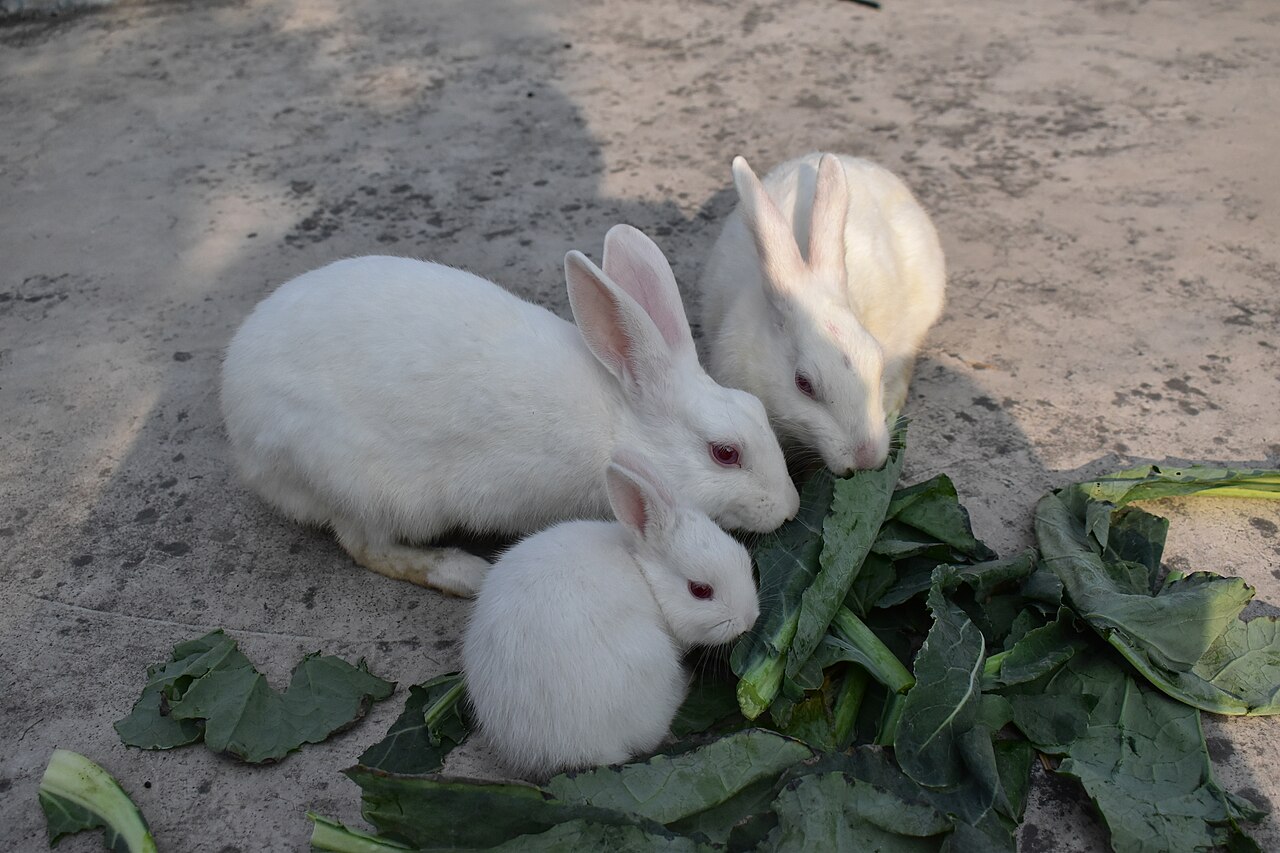
The most important foods rabbits cannot eat include chocolate, sweets, onion-family vegetables, processed human snacks, many garden and house plants, and lawn clippings. Some are toxic foods for rabbits; others are not poisons but can still cause serious digestive upset. This guide explains what to keep away from your rabbit, why these dangerous rabbit foods cause problems, and what to do in an emergency. The basic rule of rabbit food safety: if you are unsure a food is safe, do not feed it until you have checked.
Why Rabbit Food Safety Matters So Much
A rabbit’s digestion is specialised for a high-fibre, low-sugar diet of hay, grasses and leafy greens, and it is sensitive. Foods a person or a dog can eat may overwhelm a rabbit’s gut, and rabbits cannot vomit, so something swallowed cannot be brought back up. Prevention matters far more than cure.
Separate two kinds of risk. Some items below are considered toxic and are an emergency if eaten. Others are unsuitable rather than poisonous: too sugary, starchy, fatty or salty, with almost no fibre. Both belong on the never-feed list.
Chocolate, Sweets and Sugary Foods
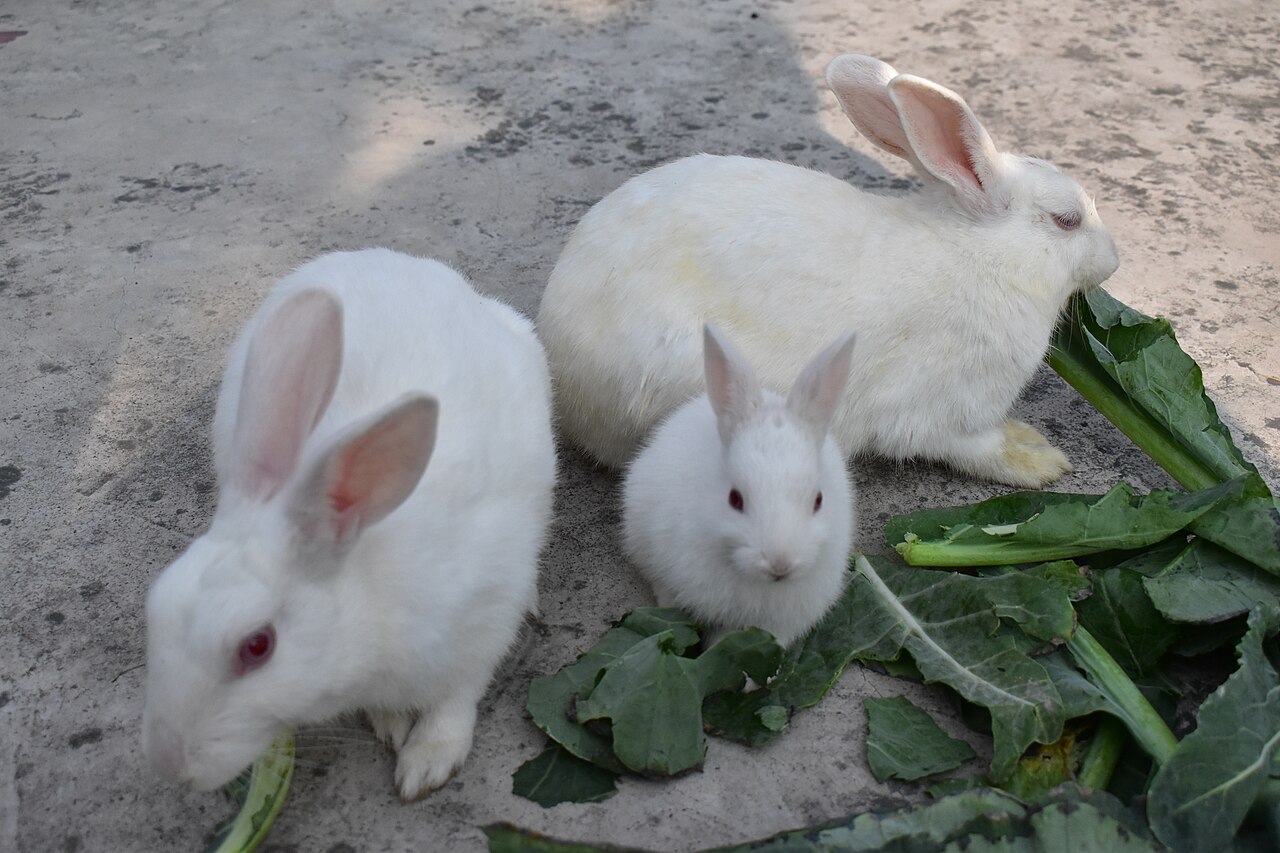
Chocolate should never be given to rabbits, in any amount. It contains substances toxic to many animals, and this applies to dark, milk and white chocolate, cocoa powder, and chocolate biscuits and cake. Keep it stored well out of reach.
Sweets are nearly as unwelcome. Boiled sweets, marshmallows, honey-based treats and sugary cereals overload the gut with sugar, which can lead to soft droppings and digestive upset. So-called yoghurt drops are still sweetened snacks, not food. A herb leaf is a far better reward.
- Chocolate and cocoa products
- Sweets, marshmallows and sweetened cereals
- Cake, biscuits and sweetened baked goods
- Yoghurt drops and honey-based treats
Onion-Family Foods and Strong Vegetables
Onions, garlic, leeks, chives and shallots all belong to the same family and are commonly listed among toxic foods for rabbits. Never feed them raw, cooked, dried or powdered. That matters because onion and garlic powder often hides in gravies, sauces and ready meals, none of which should ever be shared.
Raw potato, and green or sprouting potatoes, should not be fed either, and neither should potato leaves or stems. Rhubarb, particularly the leaves, is also commonly regarded as unsafe. If a vegetable is not on a trusted safe list, treat it as unsafe until checked.
Processed Human Snacks and Starchy Foods
Many dangerous rabbit foods are not obviously poisonous. They are everyday processed snacks: crisps, crackers, biscuits, bread, pasta, rice and popcorn. These are high in starch, salt and fat, and very low in useful fibre. They can displace hay, upset the gut and contribute to weight gain.
Cooked human food should stay off the menu too: pizza, chips, sandwiches, vegetables in sauce or butter, and leftovers of any kind. A rabbit’s variety should come from safe leafy greens and herbs, not the family’s plate.
- Bread, pasta, rice and other cooked starches
- Crisps, crackers, popcorn and salty snacks
- Breakfast cereals and cereal bars
- Any cooked, seasoned or processed leftovers
Dairy, Meat and Other Animals’ Food
Rabbits are strict herbivores, so animal products have no place in their diet. Milk, cheese, butter, yoghurt and ice cream should never be fed, and neither should meat, eggs or fish. Rich, fatty foods like these are unnatural for a rabbit and can cause digestive upset. The only milk a rabbit should have is its mother’s, as a baby.
Dog and cat food is formulated for carnivores and is far too rich in protein and fat, so feed it where a rabbit cannot reach the bowl. Bird seed, seed mixes, nuts and peanut butter are also unsuitable.
Seeds, Stones, Pips and Other Hidden Hazards
Some risks hide inside otherwise acceptable foods. Fruit stones and pips, such as cherry, peach and plum stones and apple pips, should always be removed and never fed. Offer only the flesh of suitable fruit, in tiny pieces, with stones, pips and cores taken out first.
Avocado is another food to avoid completely, as it is commonly listed as unsafe for rabbits and many other animals. Whole nuts, large seeds and hard dried beans or peas fall into the same category, and mouldy or stale food of any kind belongs in the bin, not the enclosure.
Unfamiliar Plants, Houseplants and Garden Plants
Plants are the hardest category for rabbit food safety: there are thousands of species and many look very similar. A number of common ornamental and wild plants are regarded as harmful to rabbits, including foxglove, lily, ivy, yew, ragwort, buttercups and bulb plants such as daffodils and tulips. The rule that matters: never feed a plant you cannot identify with certainty, and never assume a plant is safe because it grows in the garden.
Many houseplants are not safe for animals to chew, so keep them out of your rabbit’s area. Outdoors, supervise grazing on untreated grass, remove plants you cannot identify, and if you offer garden plants, use a trusted rabbit-specific safe list.
Why Lawn Clippings Are Risky
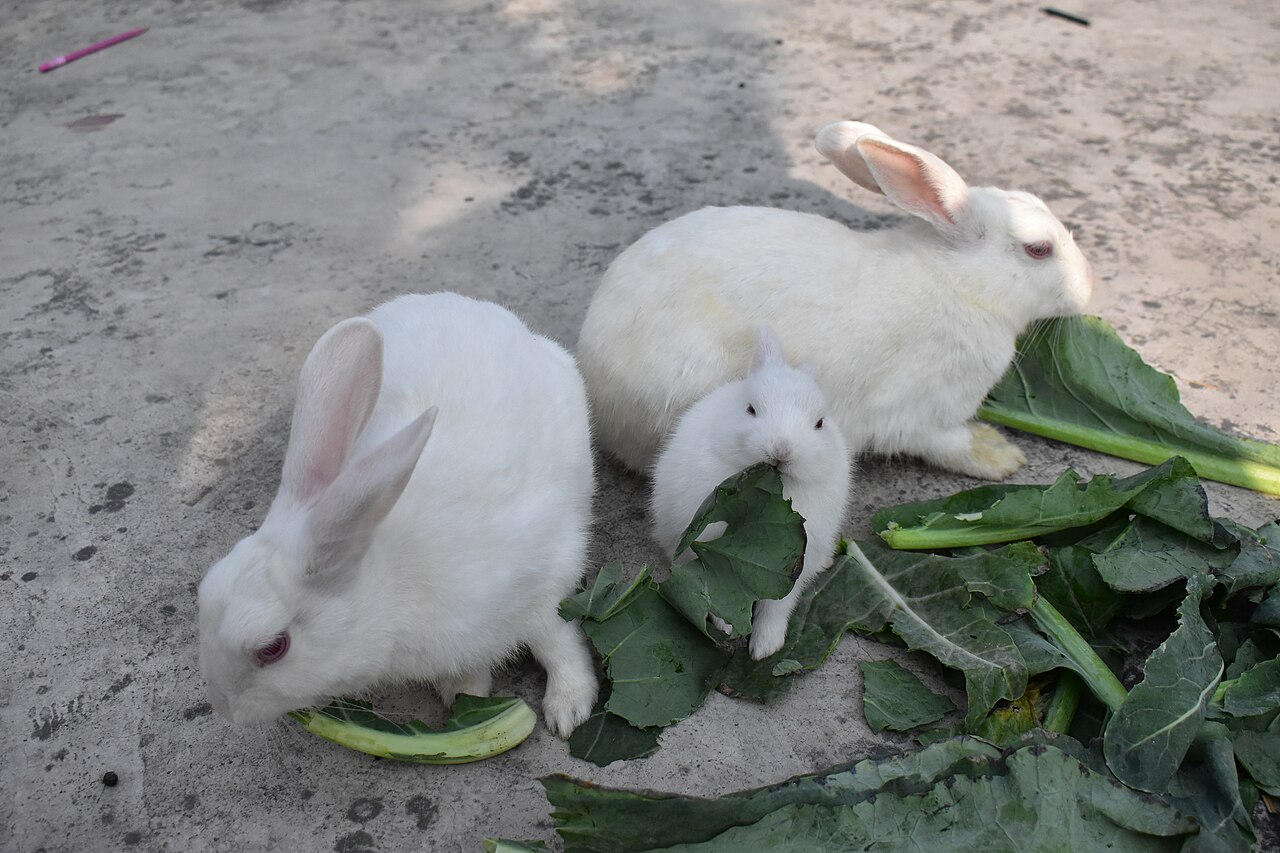
Lawn clippings surprise many owners, because fresh grass itself can be part of natural grazing. The problem is what happens once grass is cut and piled up. Clippings ferment quickly, especially when warm and damp, and fermented grass can cause digestive upset and bloating. A mower also collects far more than grass: weeds and garden plants you may not have noticed, including potentially harmful species, are chopped in too.
Clippings can also carry lawn treatments, weedkillers or fertilisers, plus traces of mower petrol or oil. Never feed lawn clippings, fresh, wilted or dried; let rabbits graze directly on untreated grass instead.
The Never-Feed List at a Glance
| Food group | Examples | Main concern |
|---|---|---|
| Toxic foods | Chocolate, onion family, avocado, rhubarb | Poisoning risk — treat as urgent if eaten |
| Sugary foods | Sweets, cake, yoghurt drops, sweet cereals | Sugar overload and digestive upset |
| Processed snacks | Crisps, crackers, bread, pasta, leftovers | Starch, salt and fat; almost no fibre |
| Animal products | Milk, cheese, meat, dog and cat food | Unnatural and far too rich for herbivores |
| Plants | Unidentified garden plants, houseplants | Many common species are harmful |
| Cut grass | Lawn clippings of any age | Fermentation, chemicals and mixed plants |
How to Check a Food Before You Feed It
- Use a trusted list. Check against guidance from a recognised source such as the House Rabbit Society or the RSPCA, or ask your veterinarian.
- Identify it fully. If you cannot name the plant or product with certainty, do not feed it.
- Check hidden ingredients. Prepared foods may contain onion powder, garlic, sugar or salt even when they look plain.
- Introduce safe foods slowly. Once a food is confirmed safe, offer a small amount first and watch appetite and droppings.
- When in doubt, leave it out. Missing one possible treat does a rabbit no harm. Guessing wrong can.
If Your Rabbit Eats Something Unsafe: Emergency Steps
If you think your rabbit has eaten a toxic food or an unidentified plant, treat it as urgent, even if your rabbit looks normal. Do not wait for symptoms, and do not try to treat the problem at home:
- Remove access. Move your rabbit away from the food and take away anything remaining.
- Note the details. Write down what was eaten if known, roughly how much, and roughly when. Keep the packaging, or photograph the plant, for the veterinarian.
- Contact a veterinarian immediately. Call a rabbit-experienced veterinarian straight away, or, if it is closed, its emergency service or an animal poison advice service.
- Do not induce vomiting. Rabbits cannot vomit, and trying to make them sick is dangerous.
- Do not give home treatments. Do not give charcoal, milk, salt, oils, human medicines or any remedy unless a veterinarian specifically instructs you to.
- Watch closely. Not eating, few or no droppings, unusual quietness, drooling, diarrhoea or a swollen belly are all reasons for emergency care.
- Transport safely. If advised to bring your rabbit in, use a secure, lined carrier with some hay, and bring your notes and the packaging or photo.
This article can help you act quickly, but it is not a diagnosis or a treatment plan. Only a veterinarian who knows what your rabbit ate can advise what happens next.
Prevention: Making Accidents Unlikely
Most accidents are preventable. Store chocolate, sweets, snacks and other pets’ food in closed cupboards a rabbit cannot reach. Move houseplants out of free-roam rooms, block kitchen bins, and keep handbags and shopping bags off the floor, as these often contain snacks or medicines.
Outdoors, check runs and grazing areas for new weeds and fallen leaves from garden plants, and never use weedkillers or lawn treatments where your rabbit grazes.
Conclusion
Good rabbit food safety rests on a short, firm list: no chocolate or sweets, no onion-family foods, no processed snacks or leftovers, no dairy, meat or other pets’ food, no unidentified plants, and no lawn clippings. Check every new food before offering it, keep unsafe foods out of reach, and if something does get eaten, contact a rabbit-experienced veterinarian immediately. Next step: check your kitchen and your rabbit’s roaming area today, and move anything on this list where your rabbit can never reach it.
Frequently Asked Questions
What should I do if my rabbit ate a small amount of chocolate?
Contact a rabbit-experienced veterinarian immediately, even if it was a small amount and your rabbit seems fine. Note roughly how much was eaten and when, keep the packaging, and follow the veterinarian’s advice. Do not wait for symptoms or try home treatment.
Can rabbits eat bread?
No. Bread is starchy and processed, with almost none of the long fibre rabbits need, and it can contribute to digestive upset and weight gain. The same applies to pasta, crackers and rice.
Why are lawn clippings dangerous when grass is natural food for rabbits?
Cut grass ferments quickly once piled up, which can cause digestive upset and bloating. Clippings may also contain lawn chemicals, traces of mower fuel and chopped garden plants. Grazing directly on untreated grass is different; clippings should never be offered.
Can rabbits eat onions or garlic?
No. Onions, garlic, leeks, chives and shallots should never be fed in any form, including cooked or as powders in prepared foods. If your rabbit has eaten any of them, contact a veterinarian promptly.
What if my rabbit ate a plant and I do not know what it was?
Treat it as urgent. Move your rabbit away from the plant, photograph it if you can do so quickly, and call a rabbit-experienced veterinarian or emergency service straight away. Note roughly when it was eaten and follow the advice given.
Related Guides on RabbitCare
Start with our published guide, What Do Rabbits Eat? A Complete Guide to a Healthy Rabbit Diet, for the safe, hay-first diet this list protects. These related guides will also link here once they are published:
- Can Rabbits Eat Carrots? Facts About Sugar, Portions and Safety
- Best Vegetables for Rabbits: Safe Leafy Greens and How to Serve Them
- Rabbit Feeding Schedule: What and When to Feed Your Bunny
References
- House Rabbit Society (rabbit.org) — guidance on safe and unsafe foods and a hay-based rabbit diet.
- RSPCA — rabbit diet, poisonous plants and general welfare guidance.