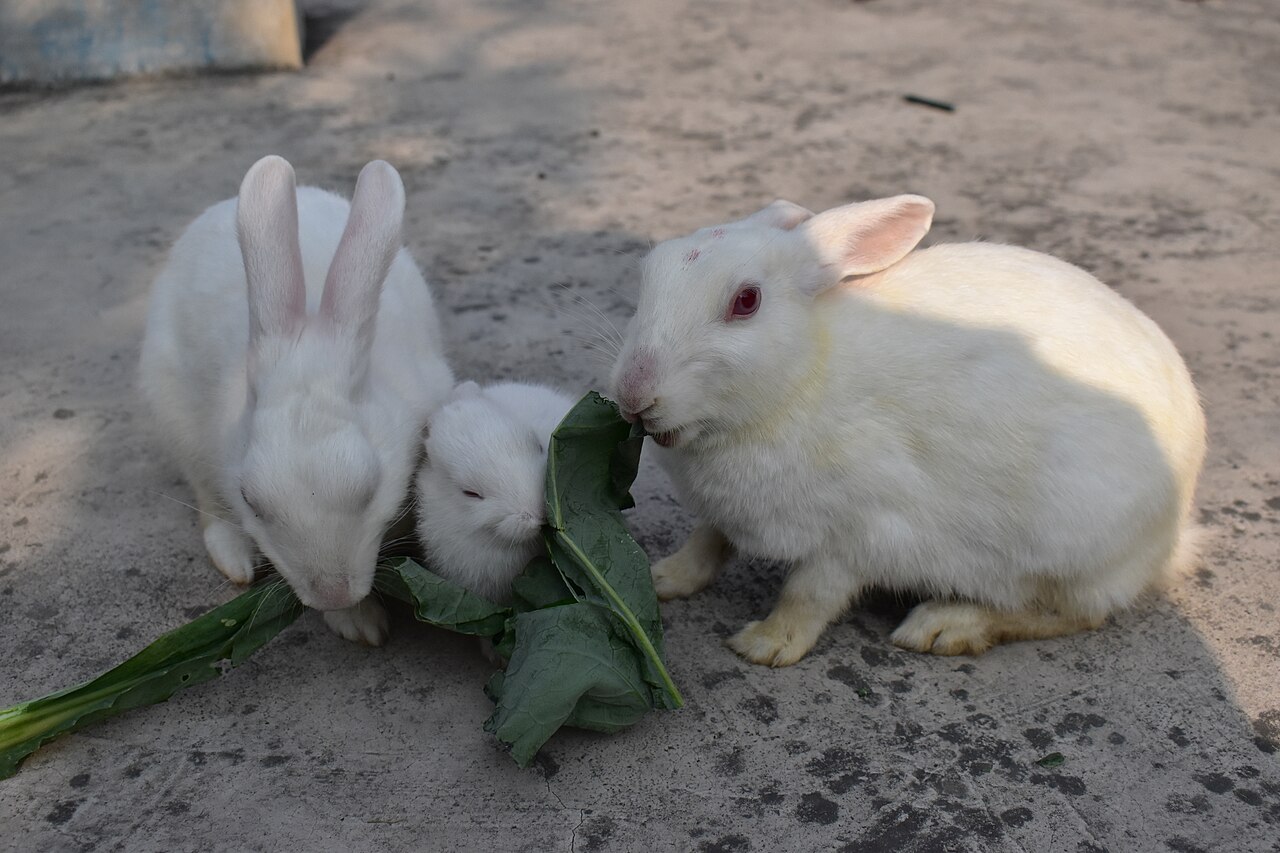
So, what do rabbits eat? A healthy rabbit diet is built mainly on unlimited grass hay, topped up each day with a handful of leafy greens, a small measured portion of plain pellets, and constant access to fresh water. Fruit and other treats should only be occasional extras. That simple pattern suits a rabbit’s digestion and teeth far better than a bowl of mixed food and carrots alone, which is the picture many people first imagine.
Rabbits are herbivores whose digestion is built for fibrous plant material. The proportions matter: hay does most of the work, greens add variety, and everything else supports that base.
The Natural Diet Behind a Healthy Rabbit Diet
Wild rabbits spend much of the day grazing on grasses and leafy plants, and a pet rabbit’s needs are very similar. Long strands of fibre keep the gut moving steadily, while chewing wears down teeth that grow continuously. A diet short on fibre, or heavy in starchy and sugary foods, supports neither process well.
Think of the rabbit food list in layers. Hay is the foundation, greens are the daily vegetable portion, pellets are a measured supplement rather than the main meal, and treats sit at the top, in very small amounts. Fresh water sits alongside everything.
Hay for Rabbits: The Food That Should Never Run Out
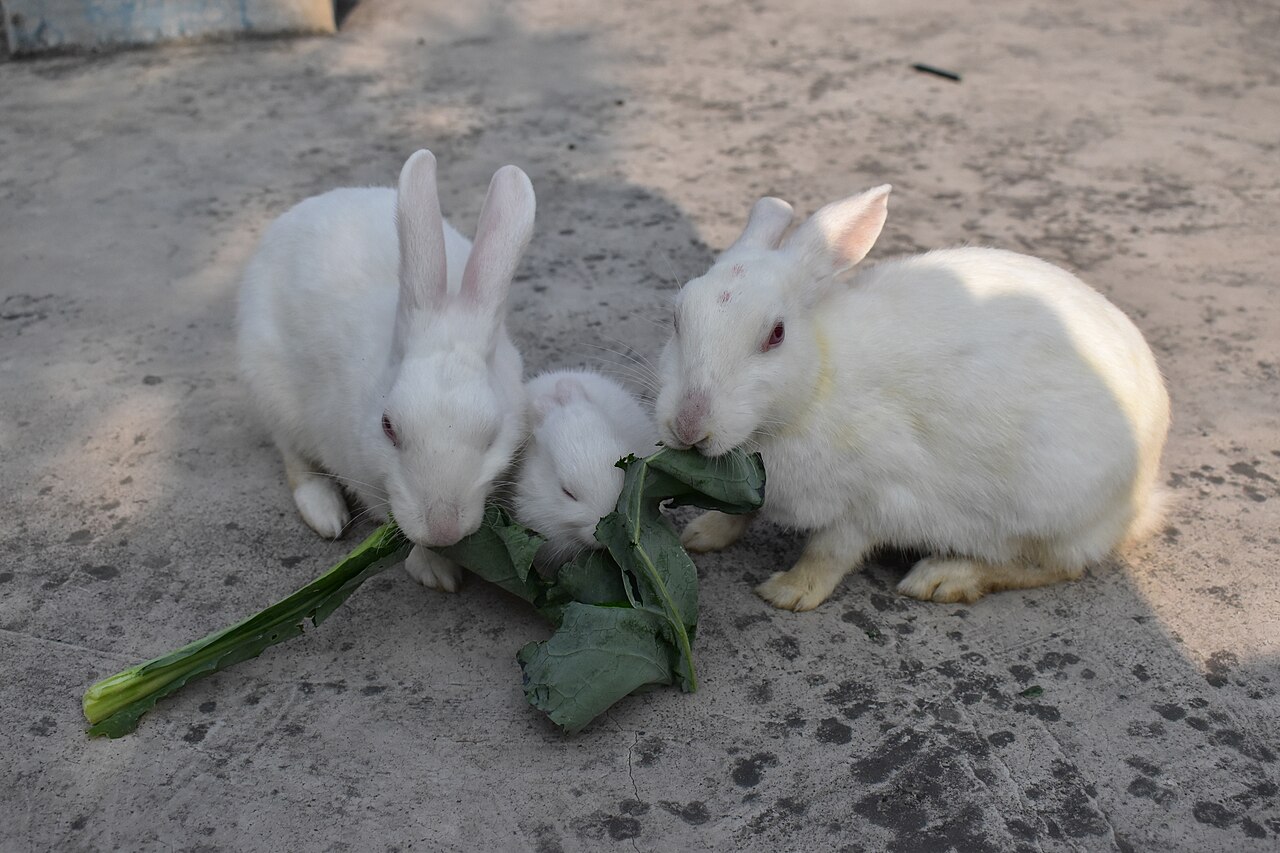
Unlimited hay for rabbits is the single most important rule in daily rabbit feeding. Your rabbit should be able to eat hay at any hour, day or night, and many rabbits will eat roughly their own body size in hay over a day. Keep a generous pile in a rack, a hay bag, or simply in a clean corner of the enclosure, and top it up often so it stays fresh and appealing.
Choosing and storing hay
Grass hays such as timothy, meadow, and orchard grass are the usual everyday choice for adult rabbits. Hay should smell sweet, look dry and largely dust-free, and be stored somewhere cool, dry, and well ventilated, away from damp. Discard any hay that is mouldy, musty, or wet. Alfalfa hay is richer and is generally used for young, growing rabbits rather than as the main hay for healthy adults, unless a veterinarian advises otherwise.
Making hay more appealing
- Offer hay in more than one place, including near the litter box, where many rabbits like to graze.
- Try a different grass hay or a fresh bag if the current batch is refused.
- Mix a small handful of dried herbs through the hay occasionally to encourage foraging.
- Check that pellets and treats are not so plentiful that hay seems unnecessary.
Leafy Greens: The Daily Vegetable Portion
Leafy greens are the second pillar of the diet. A varied handful each day adds water, fibre, and nutrients, and variety across the week is better than a large amount of one single plant.
Common choices include romaine lettuce, spring greens, kale, herbs such as coriander, parsley, and mint, and clean dandelion leaves from an area free of pesticides. Wash greens, introduce each new one gradually, and watch droppings and appetite over the following day. Iceberg lettuce is a poor choice because it is mostly water and offers little nutrition.
Other vegetables, such as bell pepper and courgette, can be offered in rotation rather than in large daily portions. If a new vegetable leads to soft droppings or reduced appetite, stop it, return to hay and familiar foods, and seek veterinary advice if it does not settle quickly.
Pellets: A Measured, Not a Mountain
Pellets help to fill nutritional gaps, but they are concentrated, so a little goes a long way. Choose a plain, high-fibre pellet rather than a colourful muesli-style mix. Mixes allow rabbits to pick out the sweet, starchy pieces and leave the rest, which leads to an unbalanced diet and can contribute to weight gain and dental problems.
Feed pellets in a measured amount suited to your rabbit’s size, age, and body condition, and keep it consistent. An egg-cup-sized serving is a common rough guide for an average adult, but needs vary, so follow your veterinarian’s guidance for your own rabbit. Store pellets sealed, cool, and dry.
Fresh Water, Available All Day
Every rabbit needs constant access to clean, fresh water. Many drink more readily from a heavy ceramic bowl than from a bottle, though some prefer a bottle, so offering both at first helps you learn your rabbit’s preference. Rinse bowls and bottles daily, check bottle spouts have not blocked, and replace the water every day — more often in warm weather.
Treats: Small, Occasional, and Never the Main Event
Rabbits do not need sugary commercial treats, yoghurt drops, or seed sticks, however they are marketed. A small piece of fruit, such as apple with seeds removed, a berry, or a slice of banana, makes a suitable occasional reward, as does a small piece of carrot. Keep portions tiny — roughly a teaspoon-to-tablespoon-sized piece for an average rabbit, and not every day — because excess sugar can upset the gut and add weight. Herbs often work just as well as rewards.
A Simple Rabbit Food List at a Glance
| Food | How often | Key point |
|---|---|---|
| Grass hay | Unlimited, always available | The foundation of the diet |
| Leafy greens and herbs | Daily, in variety | Introduce new greens gradually |
| Plain high-fibre pellets | Daily, measured | Not a free-choice food |
| Other vegetables | In rotation, modest amounts | Variety without overfeeding |
| Fruit and carrot | Occasionally, tiny pieces | Treats, not staple foods |
| Fresh water | Unlimited, always available | Replace and clean daily |
Daily checklist
- Hay pile refreshed and plentiful
- Water cleaned and refilled
- Measured pellets given, not topped up freely
- A handful of washed leafy greens offered
- Appetite, behaviour, and droppings looking normal
Feeding by Age: Young, Adult, and Older Rabbits
Young rabbits
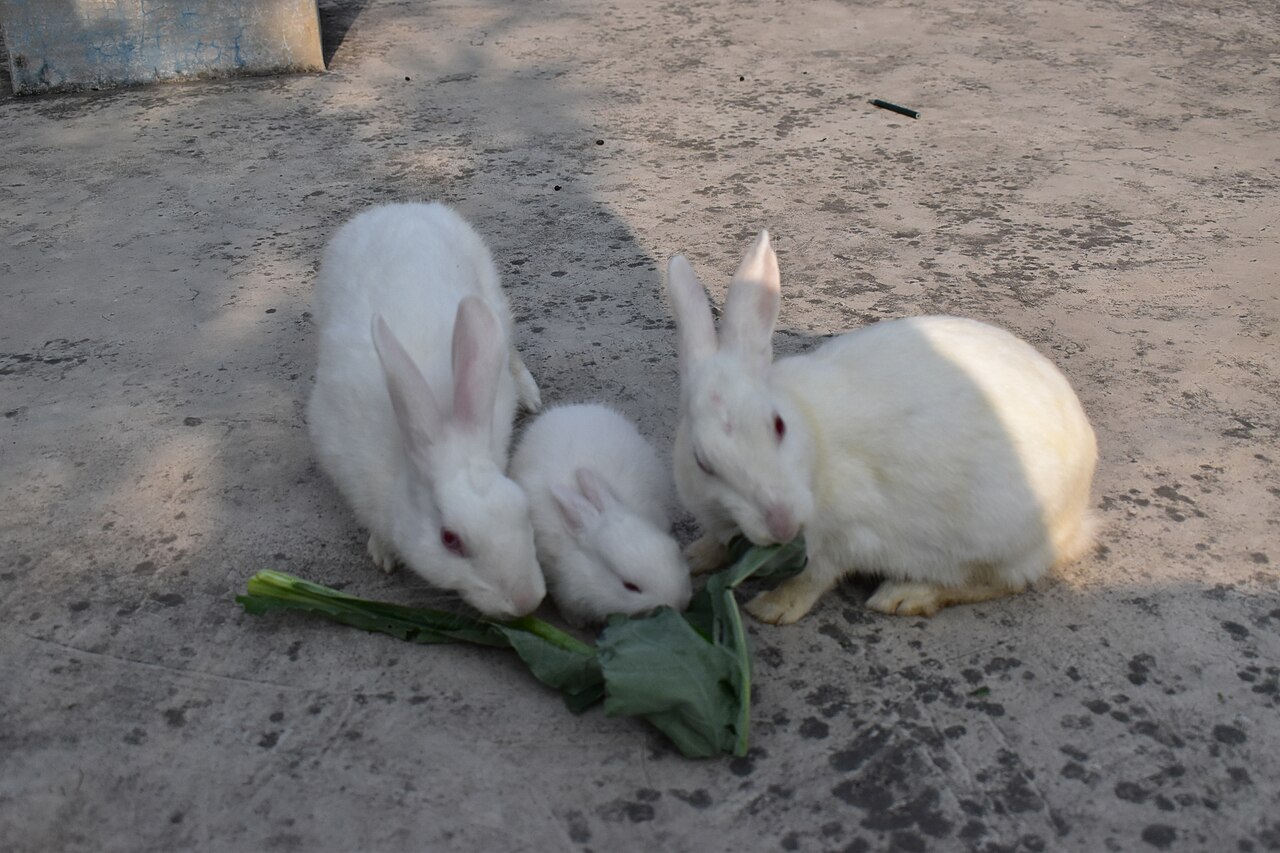
Baby rabbits rely on their mother’s milk at first, then gradually nibble hay and foods around them as they wean. Growing rabbits need a diet supporting rapid growth, and alfalfa hay and a junior pellet are often used at this stage. Young digestive systems are especially sensitive, so introduce new foods cautiously, one at a time, and ask a rabbit-experienced veterinarian if you are unsure.
Adult rabbits
For a healthy adult, the pattern described in this guide applies: unlimited grass hay, daily greens, measured pellets, water, and rare treats. Keep portions steady, monitor body condition by gently feeling the ribs and spine under the coat, and adjust treats downwards first if weight begins to creep up.
Older and less active rabbits
Senior rabbits may move less, lose or gain weight, or develop dental or joint problems that make eating harder. Hay within easy reach, greens chopped smaller, and regular weight checks can help. Any unexplained weight change deserves a veterinary check.
A Practical Daily Rabbit Feeding Routine
Consistency helps both you and your rabbit. In the morning, refresh the hay, change the water, give the measured pellets, and watch your rabbit eat: coming forward eagerly is useful information. Offer greens in one or two portions across the day, remove wilted leftovers, and top up hay again in the evening. Note appetite and droppings, as changes are often the first sign something is wrong.
How to Change Foods Gradually
Sudden diet changes are a common cause of digestive upset, so never swap foods overnight. Move to a new pellet over at least one to two weeks, mixing in a little more of the new food each few days. Introduce new greens one at a time, starting with a small leaf. Keep hay and water constant throughout — they are the stable base while everything else adjusts.
Common Diet Mistakes to Avoid
- Feeding muesli mixes. Selective feeding leaves the diet unbalanced.
- Too many pellets. A full bowl of pellets reduces hay eating, which is the opposite of what a rabbit needs.
- Carrots and fruit as staples. These are sugary treats, not everyday foods.
- Too little hay. Hay that runs out, or stale hay that stays untouched, is a problem to solve, not to ignore.
- Sudden changes. New foods given in quantity, all at once, often trigger digestive trouble.
- Unsafe foods. Chocolate, sweets, onion-family foods, raw potato, and processed human snacks should never be fed.
- Forgetting water. An empty, dirty, or blocked water source is an urgent practical problem.
Safety Notes: When to Contact a Veterinarian
Feeding is also a health check. Contact a rabbit-experienced veterinarian promptly if your rabbit stops eating, produces much smaller droppings or none at all, seems hunched or quiet, grinds its teeth, drools, or shows a swollen belly. Rabbits can deteriorate quickly when they stop eating, so do not wait days to see if it passes, and do not try to diagnose or treat it yourself. If unsure whether a food is safe, do not feed it until you have checked a reliable source or asked your veterinarian.
Conclusion
A good rabbit diet need not be complicated: unlimited grass hay, daily leafy greens, a small measured serving of plain pellets, constant fresh water, and treats kept rare and tiny. Build changes in gradually, keep an eye on appetite and droppings, and you will have a routine that supports digestion, teeth, and weight. Next step: review your rabbit’s bowl and enclosure today, and adjust the proportions towards hay first.
Frequently Asked Questions
Can rabbits live on pellets alone?
No. Pellets lack the long fibre and chewing action that hay provides, and a pellet-only diet does not support healthy digestion or dental wear. Pellets are a supplement to a hay-based diet, not a replacement for it.
How much hay should a rabbit eat each day?
Hay should be unlimited, and many rabbits eat roughly a bundle similar to their own body size each day. The exact amount varies, but hay should always be available and should make up most of what your rabbit eats.
Are carrots good for rabbits?
Carrots are safe in very small amounts as an occasional treat, but they are sugary and should not be a staple food. Leafy carrot tops, washed and introduced gradually, are a more suitable regular green.
What should I do if my rabbit stops eating hay?
Check the hay is fresh, try a different grass hay, and make sure pellets and treats are not too plentiful. If appetite or droppings are reduced, contact a rabbit-experienced veterinarian promptly, as this can become serious quickly.
Can I feed my rabbit plants from the garden?
Only if you can identify the plant with certainty, know it is safe for rabbits, and are sure it has not been treated with pesticides or weedkillers. If there is any doubt at all, do not feed it.
Related Guides on RabbitCare
These related guides will link here once they are published:
- How Much Hay Does a Rabbit Need Every Day?
- Best Vegetables for Rabbits: Safe Leafy Greens and How to Serve Them
- Foods Rabbits Should Never Eat: A Practical Safety List
- Rabbit Feeding Schedule: What and When to Feed Your Bunny
References
- House Rabbit Society (rabbit.org) — guidance on hay-based diets and general rabbit care.
- RSPCA — rabbit diet and welfare guidance.