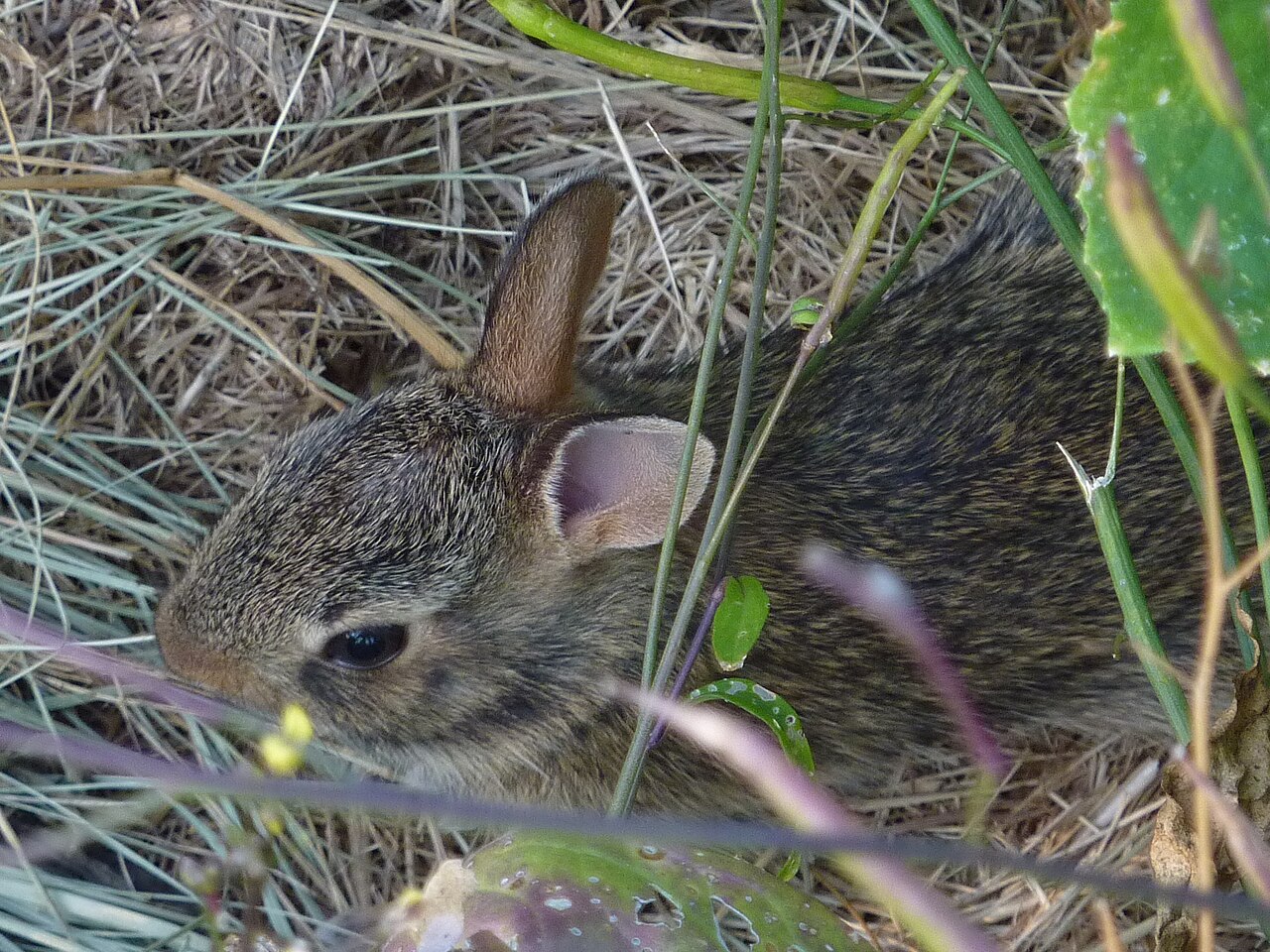
The best vegetables for rabbits are leafy greens: romaine lettuce, spring greens, kale, and fresh herbs such as coriander, parsley, and mint are all popular everyday choices for a healthy adult rabbit. Serve a varied handful each day, washed and introduced gradually, alongside unlimited hay. Other vegetables, such as bell pepper, courgette, and broccoli, are better offered in smaller amounts in rotation, while starchy and sugary vegetables should stay occasional.
Greens do not replace hay, which provides the long fibre and chewing a rabbit needs most. Think of leafy greens as the daily salad on top of that hay-based foundation.
What Makes a Vegetable Suitable for Rabbits?
A good everyday green is leafy, fibrous, and low in sugar and starch. Dark green leaves generally offer more nutrition than pale, watery ones, which is why iceberg lettuce is a poor choice: it fills a bowl without contributing much. Variety also matters — mixing several safe greens across the week is more balanced than feeding one green in large amounts every day.
Safe greens for rabbits also need to be safe in a practical sense: fresh, free from mould, washed, and — if garden-picked — collected only from areas not sprayed with pesticides or weedkillers. If you cannot identify a plant with certainty, leave it out.
Rabbit Vegetables List: Everyday Leafy Greens
The greens below form the backbone of a leafy greens rabbit diet plan. Not every rabbit will enjoy every one, and that is fine. Aim to offer a few different types across the week rather than relying on a single favourite.
Reliable leafy staples
- Romaine lettuce. A crisp, dark leafy lettuce most rabbits accept readily — a better choice than pale iceberg.
- Spring greens. Loose leafy cabbage leaves, widely available and usually well tolerated in rotation.
- Kale. A sturdy dark green many rabbits love; like other brassicas, it suits rotation rather than very large daily piles.
- Chard and pak choi. Leafy, mild, and useful for variety.
- Carrot tops. The leafy tops, not the root, make a good regular green.
- Dandelion leaves. A traditional favourite, if picked from a clean, unsprayed area and identified with certainty.
Herbs: small leaves, big interest
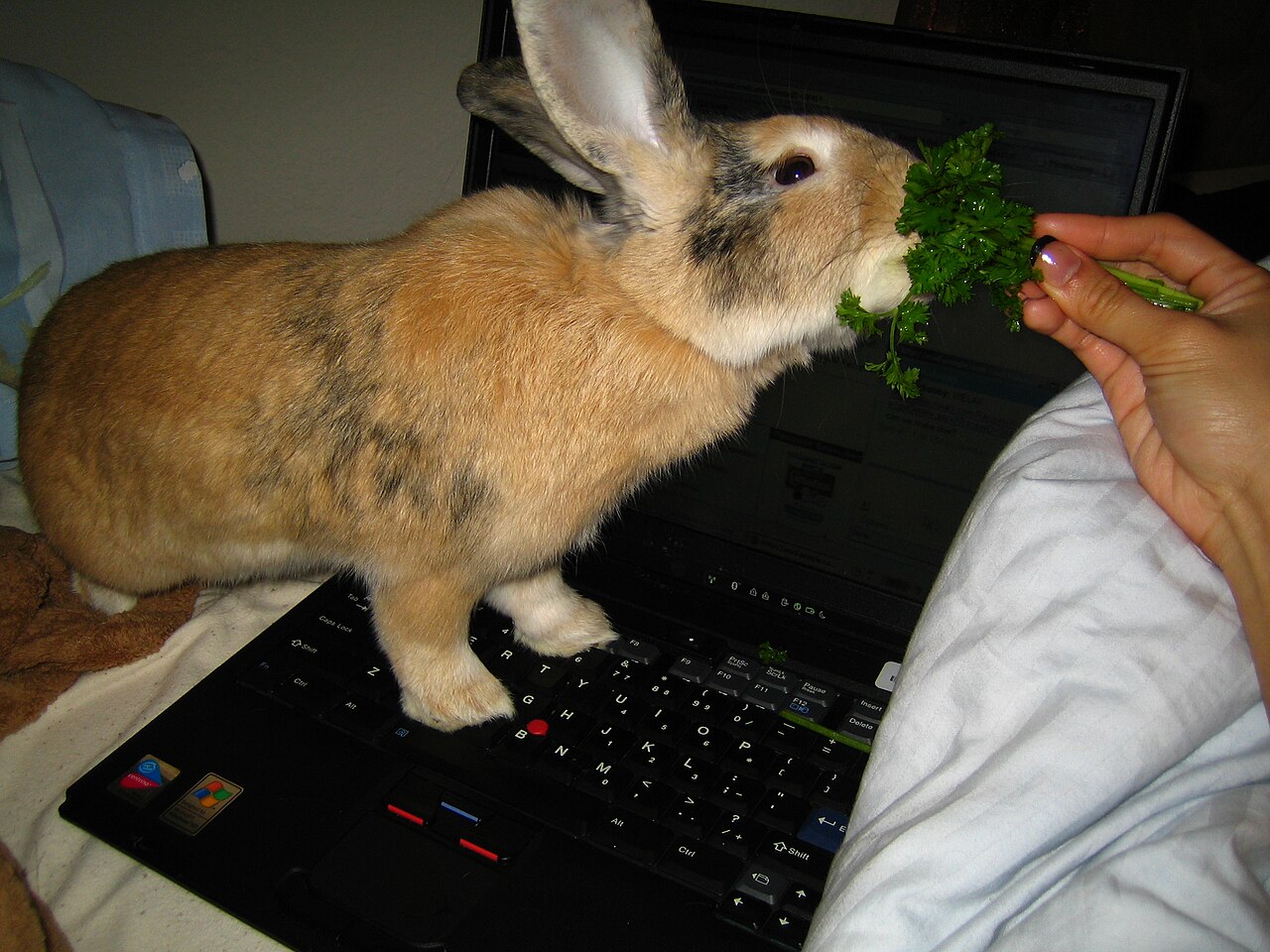
Herbs are often the most enthusiastically eaten part of the bowl. Coriander, parsley, mint, dill, and basil can all be offered as part of the daily greens, and their strong scents can encourage a hesitant rabbit to explore new foods. A different herb each day keeps the mix interesting without changing the whole menu at once.
Occasional Vegetables: For Rotation, Not Every Day
Some safe vegetables are better kept as supporting players. They are not everyday staples, usually because they are more likely to cause gas in some rabbits, or because they are sweeter or starchier than leafy greens.
- Bell peppers. Crunchy and popular; remove seeds and core, and serve modest pieces.
- Courgette. Mild and soft, in small amounts in rotation.
- Broccoli and cauliflower. Offer sparingly at first, as brassicas can cause gas in some rabbits.
- Celery. Cut into short pieces so the long strings are less of a nuisance.
- Carrot and parsnip. Sweet roots — treat them as treats in tiny pieces, not daily vegetables.
- Peas and sweetcorn. Starchy and sugary; keep rare and very small, or skip them.
Everyday vs. occasional at a glance
| Type | Examples | How to serve |
|---|---|---|
| Everyday leafy greens | Romaine, spring greens, kale, herbs, carrot tops | A varied handful daily, in rotation |
| Occasional vegetables | Bell pepper, courgette, broccoli, celery | Small amounts, a few times in the weekly rotation |
| Treat vegetables | Carrot, parsnip, peas, sweetcorn | Tiny pieces, rarely — sugar and starch add up |
| Avoid | Potato, onion-family vegetables, rhubarb, iceberg as a staple | Do not feed; choose leafy greens instead |
Vegetables and Plants to Avoid
Some familiar foods should never be fed. Potatoes and other starchy nightshade parts, onion, garlic, leeks and other onion-family vegetables, and rhubarb are all unsuitable for rabbits. Avocado is also not a rabbit food. Processed human foods, bread, crackers, and sugary snacks belong on the avoid list as well.
Wild and garden plants need the same caution. Many ornamental plants are unsafe, and lawn clippings ferment quickly and may contain garden chemicals. When in doubt, do not feed it — check a reliable source or ask a veterinarian first.
How Much? Portion Awareness Without Obsession
For a healthy adult rabbit, a generous handful or two of mixed leafy greens each day, scaled to the rabbit’s size, is a sensible everyday pattern. Greens should be a modest, varied portion of the day’s food — never so much that hay eating drops, and never dominated by one sugary or starchy item.
Watch the rabbit, not just the bowl. Steady weight, a good appetite for hay, and normal droppings suggest the balance is about right. If droppings become persistently soft after a particular green, remove that item and return to familiar foods. Young rabbits, and rabbits with health or dental problems, may need a different approach, so take individual advice from a rabbit-experienced veterinarian.
How to Wash and Serve Greens, Step by Step
- Choose fresh. Pick bright, crisp leaves. Discard anything yellowed, slimy, or mouldy.
- Rinse thoroughly. Wash under clean running water to remove soil, grit, and surface residues, including on shop-bought produce.
- Shake or pat dry. A little moisture is fine — it even adds water to the meal — but greens should not be served dripping.
- Chop larger leaves if needed. Tearing big leaves into pieces helps smaller rabbits and makes mixing easier.
- Mix, do not mound. Combine two or three types rather than a large heap of one, and scatter some through hay to encourage foraging.
- Remove leftovers. Take out uneaten greens after a few hours, before they spoil, and wash the bowl regularly.
How to Introduce New Greens Gradually
A rabbit’s gut adapts slowly, so new foods should arrive one at a time and in small amounts. Offer a single small leaf or a few herb sprigs of the new green on the first day, alongside the familiar hay, pellets, and greens your rabbit already tolerates. Then watch and wait.
- Check appetite: is your rabbit still eating hay with enthusiasm?
- Check droppings: are they still round, dry, and plentiful over the next day?
- If all looks normal, offer a little more of that green over the following days.
- Wait until one new food is established before introducing the next.
- If droppings soften or appetite dips, stop the new food, return to hay and familiar greens, and reintroduce it later only if things settle — or leave it out entirely.
Building a Simple Weekly Rotation
Variety does not require a complicated chart. Keep two or three staple greens in the fridge, rotate one herb, and add one occasional vegetable on some days: romaine and spring greens one day, kale with coriander the next, carrot tops with mint and a little bell pepper the day after. Buying a small number of greens each week keeps the food fresh and the routine sustainable.
Greens checklist
- Hay refreshed first — greens never replace it
- Two or three different leafy types in today’s portion
- Everything washed and checked
- Any new green offered only in a small first portion
- Leftovers removed and droppings checked later
A Note on Young Rabbits
Young rabbits have especially sensitive digestion, so their move onto greens should be cautious and gradual. Introduce greens one at a time in small amounts, prioritise hay, and do not rush to offer a wide variety just because an adult tolerates it. If you are unsure about feeding a young, newly rehomed, or unwell rabbit, ask a rabbit-experienced veterinarian for an individual plan.
Signs of Digestive Upset to Watch For
Even a generally safe green can disagree with an individual rabbit, especially when new or fed in quantity. Signs worth noticing include droppings that become soft, sticky, or much smaller than usual, uneaten caecotrophs around the enclosure, a reduced appetite for hay, and a quieter or more hunched posture.
A single slightly soft dropping after a new food is a signal to pause that food and return to hay and familiar greens, not a reason to panic. But digestive signs should never be left for days, because a rabbit that stops eating can become seriously unwell quickly.
Safety Notes: When to Contact a Veterinarian
Contact a rabbit-experienced veterinarian promptly if your rabbit stops eating, produces few droppings or none at all, has persistent diarrhoea, seems bloated, hunched, or in pain, grinds its teeth, or becomes unusually quiet and withdrawn. Do not wait to see whether it passes, and do not attempt to diagnose or treat the problem yourself or with medicines meant for people or other animals.
Seek urgent advice the same day if you know or suspect your rabbit has eaten a plant or vegetable that may be unsafe, especially if appetite or behaviour changes afterwards. If you can, tell the veterinary team exactly what was eaten and roughly how much — that information helps them advise you properly.
Conclusion
The best vegetables for rabbits are not exotic or expensive: a rotating handful of washed leafy greens and herbs, served daily alongside unlimited hay, with richer vegetables kept in smaller supporting roles. Buy fresh, wash well, introduce each new green slowly, and let your rabbit’s appetite and droppings tell you how the menu is landing. Next step: check what is in your fridge today, pick two or three suitable greens, and start building your rabbit’s rotation from there.
Frequently Asked Questions
Can rabbits eat vegetables every day?
Yes — healthy adult rabbits can and generally should have leafy greens every day, as part of a hay-based diet. The key is variety, sensible portions, and introducing each new green gradually.
Is lettuce safe for rabbits?
Dark, leafy lettuces such as romaine are suitable everyday greens. Iceberg is a poor choice because it is mostly water and offers little nutrition. Wash any lettuce, introduce it gradually, and feed it in a varied mix.
How many different greens should I offer?
A mix of two or three types a day, rotated across the week, works well for most adults. Introduce each new type one at a time so you can spot anything that causes soft droppings.
What should I do if a new vegetable upsets my rabbit’s stomach?
Stop that vegetable, return to unlimited hay, water, and familiar tolerated greens, and monitor appetite and droppings. If your rabbit stops eating, droppings stop or become much smaller, or symptoms persist, contact a rabbit-experienced veterinarian promptly.
Can I feed greens straight from the garden?
Only plants you can identify with certainty as safe, picked from an area free of pesticides, weedkillers, and animal fouling, and washed before serving. Never feed lawn clippings or unidentified plants. If there is any doubt at all, leave it out.
Related Guides on RabbitCare
Start with our complete diet guide, and look out for these related guides as they are published:
- What Do Rabbits Eat? A Complete Guide to a Healthy Rabbit Diet
- Can Rabbits Eat Carrots? Facts About Sugar, Portions and Safety
- How Much Hay Does a Rabbit Need Every Day?
- Rabbit Feeding Schedule: What and When to Feed Your Bunny
References
- House Rabbit Society (rabbit.org) — guidance on leafy greens, vegetables, and hay-based rabbit diets.
- RSPCA — rabbit diet and welfare guidance, including suitable greens and foods to avoid.