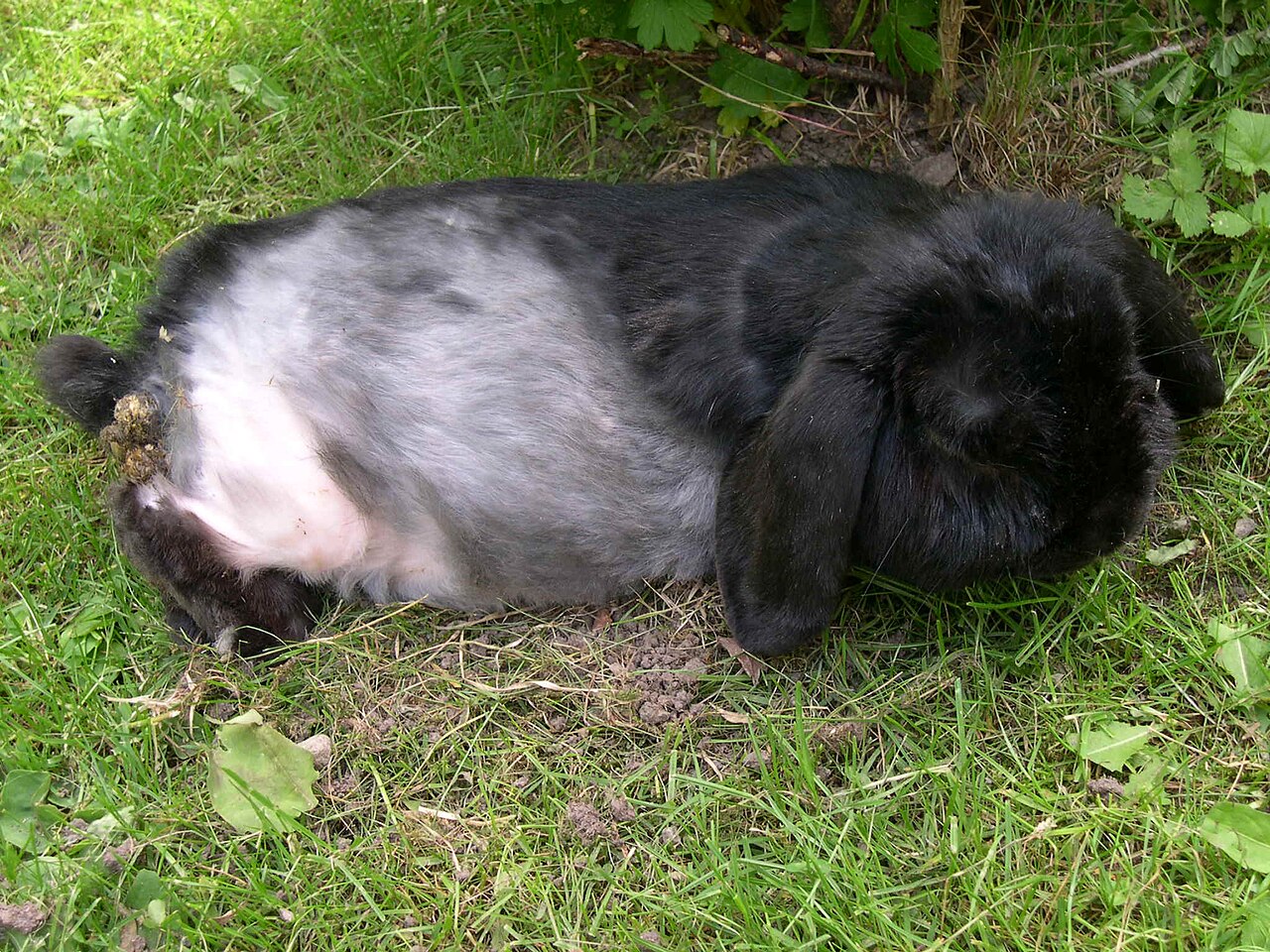
People often ask how much hay does a rabbit need, and the honest answer is simpler than weighing out portions: a rabbit needs unlimited hay, available at all hours, and will typically eat roughly an amount similar to its own body size in hay each day. That body-size bundle is a helpful visual guide, not a ration. Hay should never run out, never be measured restrictively, and should make up the great majority of what your rabbit eats.
Leafy greens, a small measured portion of pellets and occasional treats are all built around that hay. Below: why it matters so much, which types suit each life stage, how to store it well, and what to do if your rabbit eats too little of it.
The Short Answer: Unlimited Hay, Always
Unlike pellets or greens, hay is not a food to portion out. Good rabbit hay feeding means a fresh, generous supply within reach day and night, topped up whenever it runs low or gets soiled. Some rabbits graze steadily, others eat in bursts after resting; both patterns are normal.
Think of the body-size guide as a minimum expectation, not a target to enforce. What matters is the overall pattern: steady hay eating, normal droppings and a stable weight.
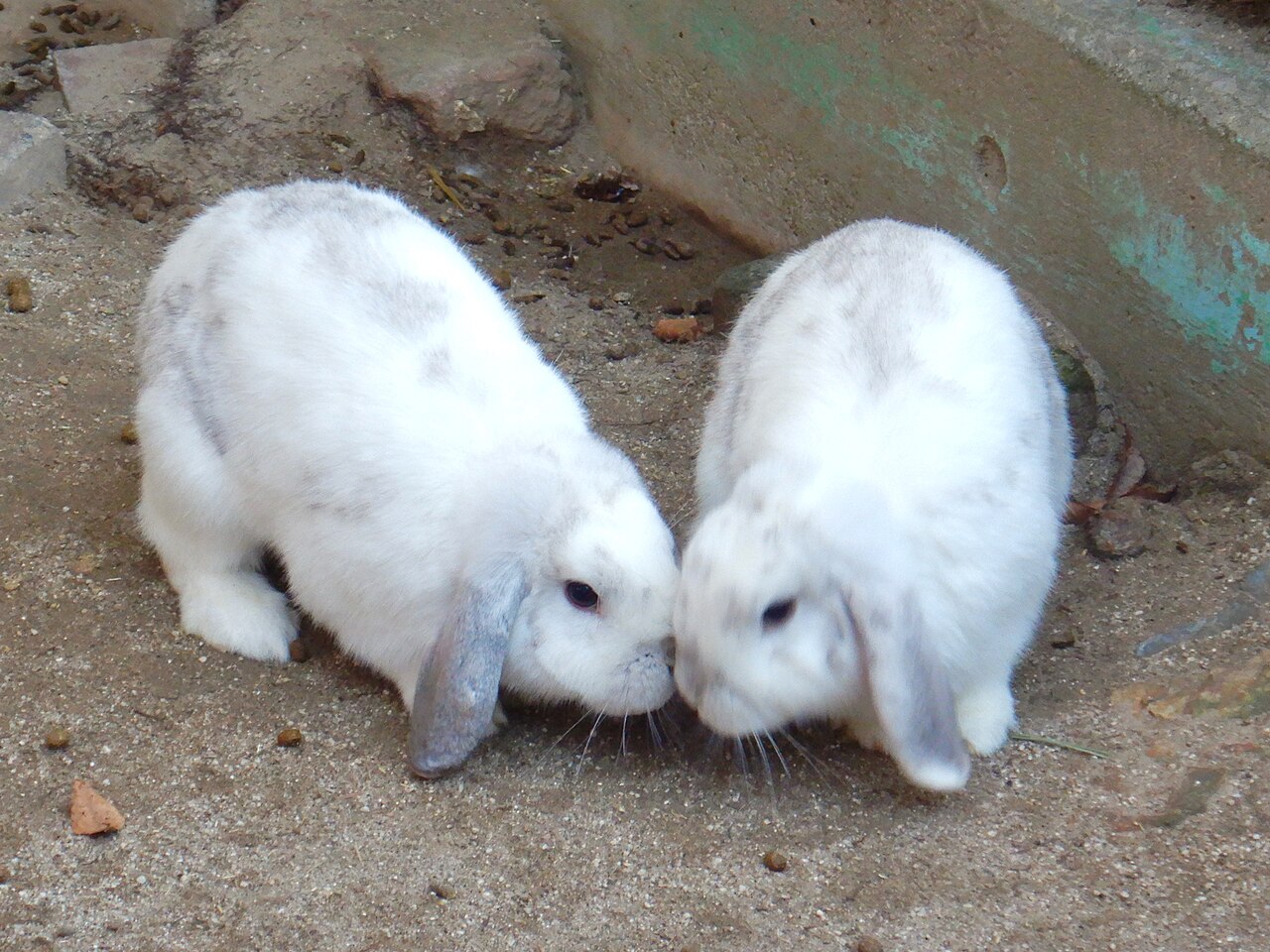
Why Hay Is Essential, Not Optional
Digestion that depends on fibre
A rabbit’s digestive system is designed for long, fibrous plant material. Eating hay keeps food moving through the gut steadily, and that movement is central to healthy digestion. A diet low in fibre and high in starchy or sugary foods does not support the gut in the same way, which is why hay, not pellets, is the foundation of the diet.
Teeth that never stop growing
Rabbit teeth grow continuously throughout life. The side-to-side chewing action used on long strands of hay helps wear those teeth down evenly, and rabbits that eat little hay miss much of that natural wear. Hay a rabbit genuinely enjoys is therefore a daily dental-care measure as well as a food.
Occupation and natural behaviour
Grazing and foraging occupy much of a wild rabbit’s day. A generous hay supply gives a pet rabbit something similar to do: searching through strands and choosing favourite pieces. Scattering hay or hiding small handfuls in safe places adds interest to that routine.
How Much Hay in Practice?
Start each morning with a fresh pile at least as big as your rabbit, and expect to top it up at least once more during the day. Large rabbits naturally work through more than small ones, and younger, more active rabbits may eat more than quieter older ones. Appetite also varies a little with the hay itself and how much other food is on offer.
Judging intake takes a little interpretation. Some hay will always end up as bedding, be trampled, or be rejected as too stalky or dusty; that waste is normal and is not the same as hay eaten. A better test is whether the pile keeps shrinking between top-ups and whether droppings remain plentiful and consistent.
- Offer more than you think will be eaten, so the supply never looks sparse.
- Remove wet, soiled or flattened hay and replace it with fresh material.
- Keep an eye on the balance: if pellets and treats are generous, hay intake often falls.
- Notice your own rabbit’s normal pattern, so a change is easier to spot.
Hay Types by Life Stage
Not all hay is the same, and the best choice changes a little with age. Grass hays are the staple for most adults, while richer alfalfa hay has a narrower role.
| Life stage | Usual hay choice | Access |
|---|---|---|
| Young, growing rabbits | Grass hay, with alfalfa often used during growth | Unlimited |
| Healthy adults | Timothy, meadow or orchard grass hay | Unlimited |
| Older rabbits | Grass hay they will eat readily, offered within easy reach | Unlimited |
Timothy and other grass hays
Timothy hay for rabbits is one of the most popular everyday choices, and meadow and orchard grass hays are also widely used. Each differs slightly in texture and smell, and individual rabbits often have a clear favourite. Any grass hay your rabbit eats eagerly and in quantity is a good choice, and variety can help if interest in one type fades.
Alfalfa hay
Alfalfa is a legume hay rather than a grass hay, and it is richer and more energy-dense. It is generally used for young, growing rabbits rather than as the main hay for healthy adults, unless a veterinarian advises it. If you change from alfalfa to grass hay as a rabbit matures, switch gradually, mixing the two so the new hay becomes familiar.
Young and older rabbits
Growing rabbits should always have hay available while they learn to graze, and questions about feeding during growth are best checked with a rabbit-experienced veterinarian. Older rabbits may need hay placed where they can reach it without stretching, and a softer, leafier batch may be easier with dental discomfort — although dental concerns themselves need veterinary attention, not just a change of hay.
How and Where to Offer Hay
Make hay easy to reach where your rabbit spends time. Many rabbits like to graze while sitting in the litter box, so a rack, bag or pile beside it works well. Offering hay in two or three spots means a soiled pile in one place does not leave your rabbit without a clean option.
Keep hay off wet flooring where possible, but do not make your rabbit work hard for this basic food. Feeders should have no sharp edges or gaps a head could become trapped in. Refresh the supply at least twice a day and remove anything damp or dirty.
Storing Hay and Keeping It Fresh
Hay quality matters: a rabbit is far more likely to eat hay that smells sweet and feels dry and clean. When buying, look for hay that is largely dust-free, not musty, and that separates into strands rather than clumping. Do not feed hay that smells mouldy or has been wet.
At home, store hay somewhere cool, dry and well ventilated, off the floor and away from damp. Keeping it in its bag or box with some airflow is usually better than sealing it in airtight plastic, where trapped moisture can spoil it. Buy quantities you can use while fresh, and check each handful as you serve it.
Freshness checklist
- Smells sweet and grassy, not musty or sour
- Dry to the touch, with no damp or mouldy patches
- Mostly green to golden strands, not grey or blackened
- Little visible dust when shaken
- Eaten willingly by your rabbit
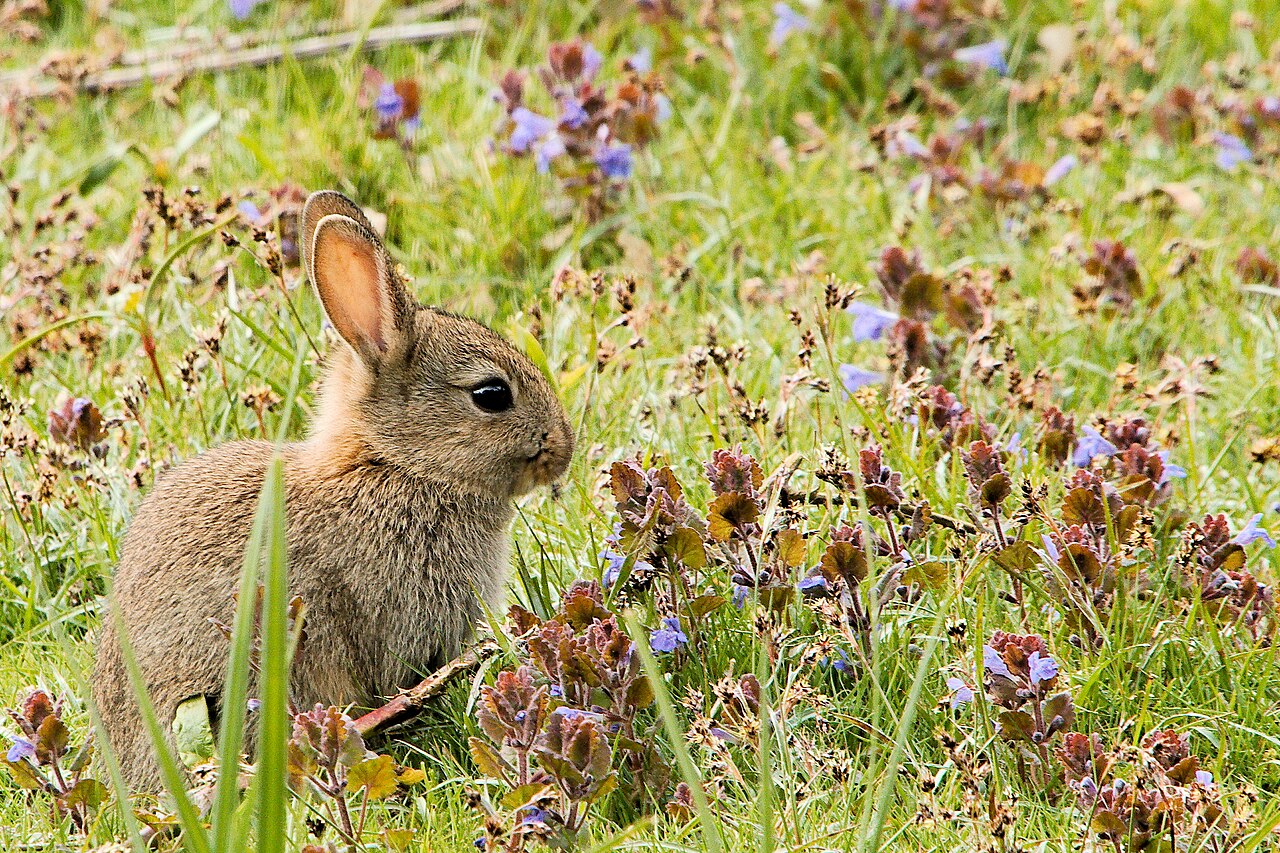
Tips for Rabbits That Seem Picky About Hay
Some rabbits are genuinely fussy about texture, while others are simply filling up elsewhere. Before assuming a rabbit dislikes hay, work through the common causes calmly.
- Try another grass hay. A rabbit that ignores a coarse, stalky batch may eat a leafier one, or prefer meadow hay to timothy, or the reverse.
- Check the batch, not just the type. Stale, dusty or poorly stored hay is unappealing — a fresh bag sometimes solves the problem immediately.
- Review pellets and treats. Generous pellets, muesli mixes and frequent treats can blunt interest in hay. Keep those portions measured and modest.
- Change the presentation. Offer hay in a pile, a rack and the litter area, and try stuffing some into a clean cardboard tube or box for foraging.
- Mix in interest. A small handful of safe dried herbs sprinkled through the hay can encourage a rabbit to dig in and start eating.
- Be patient with changes. Introduce a new hay alongside the old one for a while instead of swapping overnight.
If these steps do not help, or your rabbit’s overall appetite is reduced, treat it as a health question rather than a fussy habit and read the warning signs below.
Warning Signs of Inadequate Hay Intake
Too little hay does not always show up on the first day, so watch for patterns: a hay pile routinely untouched, smaller or fewer droppings, gradual weight change, or a rabbit that picks at other foods but avoids chewing hay. Drooling, wet fur around the chin, or preferring soft foods can be signs of dental discomfort. Reduced appetite should never be dismissed.
Safety Notes: When to Contact a Veterinarian
Contact a rabbit-experienced veterinarian promptly if your rabbit stops eating hay or stops eating altogether, produces much smaller droppings or none, seems hunched or quiet, grinds its teeth, drools, or has a swollen belly. Rabbits can deteriorate quickly when they stop eating, so do not wait days to see whether it passes, and do not attempt to diagnose or treat the problem yourself. A sudden refusal of hay a rabbit normally enjoys deserves the same prompt attention.
Conclusion
The rule for daily hay is simple: unlimited hay, roughly a body-size amount eaten each day, refreshed often and stored well. Choose grass hay your adult rabbit enjoys, use richer hays only where they suit the life stage, and treat fading interest in hay as something to investigate. Next step: check the hay supply now — if the pile is small, stale or hard to reach, fix that today.
Frequently Asked Questions
Can a rabbit eat too much hay?
For a healthy rabbit, hay is the food that does not need restricting. Free access to grass hay supports digestion and dental wear, and rabbits generally regulate their intake themselves. If you are concerned about weight or a medical condition, ask a veterinarian rather than limiting hay.
How do I know if my rabbit is eating enough hay?
Look at the overall picture: the hay pile shrinking between top-ups, plenty of consistent droppings, a stable weight and an appetite for fresh hay when offered. Some hay will be wasted, so judge by the pattern over days, not by a single day.
Is timothy hay essential, or can I use other hay?
Timothy is a popular choice, but it is not the only suitable one. Meadow and orchard grass hays are also commonly fed, and the best hay is the grass hay your rabbit eats willingly and in quantity. Offering more than one type can help a picky rabbit.
Why does my rabbit pull hay out but not eat it?
Rabbits often sort through hay, discarding strands they do not like, so some waste is normal. If almost everything is pulled out and left, check the batch’s freshness, try a different grass hay, and make sure pellets and treats are not filling your rabbit up first.
Should baby rabbits have unlimited hay too?
Yes, growing rabbits should have hay available at all times as they learn to graze. Richer alfalfa hay is often used during growth, but if you are unsure what suits a young rabbit, a rabbit-experienced veterinarian can advise for its age and condition.
Related Guides on RabbitCare
Start with our complete diet guide, What Do Rabbits Eat? A Complete Guide to a Healthy Rabbit Diet, which is already published. These related guides will link here once they are published:
- Timothy Hay vs. Alfalfa Hay: Which Is Right for Your Rabbit?
- Why Is My Rabbit Not Eating Hay? Causes and Helpful Solutions
- Best Vegetables for Rabbits: Safe Leafy Greens and How to Serve Them
References
- House Rabbit Society (rabbit.org) — guidance on hay-based diets and general rabbit care.
- RSPCA — rabbit diet and welfare guidance.