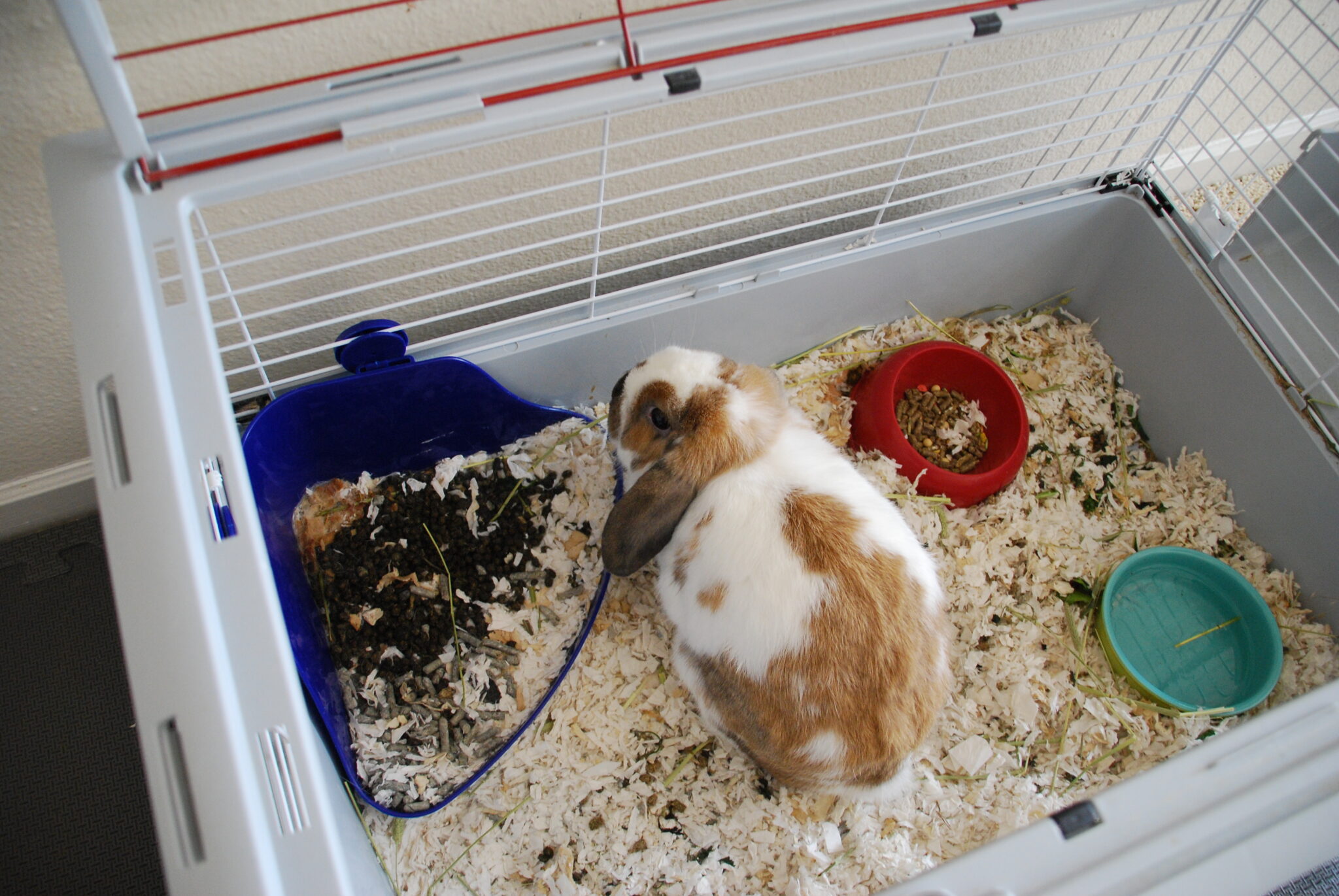
Knowing how to keep a rabbit cool in hot weather can save your rabbit’s life, because rabbits cope with heat far worse than with cold. The essentials are simple: deep shade, moving air, cool surfaces to lie on, a frozen water bottle wrapped in a towel to rest against, and constant access to fresh drinking water. Just as important is knowing the signs of overheating, because heatstroke is a veterinary emergency — if you suspect it, move your rabbit somewhere cooler and contact a veterinarian immediately.
This guide explains why heat is so dangerous for rabbits, the practical cooling measures that actually help, and the warning signs that mean you should stop reading and phone a vet.
Why Rabbits Struggle With Heat
Rabbits cannot sweat effectively. Unlike dogs, they do not pant as a main cooling method either, and their thick fur coat — wonderful insulation in winter — works against them in summer. A rabbit loses heat mainly through its ears, where blood vessels near the surface release warmth, and by seeking out cool places to stretch out. That is a limited system, and it is easily overwhelmed on a hot, still day.
Rabbits are simply more vulnerable to heat than to cold. A healthy rabbit in a dry, draught-free shelter copes well with chilly weather, but hot weather can make the same rabbit seriously ill in a short time. Young, elderly, overweight and long-haired rabbits, and those with existing health problems, are at even greater risk. Heat also makes other problems more likely: a rabbit that feels too hot may stop eating, and a rabbit that stops eating needs veterinary attention in its own right.
Start With Shade and Airflow
Shade is the foundation of every cooling plan. Your rabbit’s housing and exercise area should include shade at every hour of the day — remember that the sun moves, so a spot that is shaded in the morning may be in full sun by mid-afternoon. Check the space at different times and reposition housing, covers or shade cloth so there is always a genuinely shaded retreat.
- Move housing out of direct sun wherever possible, against a shaded wall or under a tree with safe, untreated surroundings.
- Use shade covers or cloths over part of a run, leaving the rest open to the air so heat is not trapped underneath.
- Encourage ventilation. Airflow matters as much as shade. Position housing so a gentle breeze can pass through, open vents and windows in sheds securely (with mesh intact so your rabbit stays safe), and avoid covering an enclosure completely, which creates a still, oven-like pocket of hot air.
- Bring rabbits into the coolest room during the hottest part of the day if their usual space cannot be kept comfortable. A room that never gets direct sun is often the kindest option during a heatwave.
Never rely on a hutch or run in full sun “because there is a shaded corner” — if the shaded corner is small and the air is still and hot, it may not be enough. When in doubt, move your rabbit.
Cool Surfaces and Frozen Bottles
Rabbits cool themselves by contact, stretching out on something cold so heat transfers away from the body. You can provide those surfaces deliberately:
- Ceramic tiles, a slate slab or a marble tile placed in the shaded part of the enclosure give your rabbit a cool place to flop. Tiles that have been kept in a cool room feel colder still.
- A frozen water bottle wrapped in a towel is the classic rabbit cooling aid. Freeze a sturdy plastic bottle of water, wrap it so your rabbit is not in direct contact with the icy surface, and lay it where your rabbit can choose to lie against it — or ignore it. Choice matters: never force contact.
- Freeze a second bottle so you can swap them as each one melts, and check bottles for chewing damage.
- A shallow tray of cool water is not needed — rabbits do not bathe, and wetting a rabbit is not a cooling strategy (see the safety section below).
Water: More Than a Filled Bowl
Drinking water is central to cooling, and hot weather is when shortages do the most harm. Provide fresh, cool water at all times and check it more than once a day in a heatwave — bottles can leak or block, and bowls can be tipped or fouled. Many owners offer both a bowl and a bottle so there is always a backup; our guide to how much water rabbits need covers the pros and cons of each. Replace water daily, keep bowls in the shade so the water itself stays cool, and make sure elderly or less mobile rabbits can reach water without effort. If your rabbit seems off their food in the heat, tempting leafy greens rinsed in water can add a little extra fluid — but loss of appetite in hot weather is a warning sign to watch closely, not just a feeding problem.
Daily Routines to Adjust in Hot Weather
Small changes to the day make a real difference:
- Exercise at the coolest times — early morning and later evening — and skip boisterous play in the middle of the day.
- Avoid handling and travel in the heat where you can. Handling is stressful and warming, and a car journey on a hot day is risky. Postpone non-essential trips; if travel is unavoidable, go at the coolest time, keep the vehicle cool, and never leave your rabbit in a parked car.
- Groom out loose fur. During a moult, gently removing loose coat helps a rabbit feel cooler, especially for long-haired breeds — keep sessions short and calm.
- Watch flies. Hot weather brings flies, and a rabbit with a dirty bottom is at risk of flystrike, which is an emergency. Check your rabbit’s rear end at least daily in summer, keep housing clean, and contact a vet immediately if you see maggots or fly eggs.
- Keep the routine calm. Stress raises body temperature. A quiet, predictable day is a cooling measure in itself.
If your rabbit lives outdoors, also think about the wider setup — our guide to the best indoor rabbit housing and our comparison of indoor vs outdoor rabbits can help you plan a summer arrangement that keeps your rabbit safe when temperatures climb.
A Hot-Weather Checklist
| Measure | Why it helps |
|---|---|
| Shade all day | The sun moves; a retreat must stay shaded at every hour |
| Ventilation and breeze | Moving air carries heat away; still air traps it |
| Tiles or slate to lie on | Contact cooling as your rabbit stretches out |
| Frozen bottle wrapped in a towel | An optional cold spot your rabbit can choose |
| Fresh cool water, checked often | Drinking is essential; bottles block and bowls tip |
| Exercise morning and evening | Avoids exertion at the hottest time |
| Daily bottom check | Spots flystrike risk early in fly season |
Safety: Signs of Overheating and Heatstroke
Heatstroke is a veterinary emergency, and it can develop quickly. Contact a veterinarian immediately if you notice any of the following, especially on a hot day:
- Lethargy or unusual stillness — a rabbit that is flopped out and not responding normally
- Panting or open-mouth breathing — rabbits should breathe through the nose; mouth breathing is a serious sign
- Drooling or a wet chin
- Weakness, wobbliness or difficulty moving
- Hot ears and fast, shallow breathing
- Refusing food and water, confusion, or collapse — these are grave signs
If you suspect overheating: move your rabbit somewhere cooler right away and contact a veterinarian immediately. Do not delay the call to try home remedies first. While you are seeking help, keep your rabbit in that cooler, shaded, ventilated place and stay calm around them.
Never immerse a rabbit in cold water, and never pour cold water over them. Sudden chilling can cause dangerous shock. The same applies to ice applied directly to the body. Gentle movement to a cooler environment, plus immediate veterinary advice, is the safe response. If your rabbit stops eating during or after hot weather, treat that seriously too — our article on why a rabbit is not eating explains why prompt help matters.
Conclusion
Keeping a rabbit cool is mostly about preparation done before the hottest hours arrive: housing in real shade with air moving through it, cool tiles and a wrapped frozen bottle to lie against, fresh water checked often, exercise moved to morning and evening, and handling and travel kept to a minimum. Then it is about observation — knowing that lethargy, panting, drooling or weakness on a hot day means you move your rabbit somewhere cooler and phone a veterinarian immediately. Next step: check your rabbit’s space at midday this week and see whether the shade you think is there actually is.
Frequently Asked Questions
Can I put ice cubes in my rabbit’s water?
You can add an ice cube to a water bowl to keep it cool a little longer, and some rabbits enjoy nudging it. It is a minor extra, though — the essentials are shade, airflow, cool surfaces and plenty of fresh water, checked often through the day.
Is it safe to spray my rabbit with water to cool them down?
No. Rabbits do not cool themselves by getting wet, and spraying or wetting a rabbit can frighten them and chill them unevenly. Never immerse a rabbit in cold water either. Provide cool surfaces and shade instead, and if you suspect overheating, move your rabbit somewhere cooler and contact a vet immediately.
Should I bring my outdoor rabbit indoors during a heatwave?
If the outdoor space cannot be kept shaded and ventilated, yes — a cool indoor room is the safest place during the hottest weather. Make the move calmly, bring familiar bedding and hay, and keep the new space quiet. Plan this before the heat arrives rather than during it.
Do fans help rabbits?
A fan that keeps air moving in the room can help, as long as your rabbit can move away from the direct draught and the cable is completely out of chewing reach. A fan is an addition to shade and ventilation, not a substitute for them.
What are the first signs my rabbit is too hot?
Early signs include restlessness followed by unusual quietness or lethargy, breathing faster than normal, hot ears, stretching out flat and losing interest in food. Panting, open-mouth breathing, drooling or weakness mean the situation is serious: move your rabbit somewhere cooler and contact a veterinarian immediately.
Related Guides on RabbitCare
- Fresh Water for Rabbits: How Much Do They Need?
- Rabbit-Safe Balcony and Garden: Outdoor Time Without the Risks
- Signs Your Rabbit Is Sick: Symptoms You Should Never Ignore
References
- House Rabbit Society (rabbit.org) — guidance on rabbit care in hot weather and recognising heatstroke.
- RSPCA — advice on keeping rabbits cool and safe during hot weather.