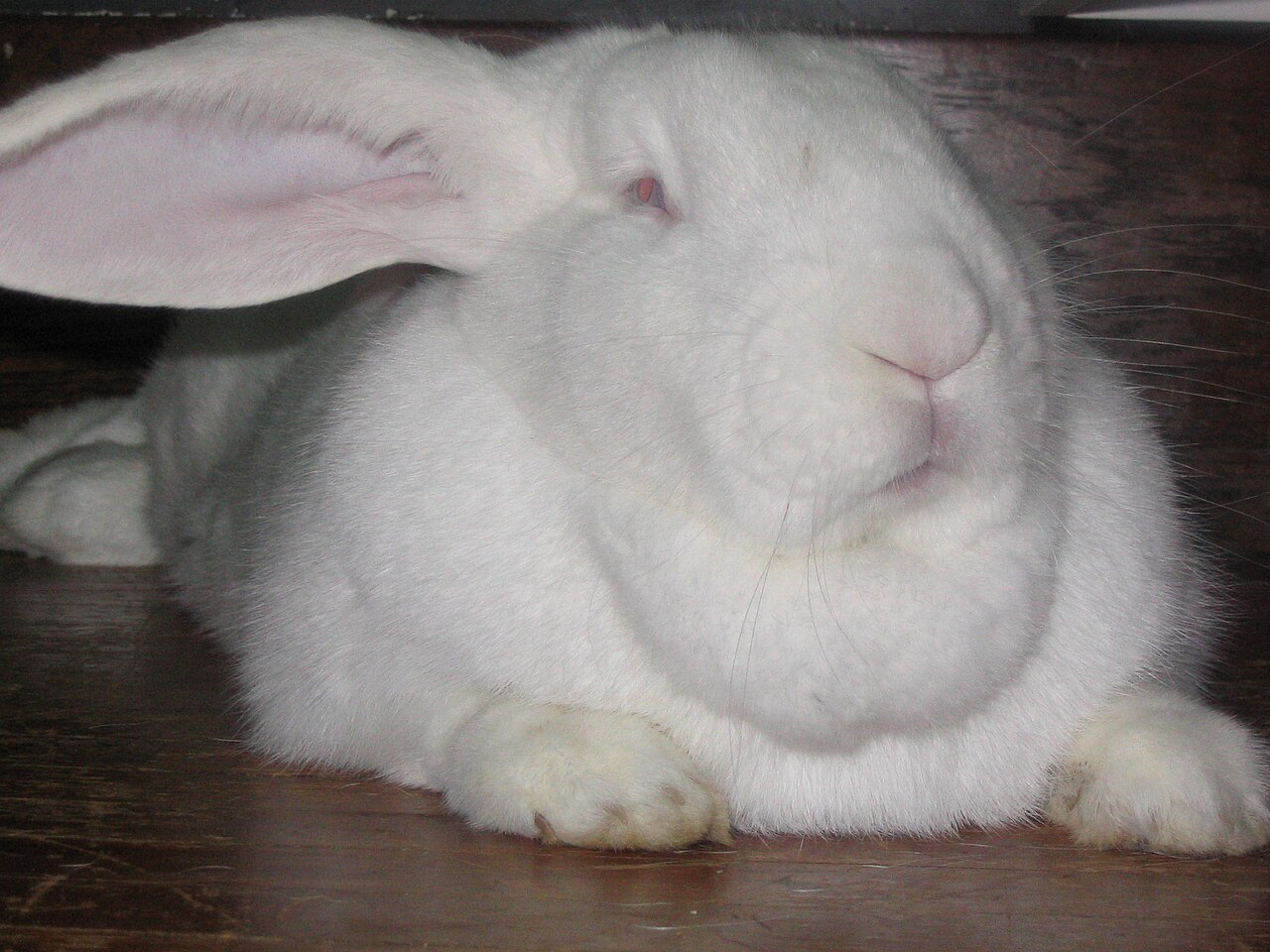
A rabbit not eating is a problem to act on today, not one to watch for several days. Rabbits rely on frequent eating to keep their digestion moving, and a rabbit loss of appetite can be both a sign of illness and a reason the illness becomes more serious. If your rabbit has stopped eating, is eating much less, contact a rabbit-experienced veterinarian promptly and use the safe steps below.
There are many possible causes, including dental pain, digestive slowing, stress and other pain. Owners cannot reliably tell the cause from behaviour alone, and this article is not a diagnosis. Its purpose is to help you recognise the urgency, avoid unsafe actions, gather helpful information.
URGENT: Contact a Veterinarian Now
Do not wait and see if any of the following are present. Call a rabbit-experienced veterinarian straight away, or a rabbit emergency vet service if your usual practice is closed, if your rabbit:
- Has stopped eating altogether or is eating noticeably less than usual
- Is producing much smaller droppings, far fewer droppings, or no droppings
- Seems hunched, quiet, withdrawn, or reluctant to move
- Is grinding its teeth, drooling, or has wet fur around the chin
- Has a swollen, tight, or uncomfortable-looking belly
- Is hiding away, breathing unusually, or behaving very differently from normal
- Is only picking at soft foods or has stopped eating hay
If you are unsure whether it is urgent, phone and describe what you are seeing. Keep your rabbit calm and warm while you call, and do not spend time trying home treatments first.
Why a Rabbit Not Eating Can Become Serious Quickly
A healthy rabbit grazes often, especially on hay. That steady intake helps the digestive system keep moving and gives the teeth the chewing work they need. When eating slows, droppings often become smaller or fewer, appetite can fall further, and discomfort can increase, so reduced eating is an important sign.
The same sign can have very different causes. A rabbit may stop eating because eating hurts, because the gut has slowed, because something else is painful, or because stress or illness has reduced appetite. Only an examination, sometimes with further tests, can separate those possibilities.
Possible Causes to Discuss With a Veterinarian
Dental pain or mouth discomfort
Hay and fibrous foods need sustained chewing, so dental discomfort may show first as selective eating. A rabbit might try to eat then stop, choose softer items, eat slowly, drop food, or drool. Back teeth cannot be assessed properly at home, and owners should never attempt to trim, file, or prise the mouth open. If mouth pain is possible, a veterinary dental examination is the safe next step.
Digestive slowing and gut stasis
Digestive slowing is often discussed under the term gut stasis. Possible rabbit gut stasis signs include reduced appetite, very small or absent droppings, quiet behaviour and a hunched posture. Gut slowing can also develop alongside pain or illness elsewhere. Do not try to treat suspected gut stasis at home with remedies, massage, or feeding techniques. A rabbit with these signs needs prompt veterinary assessment; see also our guide to rabbit gut stasis.
Pain or illness elsewhere
Eating can fall when a rabbit is uncomfortable for reasons that are not obvious. Urinary discomfort, respiratory illness, infection, injury, sore skin, mobility problems, or another internal problem may all reduce appetite. A rabbit may still nibble a favourite treat while eating far less hay than it needs, so treats are not reassurance. Reduced eating alongside any change in posture, movement, breathing, toileting, or behaviour deserves veterinary attention.
Stress and sudden change
Rabbits are sensitive to change. Travel, a new home, building work, a new animal, handling changes, unsettled conditions, or a sudden diet change can coincide with eating less. Stress may explain a brief dip in a bright rabbit passing normal droppings, but it should not be assumed too quickly. If appetite does not return promptly, droppings reduce, or other signs appear, treat it as a veterinary problem rather than “just stress”.
Diet problems and access to food
Sometimes the immediate reason is practical: stale hay, a blocked water bottle, hay placed where the rabbit cannot easily reach it, or a sudden change in pellets or greens. Too many pellets or treats can also fill a rabbit up and reduce hay eating. Check and correct these gently, but do not use them to explain away a clear fall in appetite. If your rabbit is eating other foods but refusing hay, our guide on a rabbit not eating hay covers that narrower problem.
What to Check Now: A Short Observation List
While you are contacting the veterinarian, note the details below. Information helps the veterinary team judge urgency and gives you something to report if things change.
- Food: When did your rabbit last eat normally? What has it eaten since?
- Hay pattern: Is hay untouched, sorted through, or eaten in much smaller amounts than usual?
- Droppings: Are they normal in number and size, smaller, softer, fewer, or absent? When did you last see normal droppings?
- Water: Is your rabbit drinking? Is the bowl or bottle clean, reachable, and working?
- Behaviour: Is your rabbit bright or quiet, moving normally, hiding, or hunched?
- Other signs: Drooling, tooth grinding, wet chin, swollen belly, noisy breathing, limping, sore areas, or a dirty bottom.
- Recent changes: New foods, new hay, travel, visitors, building work, a fall, or possible access to unsuitable items.
Do not delay the call in order to complete a perfect log. Make the call first, then keep notes while you wait for advice or prepare to travel.
Safe Steps While You Contact the Veterinarian
- Call promptly. Use your usual rabbit-experienced practice first; if it is closed and your rabbit has warning signs, contact an emergency service rather than waiting until morning.
- Keep hay and water available. Put fresh, good-quality hay within easy reach in familiar places. Check that water is clean, reachable, and flowing if a bottle is used.
- Keep your rabbit warm and calm. Place your rabbit somewhere quiet, familiar, and comfortably warm, away from noise, other pets, and unnecessary handling.
- Offer familiar foods, but do not force them. Place favourite greens or hay nearby. If your rabbit does not want them, do not push food into the mouth.
- Prepare the carrier and details. Line a secure carrier with familiar bedding or a towel, add hay, and have your notes, vet details, and phone ready.
- Keep monitoring. Watch appetite, droppings, posture, and behaviour, and update the practice if things worsen while you wait.
What Not to Do
Good intentions can cause harm when a rabbit is unwell. Avoid the following unless a veterinarian who knows the situation specifically directs you otherwise:
- Do not force-feed, syringe food or water into the mouth, or hold your rabbit down to make it eat. Feeding a rabbit that cannot or should not swallow safely can be dangerous.
- Do not give human medicines, leftover pet medicines, oils, sugary remedies, herbal mixtures, or probiotics as a substitute for assessment.
- Do not massage a swollen belly, exercise your rabbit to “get the gut moving”, or repeatedly pick your rabbit up to check it.
- Do not withhold hay, pellets, or greens to make your rabbit hungry. Eating less overall increases risk.
- Do not wait several days because your rabbit still nibbles treats. Total intake and droppings matter more than interest in treats.
What to Tell the Veterinarian
A concise report is easier for a busy practice to use. Start with the most important facts: “My rabbit has stopped eating”, how long it has been going on, and whether droppings have changed. Then add age if known, usual diet, recent changes, other signs, and whether your rabbit has any known health problems or is taking anything prescribed. Ask what to do now, how quickly to be seen, and which signs mean you should call back or travel at once.
If you are advised to bring your rabbit in, travel calmly and safely. Keep the carrier level, secure, shaded, and away from loud noise. Bring your notes, but do not delay travel to gather extras if the advice is to come in urgently.
After You Have Veterinary Advice
Follow the plan given for your individual rabbit rather than general online guidance, including this article. If you are told to monitor at home for a short period, keep the observation notes going and be clear about the point at which you should call again. If your rabbit deteriorates, stops producing droppings, or refuses food more completely, contact the practice again.
Once the immediate problem is being dealt with, it can help to review the basics with your veterinarian: dental health, diet balance, hay quality and access, and water provision. Our guide to how much hay a rabbit needs can help.
Conclusion
A rabbit not eating should always be taken seriously. Dental pain, digestive slowing, pain elsewhere, stress, and illness can all sit behind the same sign, and owners are not expected to work out which one it is. Check appetite and droppings, keep hay and water available, keep your rabbit warm and calm, prepare the carrier, and contact a rabbit-experienced veterinarian promptly. That early call is the most important step you can take.
Frequently Asked Questions
How long can I wait if my rabbit is not eating?
Do not plan to wait days. If your rabbit has stopped eating, is eating much less, or droppings are smaller or absent, contact a rabbit-experienced veterinarian the same day. If your usual practice is closed, use an emergency service.
My rabbit will eat treats but not hay. Is that still serious?
It can be. Interest in a favourite treat does not prove that hay intake, digestion, teeth, or comfort are normal. If hay eating has dropped clearly, or droppings and behaviour have changed, contact a veterinarian rather than relying on treats as reassurance.
Should I syringe-feed my rabbit at home?
Not unless a veterinarian or veterinary nurse has specifically advised it for your rabbit and shown you what to do. Force-feeding or syringe feeding without professional direction can be unsafe, especially if your rabbit is weak or not swallowing normally.
Can stress alone make a rabbit stop eating?
Stress and sudden change can reduce appetite, but they should not be assumed to be the only cause. Pain, dental problems, and digestive slowing can look similar at first. If eating does not return promptly, droppings reduce, or other signs appear, seek veterinary advice.
What information should I give the vet?
Say when your rabbit last ate normally, what it has eaten since, whether droppings are smaller, fewer, softer, or absent, and what else you have noticed — drooling, tooth grinding, hiding, hunching, or a swollen belly. Mention recent diet changes, travel, stress, injuries, or known health problems.
Related Guides on RabbitCare
- Why Is My Rabbit Not Eating Hay? Causes and Helpful Solutions
- How Much Hay Does a Rabbit Need Every Day?
- Rabbit Gut Stasis: Signs, Causes and Why Urgent Vet Care Matters
- Signs Your Rabbit Is Sick: Symptoms You Should Never Ignore
- Rabbit Dental Care: Keeping Teeth Healthy and Spotting Problems
References
- House Rabbit Society (rabbit.org) — rabbit care guidance, including hay, appetite and prompt veterinary attention.
- RSPCA — rabbit health and welfare guidance, including recognising illness and seeking veterinary help.