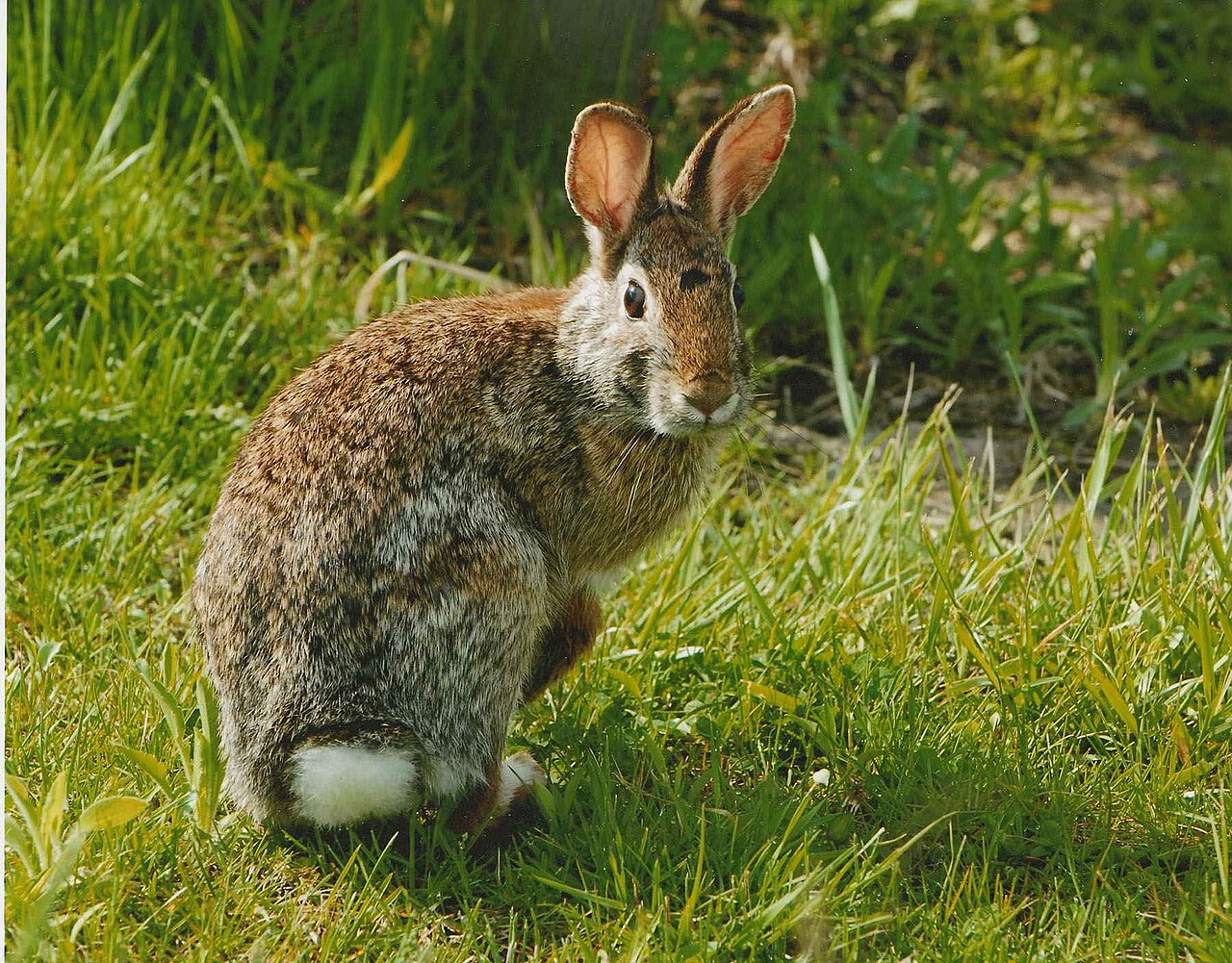
Good rabbit dental care begins with something simple: unlimited grass hay and regular observation. Rabbit teeth grow throughout life, and long, fibrous hay encourages the prolonged, side-to-side chewing that helps wear them down. If your rabbit is eating slowly, choosing soft foods, drooling, dropping food or eating less hay, book a check with a rabbit-experienced veterinarian. These changes should never be dismissed as fussiness, and owners should never trim or file teeth at home.
For a healthy rabbit, the essentials are knowing normal eating, noticing change early, and remembering that back teeth cannot be assessed properly at home.
Why Rabbit Teeth Keep Growing
Rabbits have open-rooted teeth, which means they continue to grow throughout their lives. This suits a natural diet of grasses and other fibrous plants: as the chewing surface is worn away, new tooth replaces it. The visible front teeth, the incisors, are only part of the system. Rabbits also have cheek teeth at the back of the mouth, which do much of the grinding work.
Problems can develop when wear does not keep pace with growth. A tooth may become too long, develop an uneven edge, or make chewing uncomfortable. The result is often described as rabbit overgrown teeth, but length is only one possible issue. Some rabbit dental problems involve the back teeth or discomfort that cannot be seen from the front of the mouth.
How Hay Chewing Helps Wear Teeth Down
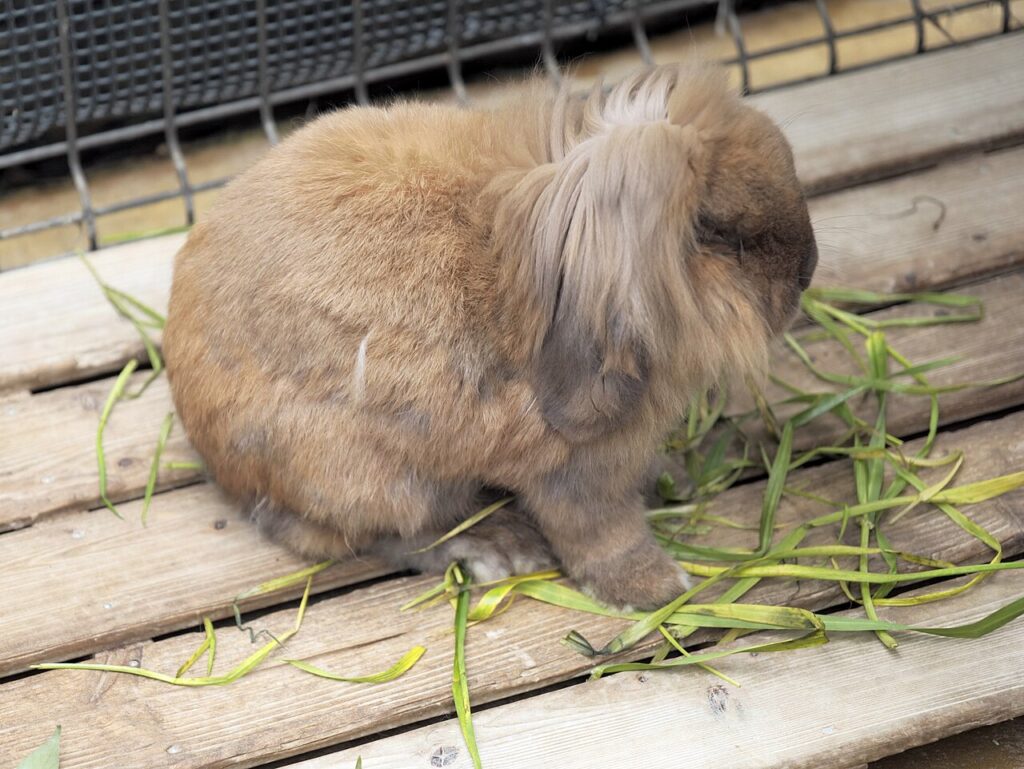
Long-strand grass hay asks a rabbit to work. The jaws move broadly from side to side as the strands are ground down, and a rabbit spends far longer eating hay than it would spend eating pellets or other concentrated food. That repeated rabbit chewing helps maintain wear across the cheek teeth as well as supporting normal digestion.
Soft foods and large amounts of pellets are eaten much more quickly and require less grinding. They have a place in the right amounts for many rabbits, but they cannot replace hay for chewing time. A hay-first diet is therefore the foundation of dental care. Keep hay available day and night, refresh it often, and place it where your rabbit rests, grazes and uses the litter tray.
If your rabbit seems uninterested in one hay, try another suitable grass hay or a fresher supply. Our guide to how much hay a rabbit needs explains why the pile should be generous and constantly available.
What Normal Eating Looks Like
Knowing your rabbit’s usual habits makes change easier to spot:
- Your rabbit comes forward readily for familiar foods.
- Hay is eaten steadily throughout the day, not merely picked through.
- Food is chewed and swallowed without repeated dropping.
- The chin and chest stay dry.
- Appetite, droppings and weight remain broadly stable.
- Your rabbit can groom comfortably and reach its usual foods.
Not every rabbit eats at the same pace or chooses foods in the same order. The important point is a change from your own rabbit’s normal pattern, especially a change that continues or affects hay eating.
Warning Signs That Need Attention
Dental discomfort can affect eating before anything looks wrong. One sign alone does not prove a dental problem, but the signs below should prompt veterinary advice, particularly if several occur together or eating is reduced.
| What you may notice | What to observe |
|---|---|
| Drooling or a wet chin | Wet fur under the mouth, a damp chest, or saliva around the lips |
| Selective eating | Leaving hay or harder foods while still trying softer foods |
| Eating more slowly | Taking longer over familiar food or stopping sooner than usual |
| Dropping food | Picking food up, chewing briefly, then letting it fall |
| Reduced hay eating | A hay pile staying unusually full or only stalky pieces being left |
| Weight change | A gradual loss of condition or a difference noticed when handling or weighing |
| Wet or matted fur | Fur around the chin, chest or front legs becoming damp or unkempt |
| Smaller or fewer droppings | A change from plentiful, familiar droppings alongside reduced eating |
A rabbit who stops eating needs prompt veterinary help; do not wait to see whether dental signs settle. Reduced appetite has several possible causes, and our article on a rabbit not eating explains why a wider loss of appetite should also be taken seriously.
What You Can and Cannot Check at Home
From the front, an owner may be able to see whether the incisors look very uneven or whether the lips and chin are wet. Gentle observation is useful, but it has strict limits. Do not force the mouth open, pull the lips back roughly, or use tools to inspect the mouth. The cheek teeth sit far back, partly hidden by the cheeks and tongue, and cannot be assessed reliably at home.
A rabbit can have serious discomfort involving teeth you cannot see, and reasonably even front teeth do not rule out a problem. If eating has changed, arrange a veterinary examination.
Front teeth are only part of the picture
Owners naturally focus on the incisors because they are easiest to glimpse. Yet the grinding teeth at the back are essential for eating hay. Pain or uneven wear there can lead to slow eating, food dropping and hay refusal while the front teeth appear unchanged. This is why veterinary assessment matters even when nothing obvious is visible.
What a Veterinary Dental Check Involves
A rabbit-experienced veterinarian will begin with your rabbit’s history: what it eats, how its hay intake has changed, any drooling, weight change or difference in droppings. They can examine the front teeth and assess the mouth using suitable equipment and training, including checking the back teeth as far as your rabbit’s condition and safety allow.
The veterinarian may also feel the jaw and head, check body condition, and consider whether further investigation is appropriate. If a concern is found, they will explain the options and risks before any treatment goes ahead. The aim of the visit is not simply to look for long teeth; it is to find the cause of the signs and decide what your individual rabbit needs.
If your rabbit seems in pain, contact the practice promptly rather than waiting for a routine appointment. Our guide to signs of pain in rabbits may help you describe what you have noticed.
Never Trim or File a Rabbit’s Teeth Yourself
Never attempt to trim, clip or file a rabbit’s teeth, and never follow a home-video method. This can injure the mouth, damage a tooth, cause pain, and make eating worse. It can also delay proper examination of the back teeth and of any underlying cause.
If a front tooth looks long or broken, contact a rabbit-experienced veterinarian for advice. Keep hay and familiar food available, monitor appetite and droppings, and follow the practice’s guidance about how soon your rabbit should be seen. Do not give medicines intended for people or other animals unless a veterinarian directs you to do so.
Preventing Problems: Hay First, Checks Regularly
No routine can guarantee that a rabbit will never develop dental disease. Age, jaw shape, previous illness and other individual factors may play a part. Prevention therefore means giving teeth the work they evolved to do and arranging regular professional checks.
A practical dental-care checklist
- Make grass hay the main food. Offer it without limit, day and night.
- Choose long strands. They encourage more chewing than short, dusty fragments.
- Keep pellets measured. Do not let concentrated foods fill your rabbit up before it eats hay.
- Vary suitable grass hays if needed. Timothy and meadow hay are common choices; compare them in our guide to timothy hay versus alfalfa hay.
- Watch the hay pile. A lasting drop in hay eating is important information.
- Weigh regularly. Use the same method and record the result so gradual changes stand out.
- Check the chin. Look for wetness during normal handling, without forcing the mouth open.
- Book routine veterinary checks. Ask how often your rabbit should be examined and follow that individual advice.
- Act early. Slow, selective or reduced eating deserves a call, not a wait-and-see approach.
If hay interest falls while appetite changes, see our guide to a rabbit not eating hay for safe checks and warning signs.
When to Contact a Veterinarian
Contact a rabbit-experienced veterinarian promptly if your rabbit stops eating, eats much less hay, produces smaller or fewer droppings, drools, has a wet chin, drops food repeatedly, seems hunched or quiet, grinds its teeth, or loses weight. A rabbit that is not eating can deteriorate quickly.
Seek urgent advice if your rabbit is not eating at all, is clearly uncomfortable, has a swollen face or jaw, has injured a tooth, or cannot pick up food. Do not attempt home treatment first. If your usual practice is closed, use its emergency service or another service able to see rabbits.
Conclusion
Rabbit dental care is mostly about supporting natural chewing and noticing change. Unlimited hay gives continuously growing teeth regular work, while routine observation helps you spot drooling, slow eating, selective feeding and reduced hay intake early. The teeth you cannot see matter just as much as the front pair, so persistent changes need a rabbit-experienced veterinarian. Never trim or file teeth yourself; prompt professional assessment is the safest response.
Frequently Asked Questions
How often should a rabbit’s teeth be checked?
Ask a rabbit-experienced veterinarian what interval suits your rabbit, and have teeth checked as part of routine health examinations. Book sooner whenever eating, weight, droppings or behaviour change; do not wait for the next routine visit if you notice drooling or reduced hay eating.
Can I check my rabbit’s back teeth at home?
No. You may notice eating changes or wet fur, and you may glimpse the front teeth, but the back teeth cannot be assessed reliably at home. Do not force the mouth open or use tools. A veterinarian has the training and equipment needed to examine them safely.
Why is my rabbit eating greens but not hay?
Hay needs sustained grinding, so dental discomfort is one possible reason a rabbit may choose softer foods. Hay quality, pellet portions and other illnesses can also affect hay eating. If the change lasts, droppings reduce, or your rabbit seems uncomfortable, arrange a veterinary check.
Are chew toys enough to wear down rabbit teeth?
Safe chewing materials can provide enrichment, but they are not a substitute for a hay-first diet. Long-strand hay involves prolonged chewing as part of normal feeding. If your rabbit avoids hay or chews with difficulty, toys will not solve the cause; seek veterinary advice.
What should I do if a rabbit’s front tooth breaks?
Contact a rabbit-experienced veterinarian for advice, especially if your rabbit is painful, drooling, dropping food or eating less. Offer familiar hay and food, monitor droppings, and do not try to smooth, trim or file the tooth yourself.
Related Guides on RabbitCare
- How Much Hay Does a Rabbit Need Every Day?
- Why Is My Rabbit Not Eating Hay? Causes and Helpful Solutions
- Why Is My Rabbit Not Eating? When to See a Veterinarian
- Signs of Pain in Rabbits: What to Look For
- Timothy Hay vs. Alfalfa Hay: Which Is Right for Your Rabbit?
References
- House Rabbit Society (rabbit.org) — guidance on hay-based diets, chewing and general rabbit health.
- RSPCA — rabbit health, diet and welfare guidance, including the importance of veterinary care.