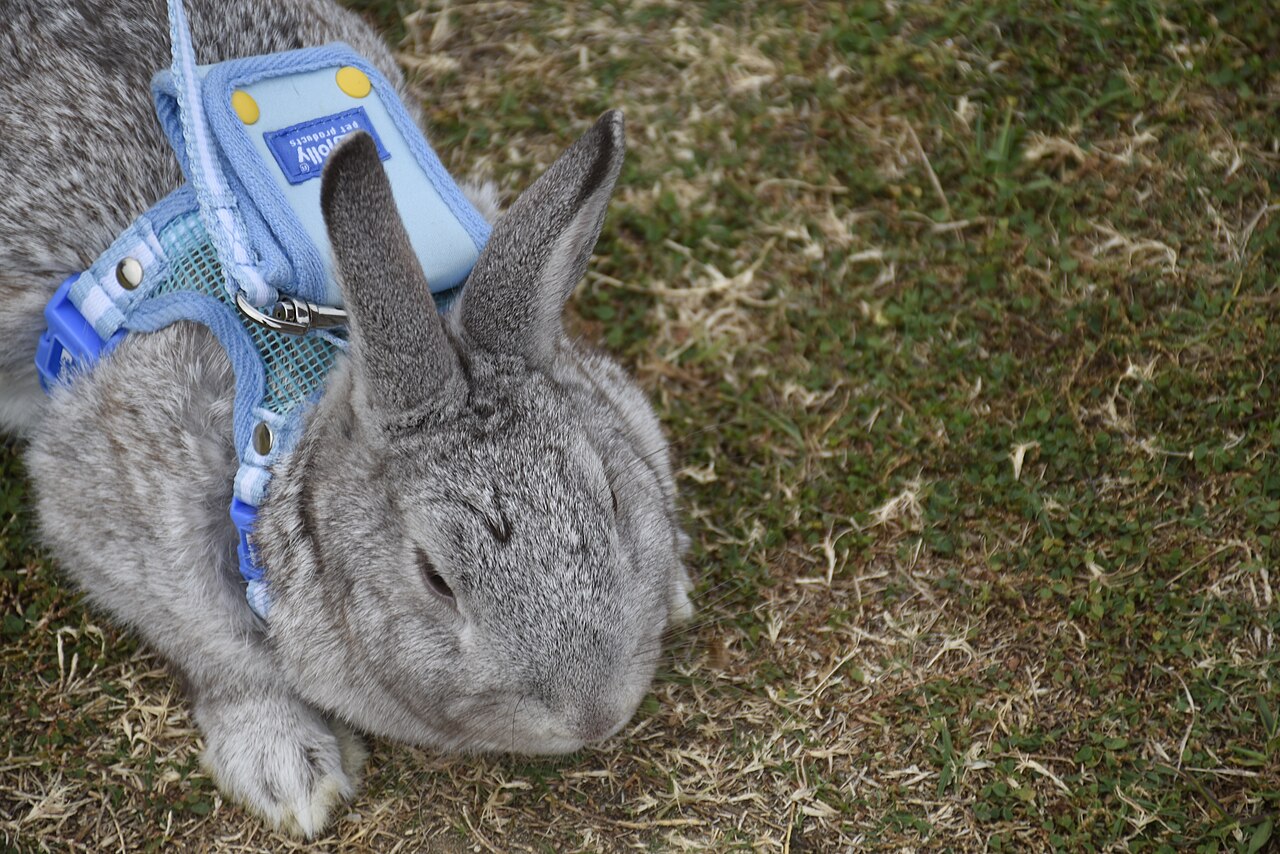
The most reliable signs your rabbit is sick are changes from your rabbit’s normal: eating less or stopping altogether, fewer or smaller droppings, sitting hunched and quiet, moving less, breathing differently, or behaving unlike themselves. Rabbits are prey animals and often hide illness, so a small change can matter. Some signs — not eating, no droppings, difficulty breathing, collapse or bleeding — are emergencies needing a rabbit-experienced veterinarian straight away. This guide explains what to watch for, how to separate urgent red flags from concerns for a routine checkup, and how a simple daily and weekly rabbit health checklist helps you spot trouble early. It cannot diagnose your rabbit; only a veterinarian who examines them can do that.
Start With What Is Normal for Your Rabbit
You cannot spot a change unless you know the baseline. A healthy rabbit is usually alert at their active times, comes forward for food, grazes on hay through the day, passes plentiful round droppings, moves comfortably, and has bright eyes and a clean, dry nose. Every rabbit has their own version of normal: one may be bold and busy, another quieter and fond of naps.
Spend a few minutes each day simply watching: how eagerly your rabbit eats, how their droppings look, how they sit, hop and groom. These observations are the foundation of recognising sick rabbit symptoms, because illness often shows first as a pattern change.
Urgent Red Flags: Contact a Veterinarian Straight Away
The following rabbit emergency signs should never be waited out at home. Contact a rabbit-experienced veterinarian immediately — if your usual practice is closed, use an emergency service:
- Not eating, or eating far less than usual, especially refusing favourites as well as hay.
- No droppings, or far fewer and smaller droppings than normal.
- Difficulty breathing — laboured, noisy or open-mouth breathing.
- Collapse, weakness or inability to stand or move normally.
- Bleeding, a visible wound, or signs of a serious injury.
- A swollen, hard or painful-looking belly, particularly alongside not eating.
- Unresponsiveness, fitting, or a head tilt with loss of balance.
- Flystrike — eggs or maggots in the fur, usually around the bottom: always an emergency.
Rabbits can deteriorate quickly once they stop eating or their digestion slows; our guide to rabbit gut stasis explains why vets treat gut slowdown seriously. Do not wait until morning to see whether an emergency sign passes, and do not try to treat it yourself first.
Changes in Eating and Drinking
Appetite is one of the clearest windows into a rabbit’s health. Warning signs include leaving hay untouched, picking at food and dropping it, eating more slowly, refusing usual favourites, or drinking much more or less than usual.
A rabbit who wants to eat but cannot manage hay may be uncomfortable in the mouth, while a rabbit who has lost interest in all food is a more urgent concern. If eating has changed, read our guides on why a rabbit is not eating and a rabbit not eating hay — but treat any clear appetite loss as a reason to phone a veterinarian the same day.
Changes in Droppings and Toileting
Droppings tell you a great deal, and the litter tray is worth a daily glance. Healthy droppings are plentiful, round, and fairly firm. Changes worth acting on include:
- Far fewer droppings than usual, or none at all
- Droppings that are much smaller or misshapen
- Persistent soft droppings or true diarrhoea
- Uneaten caecotrophs — the soft droppings rabbits normally eat — repeatedly left or stuck to the fur
- Straining to urinate, or urine that looks unusually thick, gritty or blood-stained
- A wet, dirty bottom that your rabbit cannot keep clean
A single slightly soft dropping after a new food may simply mean that food did not suit; stop it and watch closely. But fewer or absent droppings alongside eating less are red flags.
Changes in Posture, Movement and Comfort
A rabbit in discomfort often changes how they hold and move their body. Signs to take seriously include sitting hunched in a corner for long periods, pressing the belly to the floor, loud tooth grinding, reluctance to hop or stretch out, limping or stiffness.
Compare this with your rabbit’s relaxed postures — flopped on one side, stretched out, or loafing contentedly. A rabbit who no longer relaxes as usual, or who sits facing a corner and resists being disturbed, is telling you something. Pain is easy to miss because rabbits go quiet rather than making a fuss.
Changes in Breathing, Eyes, Ears and Coat
Breathing and nose
Breathing should be quiet and effortless. Persistent sneezing, a wet or dischargy nose, noisy breathing, or faster breathing at rest needs veterinary attention — laboured or open-mouth breathing is an emergency. Sticky fur on the inner forelegs, from wiping the nose, can hint that discharge is present.
Eyes and ears
Eyes should be bright, open and dry. Cloudiness, redness, swelling, discharge, or one eye held partly closed are reasons to book a veterinary check promptly. Ears should be clean and comfortable; head shaking, scratching, crusting inside the ear, or a new head tilt should be assessed by a veterinarian.
Coat, skin and weight
A healthy coat is clean and even. Bald patches, flaky skin, lumps, sores, matted fur or a persistently dirty bottom all deserve attention. In warm weather, check the bottom daily: soiled fur can attract flies, and flystrike develops fast. Noticeable weight loss or gain — sharper or more buried ribs and spine when you handle your rabbit — should also be raised with a veterinarian.
Changes in Behaviour
Behaviour changes are often the earliest sick rabbit symptoms of all. Watch for a rabbit who hides more than usual, stops greeting you, loses interest in exercise or play, becomes unusually still, or — out of character — reacts aggressively when touched. Reduced grooming or sleeping at normally active times are subtler clues.
None of these signs names a cause. Behaviour simply tells you something has changed, and a change lasting beyond a day, or arriving alongside eating or droppings changes, is reason enough to phone a veterinarian.
Routine Concerns to Raise at a Checkup
Not every change is an emergency. Some findings are not urgent in themselves but should be mentioned at the next routine appointment — or sooner if they progress:
- A small lump or skin patch that is unchanged and not bothering your rabbit
- Mild, occasional sneezing with no discharge and normal eating and energy
- Gradual coat changes, or needing nails trimmed
- Slow weight drift in either direction
If you are unsure which category a sign falls into, treat that uncertainty as the answer: phone your practice and let them judge the urgency. Practices would far rather hear about a false alarm than meet a rabbit whose emergency signs were watched at home for days. For background, read our overview of common rabbit health problems.
Your Daily and Weekly Rabbit Health Checklist
This rabbit health checklist takes a minute or two a day, plus a longer weekly check. It turns “he seems a bit off” into observations a veterinarian can use.
| When | Check | What you want to see |
|---|---|---|
| Daily | Appetite | Eating hay eagerly; interested in greens and pellets |
| Daily | Droppings | Plentiful, round, normal size |
| Daily | Water | Drinking as usual; bowl or bottle working |
| Daily | Posture and movement | Moving comfortably; relaxing as usual |
| Daily | Behaviour | Normal greeting, activity and curiosity |
| Daily | Bottom check (essential in warm weather) | Clean and dry; no eggs or maggots |
| Weekly | Eyes, nose and ears | Bright eyes, dry nose, clean comfortable ears |
| Weekly | Coat and skin | Even coat; no lumps, sores, flakes or mats |
| Weekly | Feet and nails | Sensible length; hocks not sore |
| Weekly | Weight and condition | Ribs feelable under a thin covering; no sudden change |
Keeping these checks alongside a balanced routine — unlimited hay, suitable greens, measured pellets and fresh water, as set out in what do rabbits eat — helps problems be caught while they are still small.
What to Tell the Veterinarian
Good information speeds up good care. Before you call, note when the change started, how much your rabbit is eating and drinking, what their droppings look like, and any recent changes in food, housing or routine. Mention every sign, even minor ones.
Equally important is what not to do. Do not attempt a home diagnosis, do not give medicines meant for people or other animals, and do not delay contacting a veterinarian while trying home remedies. First aid is mostly keeping your rabbit calm and safe while you get help quickly.
Safety Notes: When in Doubt, Phone
This article describes observable signs in general terms; it is not a diagnosis and cannot tell you why your rabbit is unwell. Rabbits hide illness and can become seriously ill faster than many owners expect, so keep the threshold for phoning a rabbit-experienced veterinarian low. Not eating, absent droppings, breathing difficulty, collapse, bleeding or flystrike always mean immediate contact, day or night. For anything else that worries you, a same-day phone call is never the wrong choice.
Conclusion
Knowing the signs your rabbit is sick comes down to knowing your rabbit: their appetite, droppings, posture, movement, breathing and behaviour on an ordinary day. Keep the checklist, act on red flags immediately, raise slower changes at checkups, and let a rabbit-experienced veterinarian make the diagnosis. Next step: run through the daily checklist at the next feed, and save your practice’s number, including its out-of-hours service, in your phone today.
Frequently Asked Questions
How can I tell if my rabbit is sick or just quiet?
Compare your rabbit with their own normal. A naturally quiet rabbit still eats eagerly, passes normal droppings and relaxes in familiar postures. A rabbit who is quiet and also eating less, producing fewer droppings or sitting hunched needs a veterinarian the same day.
What is the most serious sign of illness in a rabbit?
Stopping eating is among the most serious, especially alongside few or no droppings, because a rabbit’s digestion needs to keep moving. Difficulty breathing, collapse, bleeding and flystrike are equally urgent, and all need a veterinarian immediately.
How long can I wait before calling a veterinarian?
For red flags — not eating, no droppings, laboured breathing, collapse or bleeding — do not wait at all. For milder changes, phone for advice the same day rather than watching for several days; a practice can judge urgency better than a guess at home.
Can I treat a sick rabbit at home?
No. Home diagnosis and treatment risk delaying the care your rabbit needs, and medicines for people or other animals can be harmful. Keep your rabbit calm and safe, note the signs, and contact a rabbit-experienced veterinarian promptly.
How often should I health-check my rabbit?
A brief daily check of appetite, droppings, water, posture and behaviour, plus a weekly once-over of eyes, ears, coat, feet and weight, catches most changes early. Your rabbit should also have regular routine veterinary checkups, even when they seem well.
Related Guides on RabbitCare
- Common Rabbit Health Problems: An Owner’s Overview
- Why Is My Rabbit Not Eating? When to See a Vet
- Rabbit Gut Stasis: Signs, Causes and Urgent Care
- Why Is My Rabbit Not Eating Hay? Causes and Helpful Solutions
References
- House Rabbit Society (rabbit.org) — guidance on recognising illness and seeking veterinary care.
- RSPCA — rabbit health and welfare guidance.