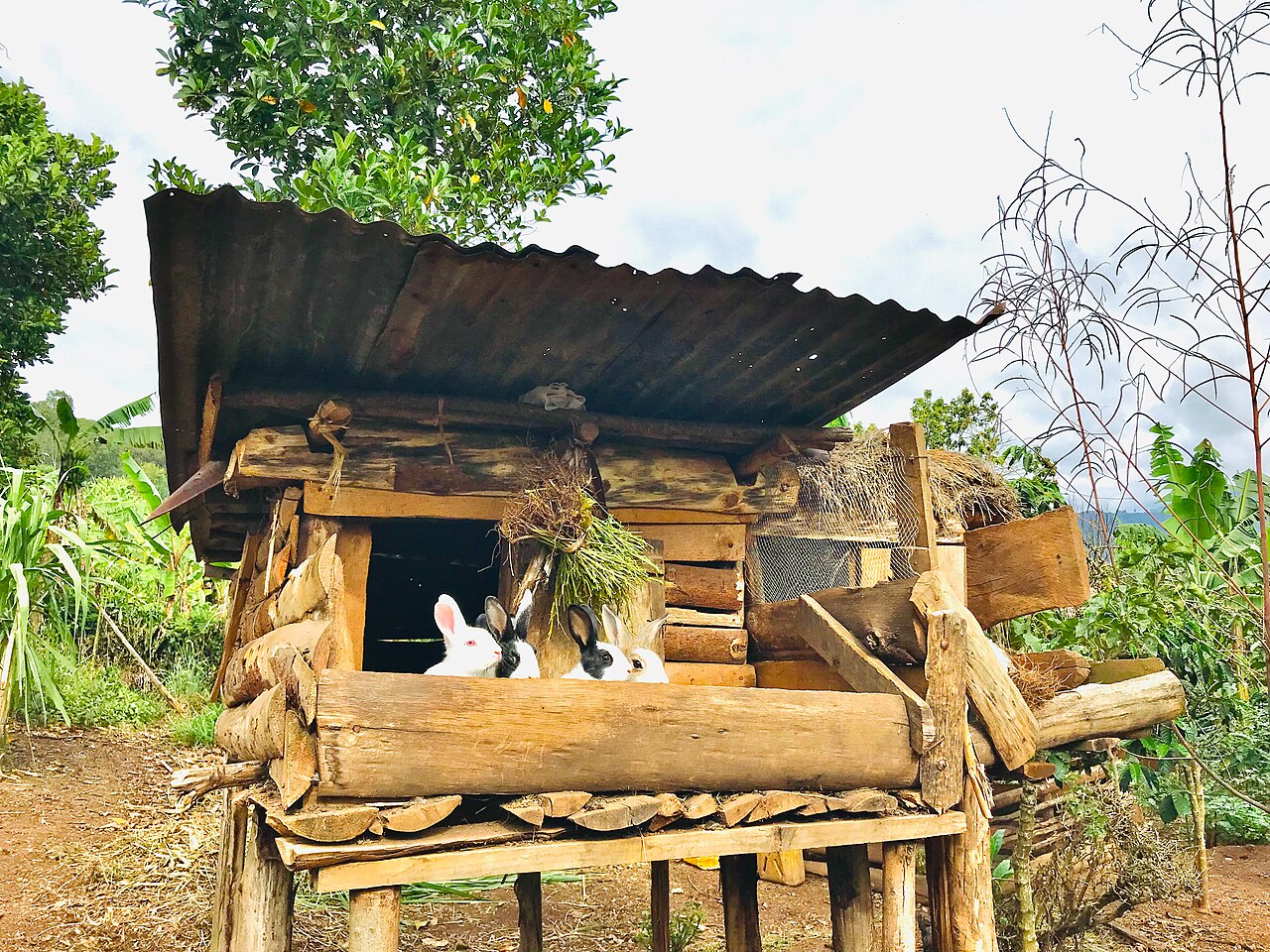
When comparing indoor vs outdoor rabbits, neither life is automatically better: indoor rabbits usually get more company, easier health monitoring and full protection from weather and predators, while outdoor rabbits can have generous space and fresh air but need strong shelter, security and deliberate daily attention. The right choice depends on your home, your climate, the space you can offer and how much daily contact you can realistically give.
What is not optional in either case is the standard of care: a dry, draught-free shelter, room to exercise, companionship — rabbits are social animals — and daily checks. Where those needs are met matters less than whether they are met.
The Comparison at a Glance
| Factor | Indoor rabbits | Outdoor rabbits |
|---|---|---|
| Company and bonding | Constant contact with the household; bonding happens naturally through daily life | Contact depends on you going out to them; easy to give less attention in bad weather |
| Weather exposure | Fully protected from heat, cold, wind and rain | Exposed unless housing is well sheltered and insulated; heat is a particular risk |
| Predators and security | No predator risk; main hazards are household ones such as cables | Foxes, dogs and other predators are a real threat; housing must be genuinely secure |
| Health monitoring | Changes in eating, droppings and behaviour are easy to spot quickly | Problems can be missed longer, especially in winter when visits are shorter |
| Space | May be limited by room size, though free-roam time can add a lot | Gardens often allow larger enclosures and runs |
| Smells and cleaning | Smells are inside your home; litter routines need to be frequent | Smells stay outside; cleaning is muddier work in wet weather |
| Cost and effort | Proofing and flooring protection; no weatherproof housing to build | Secure, insulated housing and runs cost more to set up and maintain |

Company and Bonding
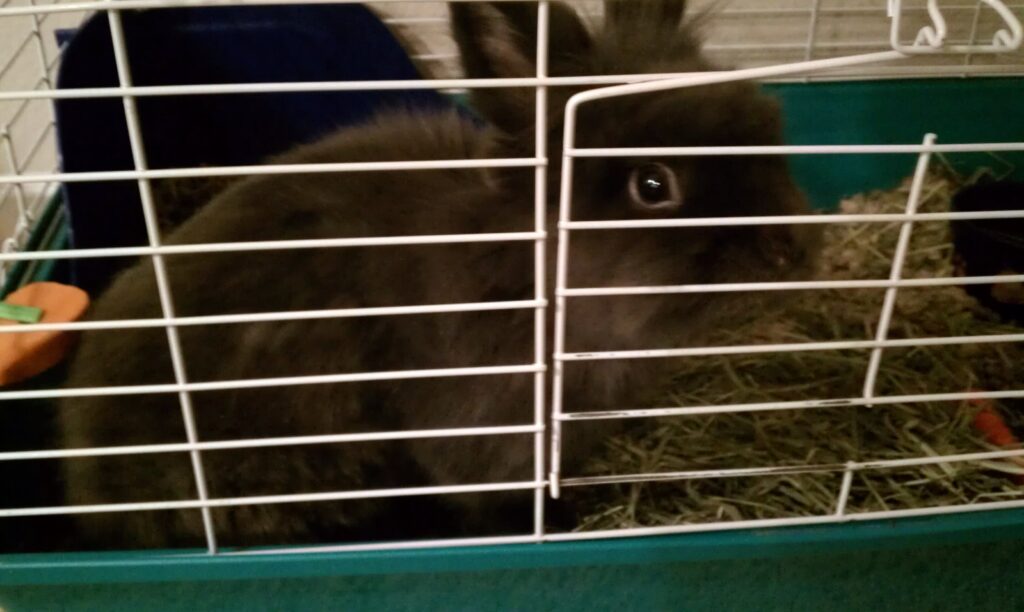
Rabbits are social animals, and company is a welfare need, not a bonus. Ideally a rabbit lives with at least one other compatible rabbit; a lone rabbit, indoors or out, can be lonely even with attentive owners. Indoor rabbits additionally get hours of incidental human company — voices, movement, and interaction woven through the day — and owners usually find bonding happens almost by itself. Our guide to the best indoor housing for rabbits shows how indoor setups support that contact.
Outdoor rabbits can bond just as well with their owners, but it takes deliberate effort: time spent in the run with them every day, in all weathers, not just feeding visits. Be honest about whether dark, wet evenings will shorten that time — for many families, they do.
Weather: The Outdoor Challenge
Weather is the biggest practical difference. Indoor rabbits never face it. Outdoor rabbits face all of it, and two extremes matter most. Heat is dangerous: rabbits cope poorly with high temperatures and can overheat quickly, so outdoor housing must sit in shade with good airflow, and owners must actively cool the space in hot weather — see our guide on how to keep a rabbit cool. Cold and damp are the winter problem: housing must be dry, draught-free and insulated, with plenty of bedding, and water must be checked for freezing — our article on how to keep rabbits warm in winter covers the detail.
Rain and wind find every weakness in outdoor housing. A hutch that seems fine in spring can be damp by November, and damp, draughty conditions are hard on rabbits’ health. If your garden cannot offer a sheltered position, that is a strong argument for indoor living.
Predators and Security
Outdoors, security is a serious responsibility. Foxes are persistent and strong, neighbourhood dogs can be a threat, and even the sight and sound of a predator can frighten a rabbit badly. Outdoor housing needs strong welded mesh rather than flimsy chicken wire, secure bolts that animals cannot nudge open, and a run with a covered top and protection against digging in from below. Indoors, this entire category of risk disappears — the hazards change to household ones, such as cables, which our guide on how to rabbit proof a home covers room by room.
Health Monitoring
Rabbits hide illness, so spotting trouble early depends on how closely you observe them day to day. Indoors, you see your rabbit constantly: a missed meal, smaller droppings, unusual quietness or a change in litter habits stands out quickly, and early changes are often the difference between a simple vet visit and an emergency. Our article on the signs your rabbit is sick lists what to watch for.
Outdoor owners can monitor just as well, but only with a deliberate routine: at least twice-daily checks in which you watch the rabbit eat and move, check droppings and water, and handle them regularly rather than just glancing in. If your schedule makes that unrealistic, indoor living gives your rabbit a real safety advantage.
Space, Smells, Cleaning, Cost and Effort
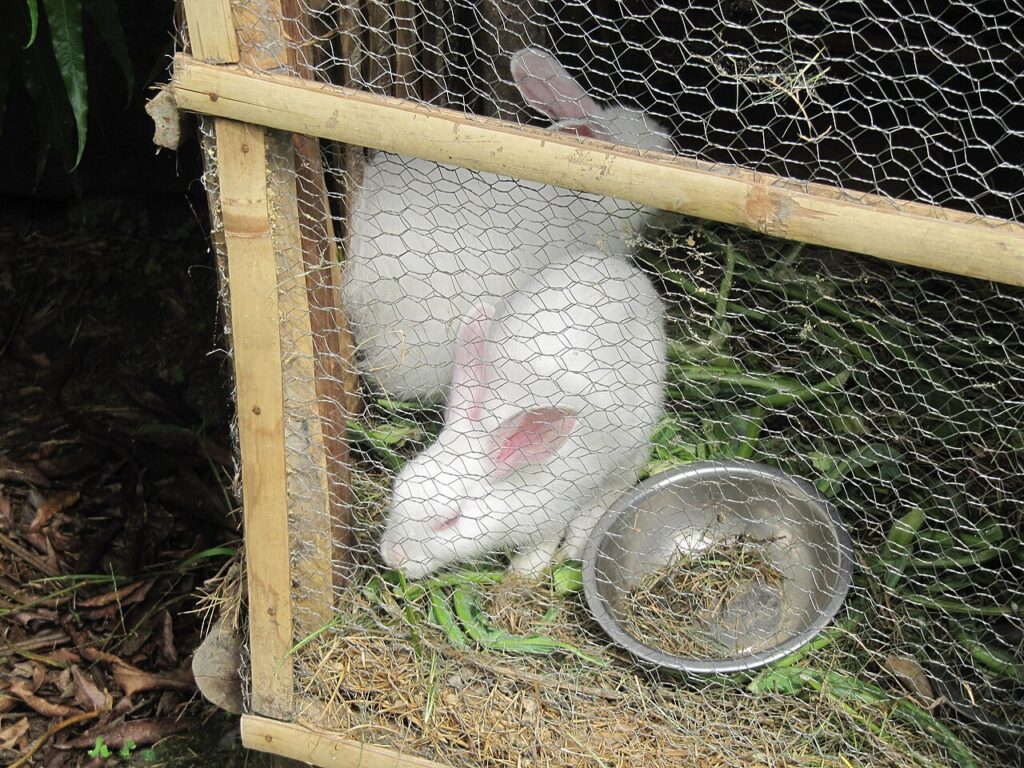
Gardens often win on raw space: a large enclosure with a permanent run is easier to achieve outdoors than in a spare room, and rabbits use every bit of it. Indoors, space depends on the room and on how much supervised free-roam time you can offer. On smells and cleaning, both need the same litter routine — indoors you will notice any lapse immediately, while outdoor cleaning involves the same jobs done in worse weather.
Costs differ in shape rather than size. Indoor keeping needs proofing, flooring protection and possibly furniture guards. Outdoor keeping needs secure, weatherproof, insulated housing with a run, plus ongoing maintenance against weather damage — generally the more expensive setup to do properly. Effort is daily in both cases: feeding, water, litter, exercise and health checks do not shrink because the rabbit lives outside.
One more practical point is flexibility. Life changes — a house move, a new baby, a change in working hours — and an indoor rabbit’s routine usually adapts with the household automatically. An outdoor setup is fixed in the garden, so think about whether the space, and your willingness to be out in it every day, will still work in a few years’ time, not just this season. Choosing the arrangement you can sustain is itself a welfare decision.
If You Choose Outdoors: Non-Negotiables
- Companionship: keep at least a compatible pair; a lone outdoor rabbit has the least company of any arrangement.
- Shelter: dry, draught-free, insulated housing, positioned out of wind and harsh sun, raised off damp ground.
- Security: strong mesh, predator-proof locks, a covered run and protection from digging.
- Daily contact and checks: at least twice a day, watching eating, droppings and behaviour — not just topping up food.
- Weather plans: shade and cooling for heat; extra bedding, insulation and ice checks for cold.
Decision Checklist
- Do I have a room indoors where a rabbit can live and exercise safely?
- Does my garden offer a sheltered spot, and can I afford genuinely predator-proof, insulated housing?
- How extreme is my local weather — hot summers, hard winters, or both?
- Will I honestly spend daily time with an outdoor rabbit in bad weather?
- How quickly would I notice if my rabbit stopped eating, in each setup?
- Does anyone in the household have allergies or concerns about an indoor rabbit?
- Will my rabbit have the company of another rabbit either way?
If most answers favour one option, that is probably your answer. Hybrid arrangements exist too — many rabbits live indoors with supervised garden time, which combines indoor safety with outdoor enrichment.
Conclusion
Indoor vs outdoor rabbits is not a contest with a universal winner. Indoor life offers company, safety from weather and predators, and the easiest health monitoring; outdoor life can offer bigger space and fresh air but demands secure, insulated housing, real weather management and disciplined daily attention. Judge both options against the same standard — shelter, space, companionship and daily checks — and choose the one where you can genuinely meet it every day of the year. Next step: work through the checklist honestly for your own home.
Frequently Asked Questions
Are indoor rabbits happier than outdoor rabbits?
Not automatically. Rabbits are happiest with space, shelter, companionship and daily interaction. Indoor rabbits usually get human company more easily, but a well-kept outdoor pair with generous space and daily attention can thrive just as much.
Can an outdoor rabbit come indoors in winter?
Moving a rabbit between temperatures needs care, because sudden changes between a cold garden and a heated house are stressful. Many owners instead improve the outdoor shelter for winter. If you do bring a rabbit in, discuss the transition with your veterinarian and make it gradual where possible.
Is it cruel to keep a rabbit outdoors?
No, provided the housing is secure, dry, insulated and spacious, the rabbit has a companion, and you give daily checks and attention in all weathers. Outdoor keeping done poorly is the problem, not outdoor keeping itself.
Do indoor rabbits need to go outside?
They do not need to, but many enjoy supervised time on grass in a secure run, in mild weather. It is optional enrichment, not a requirement, and indoor rabbits can live full lives without it.
Which is cheaper, indoor or outdoor rabbits?
Outdoor keeping is usually more expensive to set up properly, because secure, weatherproof housing and runs cost more. Indoor keeping costs less in housing but needs proofing and flooring protection. Day-to-day food, hay and veterinary costs are the same.
Related Guides on RabbitCare
- Best Indoor Housing for Rabbits
- How to Keep a Rabbit Cool in Hot Weather
- How to Rabbit-Proof Your Home Room by Room
References
- House Rabbit Society (rabbit.org) — guidance on indoor living, housing and rabbit companionship.
- RSPCA — rabbit welfare guidance, including indoor and outdoor housing standards.