
Rabbit shedding season is the period when your rabbit replaces their old coat with a new one, and loose fur ends up on your clothes, your furniture and floating in the air. It is completely normal: rabbits moult in cycles throughout the year, with one or two heavier moults and lighter ones in between, and indoor rabbits may shed almost year-round because central heating and artificial light blur the seasons. Your job during a moult is simple — brush out the loose fur, keep hay and water always available, watch that eating and droppings stay normal, and know the difference between ordinary shedding and a skin problem that needs a vet.
This guide explains how moulting works, what a normal moult looks like, how long it tends to last, how to help your rabbit through it, and the warning signs that are not shedding at all.
Why Rabbits Shed: Moulting in Cycles
A rabbit’s coat is not permanent. Old hairs loosen and fall out as new ones grow through, keeping the coat in good condition and adjusting its thickness to the season. Wild rabbits moult mainly in response to changing daylight and temperature, growing a denser coat for winter and a lighter one for summer. Pet rabbits follow the same pattern, though often less tidily.
Most rabbits have heavier moults at certain times of year, with lighter shedding in between. Indoor rabbits, living with steady heating and electric light, often moult in a rolling, almost continuous way — it can feel as though there is always some loose fur about. Young rabbits also shed their soft baby coat as their adult coat comes in. None of this is a problem in itself. Shedding is coat maintenance, and a healthy rabbit comes through a moult with a sleek new coat underneath.
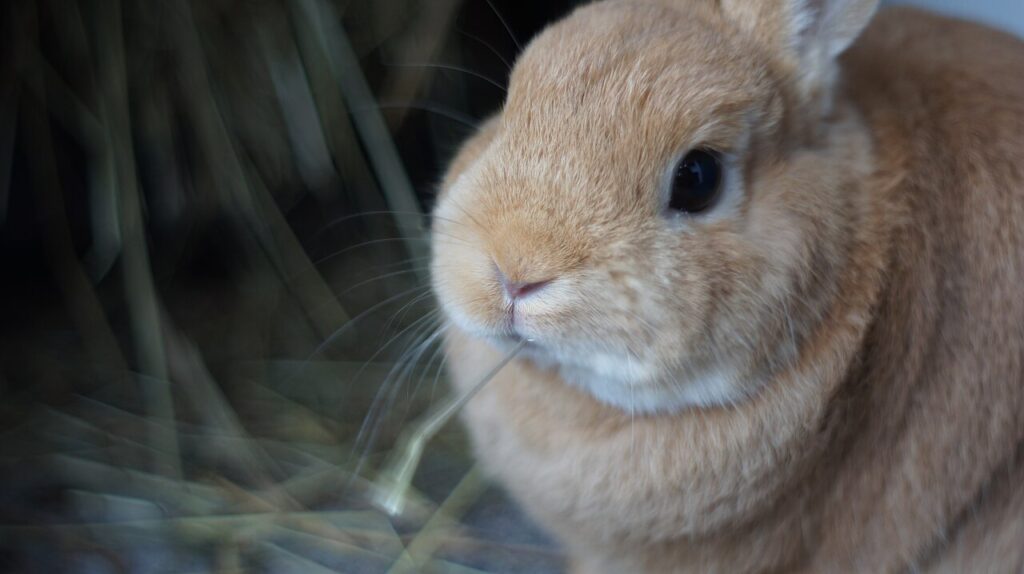
What Normal Shedding Looks Like
A moult rarely happens evenly all over the body. It often starts on the head and shoulders and works backwards, or begins along the back, and you may see a visible “tide line” where the old, longer coat meets the new, shorter coat growing in beneath. Common sights during a normal moult include:
- Fur everywhere — on bedding, on your hands after a stroke, and in little tufts around the enclosure.
- Patchy-looking patterns, where one area looks shorter or a slightly different shade because the new coat is showing through. The skin underneath should look normal.
- Loose tufts that lift away easily when you run your hand over the coat — this fur was ready to come out.
- Temporary coat lines and ridges, especially across the back and flanks, which even out as the moult completes.
- A bonded partner with fur on their face — companions groom each other and collect the evidence.
The key test of normal shedding: the skin beneath is clean, calm and unbroken, new fur is visibly growing in, and your rabbit is eating, drinking and behaving as usual.
How Long Does a Moult Last?
It varies a great deal between rabbits. A light moult may pass in a week or two; a heavy seasonal moult can roll on for several weeks, sometimes in waves that seem to finish and then start again as another section of coat lets go. Breed, coat length, age, health and whether a rabbit lives indoors or outdoors all make a difference. Long-haired rabbits often appear to shed for longer simply because there is more coat to replace.
Rather than counting days, judge by progress: the loose fur gradually reduces, the new coat fills in evenly, and your rabbit stays bright and hungry throughout. A moult that drags on with bald areas, sore skin or a rabbit who goes off their food is not something to wait out — that pattern points to a health issue, not a slow coat change.
How to Help Your Rabbit Through a Moult
Brush more often
Brushing is the single most useful thing you can do. Every hair you collect on the brush is one your rabbit does not swallow while grooming. Increase brushing during a heavy moult — short, gentle sessions every day or two suit most rabbits better than one long session. Work in the direction of the coat, support your rabbit securely on a non-slip surface or your lap, and stop for a break if they become restless. For choosing tools, see our guide to the best brush for rabbits.
Remove loose fur by hand
Between brushings, dampen your hands slightly and stroke firmly over the coat — loose hair clings to your palms and lifts away in sheets. You can also gently pluck tufts that are clearly loose and coming away on their own. Never pull at fur that resists: if it does not release easily, it is not ready, and tugging hurts and can damage skin.
Keep hay and water constantly available
During a moult your rabbit swallows more fur than usual, and the best support for their digestive system is fibre. Unlimited hay keeps the gut moving and helps swallowed hair pass through in the droppings rather than building up. Fresh water should always be within reach too — a well-hydrated rabbit’s digestion works better. If hay intake drops, read our guide on why a rabbit stops eating hay.
Tidy the living space
Loose fur builds up in bedding and litter areas quickly during shedding season. Shake out bedding outdoors, change litter a little more often, and wipe surfaces with a damp cloth, which picks up hair better than dry dusting.
Swallowed Fur and Gut Health
Rabbits groom thoroughly and cannot vomit, so swallowed fur has only one way out: through the digestive system. In a rabbit eating plenty of hay, hair normally passes through mixed with droppings without any trouble — you may even see droppings loosely strung together by hairs during a heavy moult, which usually resolves as the moult eases.
The risk comes when gut movement slows. Fur plus too little fibre is a poor combination, and a slowdown can develop into gut stasis, a serious condition. So during shedding season, watch the basics daily:
- Appetite: your rabbit should be keen for hay and food as usual.
- Droppings: plentiful, round and a good size. Noticeably fewer or much smaller droppings are an early warning.
- Behaviour: a rabbit sitting hunched, quiet and uninterested in food is not “just moulting”.
If your rabbit stops eating, droppings dwindle, or they seem unwell, contact a rabbit-experienced veterinarian the same day. Not eating is an emergency in rabbits, whatever the season. Our guides on rabbit gut stasis and the signs your rabbit is sick explain what to watch for.
What Is NOT Normal Shedding
Shedding should never leave skin exposed or irritated. Book a vet visit if you see any of the following, because they suggest skin disease or parasites rather than a moult:
- Bald patches where no new fur is growing through.
- Flaky, crusty or thickened skin, white dandruff-like flakes in the coat, or sore, red areas.
- Scratching, biting at the skin, head shaking or general restlessness.
- Broken fur in one localised area, sores, scabs or any wound.
- Loss of appetite or weight alongside coat changes.
Fur mites and other parasites are common culprits behind flaky skin and patchy coats in rabbits, and they need proper veterinary diagnosis and treatment — never apply dog or cat flea products or any medication unless a vet has prescribed it for your rabbit. Our overview of rabbit parasites explains more.
Managing Fur in Your Home
A moulting rabbit can fur up a home remarkably fast. A few habits keep it manageable:
- Brush in one spot — ideally outdoors or on a washable mat — so the hair is contained rather than distributed.
- Use a damp hand or rubber grooming glove on soft furnishings; hair rolls up and lifts off far better than with a dry brush.
- Wash blankets and fleeces from the enclosure regularly, shaking them outside first.
- Vacuum little and often around the enclosure during a heavy moult — five minutes daily beats an hour at the weekend.
- Keep a lint roller by the door for clothes. You will use it.
Conclusion
Rabbit shedding season is normal, manageable and, for most rabbits, over within a few weeks. Support your rabbit with more frequent gentle brushing, hand-removal of loose tufts, and endless hay and water to keep swallowed fur moving through. Watch appetite and droppings daily, and remember what shedding is not: bald patches, flaky or sore skin and scratching mean a vet visit, not more brushing. Help the coat out, keep the gut moving, and your rabbit will come through the moult sleek, comfortable and ready for the new season.

Frequently Asked Questions
How often do rabbits shed?
Rabbits moult in cycles through the year, usually with heavier seasonal moults and lighter shedding in between. Indoor rabbits often shed lightly almost year-round because heating and artificial light soften the seasonal signals. Every rabbit’s pattern is a little different.
How long does rabbit shedding season last?
A light moult may finish within a week or two, while a heavy seasonal moult can continue for several weeks, sometimes in waves across different parts of the body. Judge by steady progress and a healthy, eating rabbit rather than by the calendar.
Is it normal for my rabbit to have bald patches when shedding?
No. Normal moulting may look patchy where the new coat shows through, but bare skin with no new growth, flaky or sore skin, or scratching suggests mites or another skin problem. That needs a vet, not waiting for the moult to end.
Can swallowed fur make my rabbit ill?
Swallowed fur normally passes through in the droppings, especially in rabbits eating lots of hay, which keeps the gut moving. Problems arise if gut movement slows. If your rabbit stops eating or droppings become few and small, contact a vet the same day.
How often should I brush my rabbit during a moult?
Little and often works best: short, gentle sessions daily or every other day during a heavy moult, easing back once the loose fur reduces. Add damp-hand stroking between sessions to lift loose hair before your rabbit grooms it off themselves.
Related Guides on RabbitCare
- Best Brushes for Rabbits
- How Often Should You Brush a Rabbit?
- Rabbit Gut Stasis: Signs and What to Do
References
- House Rabbit Society (rabbit.org) — guidance on rabbit moulting, grooming and coat care.
- RSPCA — advice on rabbit grooming, health checks and welfare.