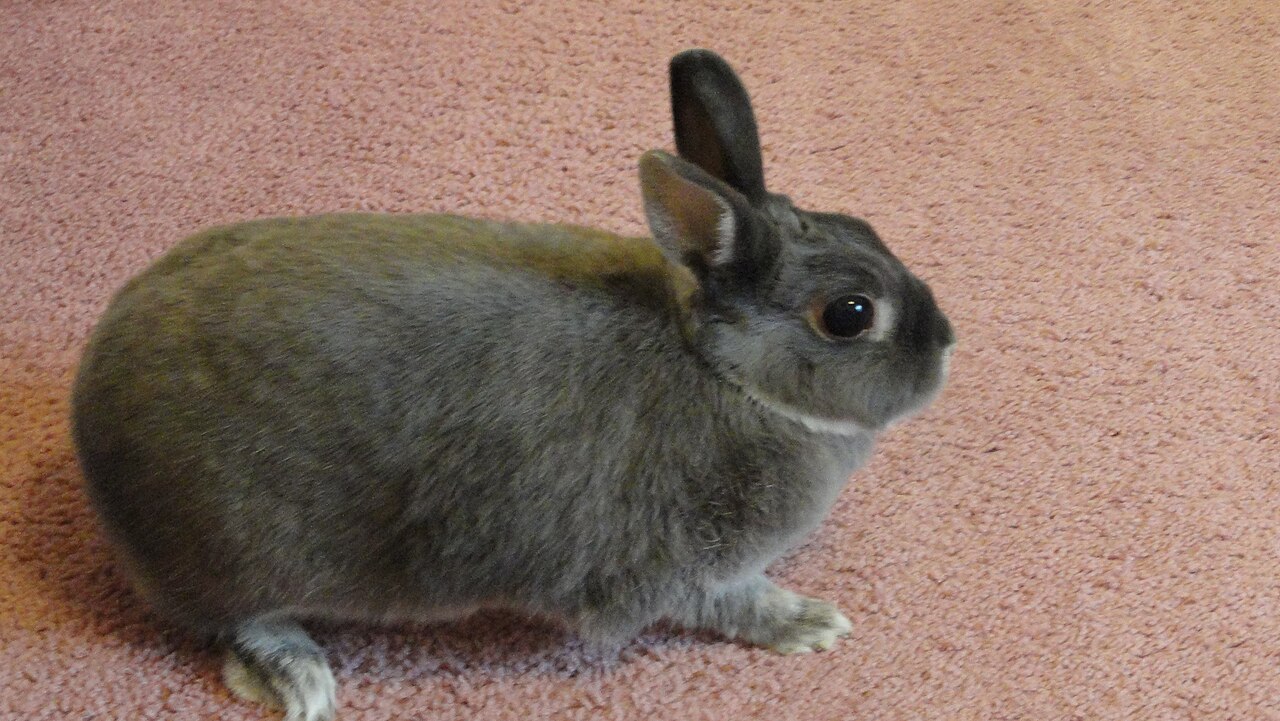
The best brush for rabbits depends on your rabbit’s coat, and for most owners a small kit of two or three different types covers everything: a soft bristle brush for everyday tidying, a rubber grooming mitt for gentle loose-fur removal, and a fine comb for checking long coats and teasing out tangles. Rabbit skin is thin and easily scratched, so gentleness matters more than efficiency — the right brush used lightly will always beat a powerful one used firmly. This guide compares the main brush types without brands or prices, shows you how to match them to coat length, and explains how to introduce a new brush so your rabbit actually enjoys being groomed.
If you are buying your first rabbit brush, start with the type that suits your rabbit’s coat length from the table below, and add a comb if there is any length to the fur.
Why the Brush Type Matters
Rabbits are not small dogs. Their skin is thinner than most pets’, it tears and scratches more easily, and their coats range from very short and dense to long, fine and tangle-prone. A brush designed to strip a thick double coat can scrape a rabbit’s skin in a single careless stroke. Brushing also has a real job to do beyond tidiness: it removes loose fur before your rabbit swallows it while self-grooming, lets you check the skin and coat closely, and — done well — becomes handling time your rabbit looks forward to. Choosing by type, rather than by marketing claims, keeps those priorities straight.
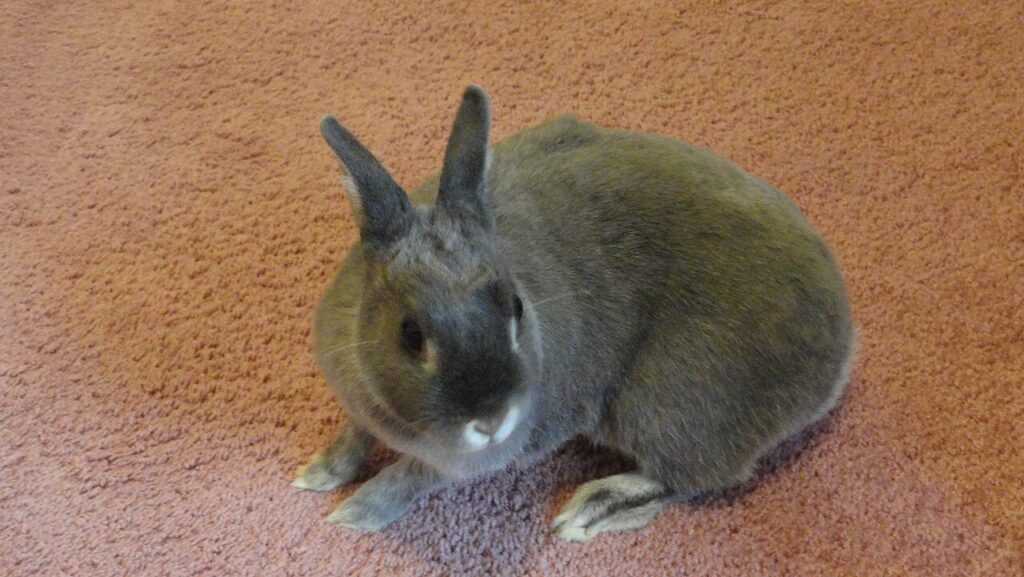
The Main Brush Types, Compared
Soft bristle brush
A brush with short, densely packed soft bristles — natural or synthetic — is the everyday workhorse for short and medium coats. It smooths the coat, lifts surface dust and light loose fur, and gives a finished look after a moult. Because the bristles are soft and flexible, it is very forgiving on skin, and most rabbits accept it happily. Its limit is depth: it skims the surface and will not reach an undercoat or find small mats hiding underneath, so pair it with a comb for thorough sessions.
Rubber grooming mitt or palm brush
A rubber mitt worn on your hand, or a palm-sized rubber brush, collects loose fur as you stroke your rabbit, helped by a little static and the soft grip of the rubber nubs. It is the gentlest option of all and the one most likely to be accepted by nervous rabbits, because it feels like being stroked rather than being groomed with a tool. It is ideal during shedding, for rabbits who dislike brushes, and as a first “brush” for a young or newly adopted rabbit. It will not detangle anything, but for loose-fur removal on a short coat it is hard to beat.
Fine comb
A metal or sturdy comb with closely spaced teeth is the checking and detangling tool. Run gently through a coat, it finds the tangles and small mats a brush slides over, lifts out loose undercoat, and reveals skin problems, debris or anything hiding in the fur. It is essential for long-haired rabbits and very useful on any coat during a heavy moult. The technique matters: comb in small sections, support the fur at the roots with your other hand so the comb does not drag on the skin, and tease tangles apart gradually rather than pulling through them.
Slicker brush — with caution
A slicker has a bed of fine, angled wire pins and is designed to pull loose fur from dense coats. On rabbits it needs genuine caution. Those pins can scratch thin rabbit skin without you realising, especially over bony areas like the spine and hips, and a slicker used with normal dog-grooming pressure is too harsh. If you use one at all, reserve it for long, thick coats, use the lightest possible touch, let the brush glide over the surface rather than pressing in, and stop immediately if your rabbit flinches or the skin looks pink afterwards. Many rabbit owners find a comb does the same job more safely.
Fabric fur removers and lint rollers
Sticky lint rollers and fabric fur-remover brushes are for your clothes, sofa and the enclosure fleece — not for the rabbit. Sticky sheets can pull painfully at fur and leave residue on the coat, and they remove nothing from the rabbit that a mitt would not remove more kindly. Keep them in the kit by all means, but for tidying up after the grooming session, not during it.
Comparison Table
| Brush type | Best for | Coat types | Cautions |
|---|---|---|---|
| Soft bristle brush | Everyday tidying and finishing | Short and medium | Surface only — will not find mats |
| Rubber mitt / palm brush | Loose fur, nervous rabbits, shedding season | Short and medium; gentle enough for most | Cannot detangle |
| Fine comb | Checking for mats, undercoat, detangling | Medium and long; useful on all coats | Never drag through tangles; support fur at roots |
| Slicker brush | Loose fur in long, thick coats | Long only | Wire pins can scratch thin skin — lightest pressure only |
| Lint roller / fabric remover | Clothes, furniture and fleece after grooming | Not for use on the rabbit | Sticky sheets can pull fur and leave residue |
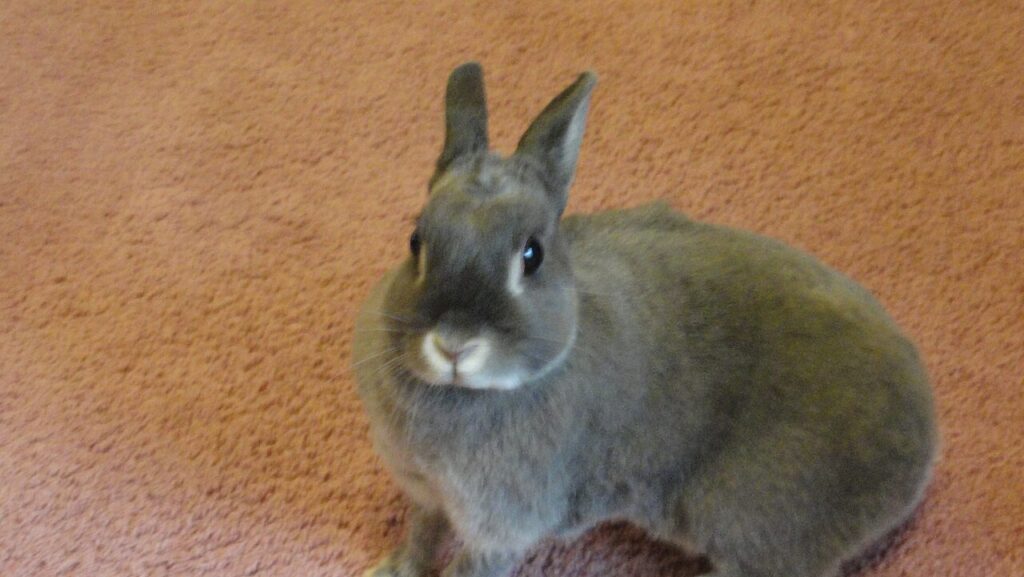
Matching Brush to Coat Length
Short coats
Most rabbits have short coats, and their needs are simple: a soft bristle brush for regular sessions and a rubber mitt for moulting periods, when loose fur comes away in quantity. Brush in the direction of the fur, once or twice a week in normal times and more often during a shed, following the rhythm in our guide to how often to brush a rabbit.
Medium coats
A slightly longer or denser coat benefits from all three core tools: bristle brush for finishing, mitt for loose fur, and a comb passed through weekly to check for tangles behind the ears, around the bottom and in the “skirt” of fur around the hindquarters, where mats tend to start.
Long coats
Long-haired rabbits need the comb most of all. Comb through in small sections several times a week to keep the coat free of tangles, use the bristle brush or mitt for surface finishing, and consider a slicker only if the coat is very thick and you can use it with a feather-light touch. Our guide to long-haired rabbit grooming covers the full routine, and our guide to grooming a rabbit at home brings all the grooming tasks together.
Introducing a New Brush
A rabbit who has decided brushes are unpleasant is hard to win back, so introduce any new tool gradually, in the same way you would build up any handling:
- Let your rabbit inspect it. Put the brush on the floor during playtime and let them sniff and chin it without anything happening.
- Pair it with food. Offer a favourite green while the brush is nearby, then while you hold it.
- Start with the mitt or your hand. A few strokes with a rubber mitt feel like stroking and make a gentle first step before trying a bristle brush or comb.
- Brush briefly, then stop. Two or three strokes on the back, a treat, and finish. End while your rabbit is still relaxed.
- Build up over sessions, adding the cheeks, sides and eventually trickier areas only as your rabbit stays calm, and keep sessions short and regular rather than rare and long.
Our guide to handling a rabbit during grooming covers safe positions and support if your rabbit is wiggly or unsure.
What to Avoid
- Stiff metal pins used roughly. Any wire brush pressed into the coat or dragged over bony areas can scratch or tear rabbit skin.
- Anything that pulls the skin. If a tool drags, snags or makes your rabbit flinch, stop — work tangles out with fingers and a comb instead.
- Brushing sore, red or broken skin. Leave the area alone and see a vet if the skin looks sore or damaged; grooming over it will hurt and may worsen it.
- Sticky rollers on the rabbit, as explained above.
- Sharing unwashed brushes between rabbits with skin problems — if one rabbit has any skin issue, keep their brush separate and ask your vet about cleaning, since some skin conditions spread.
Cleaning and Storing Brushes
Brushes work better and stay hygienic with minimal effort. Pull or comb the collected fur out after every session — a fine comb clears a bristle brush quickly. Wash brushes and mitts regularly in warm water with a little mild soap, working the soapy water through bristles and around rubber nubs, then rinse well and dry thoroughly before the next use; a comb can be washed the same way and dried to protect the metal. Store brushes somewhere dry, and check wire pins and bristles occasionally: a brush with bent, broken or sharp pins should be replaced, because damaged pins are exactly what scratch skin.
Conclusion
Choosing the best brush for your rabbit is about matching type to coat and keeping everything gentle: a soft bristle brush and a rubber mitt cover most short and medium coats, a fine comb is essential for checking and for long fur, and a slicker, if used at all, belongs on thick long coats with the lightest of touches. Introduce new tools gradually, never groom sore skin, and keep brushes clean. With the right simple kit, grooming becomes a calm routine that keeps loose fur under control and gives you a regular close look at your rabbit’s skin and coat.
Frequently Asked Questions
What is the best brush for a short-haired rabbit?
A soft bristle brush is the best everyday choice for a short coat, with a rubber grooming mitt added during shedding to lift loose fur. Neither can scratch the skin when used normally, and together they cover routine grooming and moults.
Are slicker brushes safe for rabbits?
Only with real caution, on long, thick coats, using the lightest possible pressure. The fine wire pins can scratch a rabbit’s thin skin, especially over the spine and hips. A fine comb achieves similar results more safely and is the better default choice.
What brush should I use for a long-haired rabbit?
A fine comb is the essential tool for long coats, used in small sections several times a week to prevent tangles and mats. Add a soft bristle brush or rubber mitt for surface finishing, and see our long-haired rabbit grooming guide for the full routine.
Can I use a lint roller on my rabbit?
No. Lint rollers and sticky fur removers are for clothes and furniture. On a rabbit they can pull at the fur, leave sticky residue on the coat and remove nothing that a rubber mitt would not remove more gently.
How do I clean my rabbit’s brushes?
Remove collected fur after each session, then wash brushes, mitts and combs regularly in warm water with a little mild soap, rinse thoroughly and dry completely before the next use. Replace any brush with bent or broken pins, as damaged pins can scratch the skin.
Related Guides on RabbitCare
References
- House Rabbit Society (rabbit.org) — guidance on rabbit grooming, handling and coat care.
- RSPCA — advice on rabbit grooming, health checks and daily care.