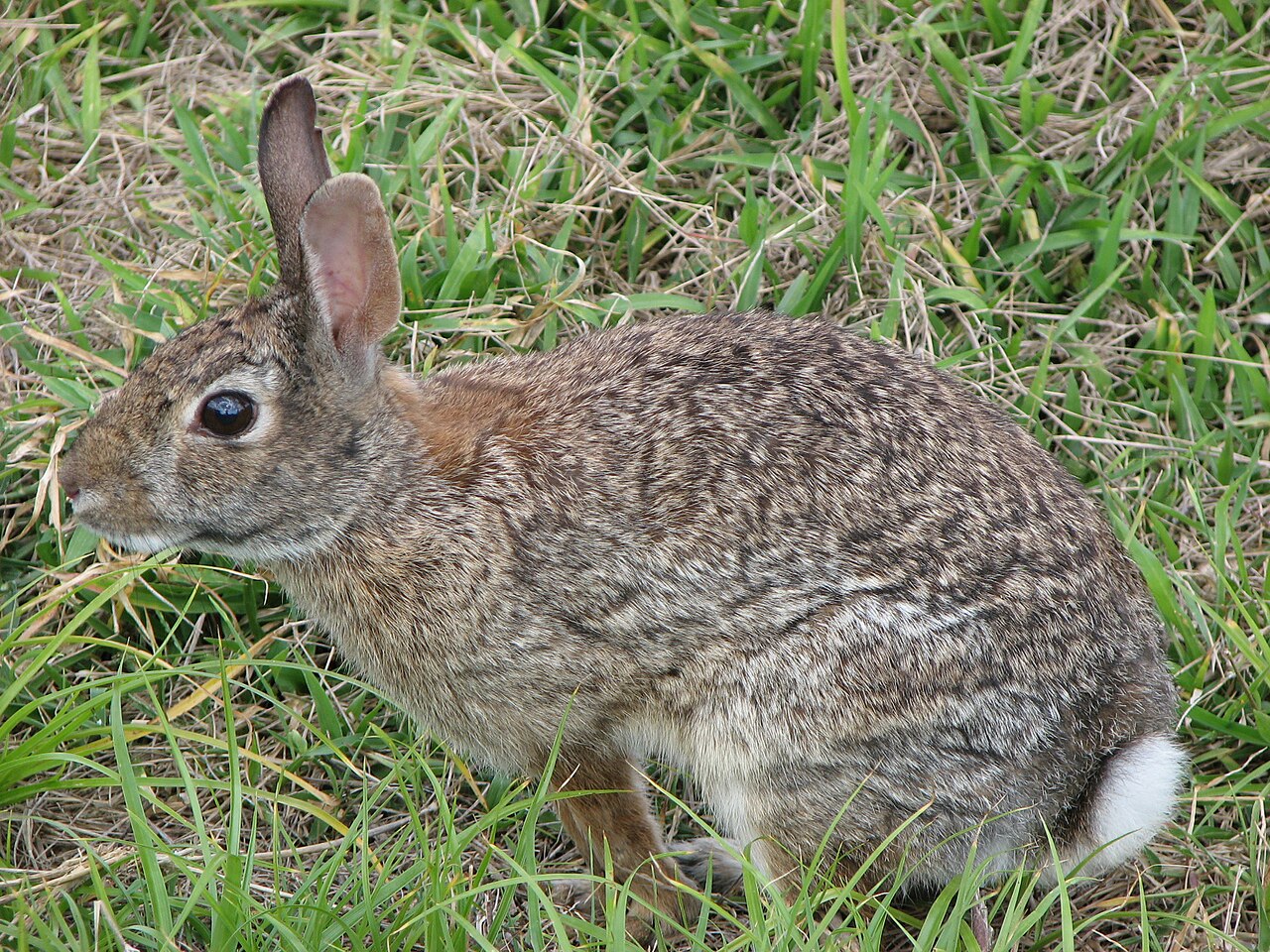
Every rabbit needs at least one good hiding place, and providing proper rabbit hiding places is one of the simplest welfare improvements you can make. Rabbits are prey animals, so the urge to duck out of sight when something startles them is hardwired. A rabbit with nowhere to hide lives with constant low-level stress, while a rabbit who can retreat to a safe, enclosed spot whenever they choose will relax, explore more confidently and settle far better in your home.
This guide explains why hiding is normal and necessary, what makes a good hideaway, which options suit most rabbits, and where to place them. It also covers cardboard safety and the point at which hiding stops being ordinary behaviour and becomes a reason to check your rabbit’s health.
Why Hiding Is Normal, Healthy Behaviour
In the wild, rabbits survive by being alert and by having a burrow to bolt to. Your pet rabbit has the same instincts, even if the scariest thing in their world is the vacuum cleaner. When a rabbit dashes into their hideaway at a sudden noise, a visitor’s footsteps or the shadow of a bird passing the window, they are not being unfriendly or badly behaved. They are doing exactly what a rabbit is designed to do.
Hiding places also serve everyday purposes beyond emergencies. Rabbits like to nap somewhere enclosed and dim during the quiet middle of the day, and a hideaway gives them a private space that is entirely their own. Rabbits who can choose when to be social and when to withdraw are generally calmer and more trusting, because they know an escape route is always available. Trying to drag a rabbit out of their hideaway for attention undermines that trust, so as a general rule, let your rabbit come out in their own time.
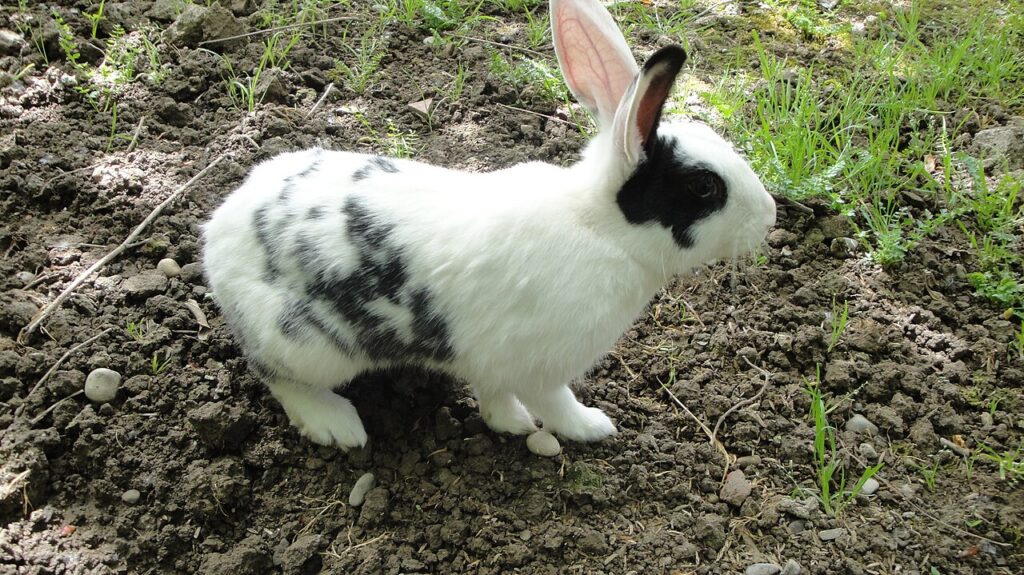
How Many Hideaways Does a Rabbit Need?
The minimum is one hiding place per rabbit, inside the main enclosure. Bonded rabbits often enjoy snuggling into the same hideaway, but each rabbit still needs the option of being alone, so offer at least one hide per rabbit plus ideally one extra. This matters most in bonded groups, where a rabbit who has had a minor disagreement with a companion needs somewhere separate to cool off.
Size matters too. A hideaway should be big enough for the rabbit to turn around comfortably inside and to lie stretched out if they wish. For a pair who like to share, choose the larger option rather than watching two rabbits squeeze into a house built for one. If you keep larger breeds, check internal dimensions carefully, as many commercial hideaways are sized for small rabbits only.
Why two exits are better than one
Where possible, choose or make hideaways with more than one exit. A single-entrance house can feel like a trap to a prey animal, because a rabbit who is cornered inside has no escape route if something approaches the doorway. Two openings mean your rabbit can always leave by the other side, which makes the hideaway feel genuinely safe. It also prevents squabbles in multi-rabbit homes, where one rabbit blocking the only entrance can trap a companion inside.
What Makes a Good Hideaway?
A good hideaway is enclosed enough to feel secure, sturdy enough not to collapse, and made from materials that are safe if chewed. Look for these qualities:
- Covered and enclosed, with walls and a roof or overhead cover, so the rabbit feels hidden from above as well as from the sides.
- Heavy or stable enough that it will not tip over when your rabbit hops in at speed or leans against it.
- Chew-safe materials such as plain cardboard, untreated wood or woven natural fibres, because most rabbits will gnaw their hideaway eventually.
- Easy to clean or cheap to replace, since hideaways absorb odours and are often used as sitting spots.
- No sharp edges, small gaps or dangling parts where a head, leg or tooth could get caught.
Suitable Hideaway Options
You do not need to spend much money. Some of the best-loved rabbit hiding places cost nothing at all.
| Option | Advantages | Things to watch |
|---|---|---|
| Cardboard boxes | Free, easy to cut two doorways, can be replaced when soiled or chewed | Remove tape, staples and glossy print first; replace when damp or heavily soiled |
| Wooden houses | Sturdy, long-lasting, often have flat roofs rabbits enjoy sitting on | Choose untreated wood; check for splinters and exposed screws as it ages |
| Tunnels | Provide cover while moving between areas; satisfy the burrowing instinct | Make sure the diameter suits your rabbit’s size; fabric tunnels need regular washing |
| Woven grass or hay houses | Safe to chew, cosy and natural | Can be destroyed quickly by enthusiastic chewers; treat as a consumable |
Many rabbits rotate between favourites, so offering two different types — say, a cardboard box inside the enclosure and a tunnel in the exercise area — gives them a choice of retreats for different moods.
Where to Place Hiding Places
Placement makes as much difference as the hideaway itself. Put the main hide inside the enclosure in a quiet corner, away from the litter tray and feeding area, so your rabbit can rest undisturbed. Position it against a wall rather than in the middle of open floor, because rabbits feel more secure with something solid behind them.
Add at least one hideaway in every exercise or free-roam area too. A rabbit who is startled at the far end of a room should not have to cross a wide, exposed space to reach safety. If your rabbit roams a large area, space hideaways at intervals along their usual routes. Our guide to best indoor rabbit housing covers how to arrange the whole living space around your rabbit’s needs.
Avoid placing hideaways next to radiators, in direct sun or in draughty spots. A hide that becomes uncomfortably hot or cold will simply be abandoned.
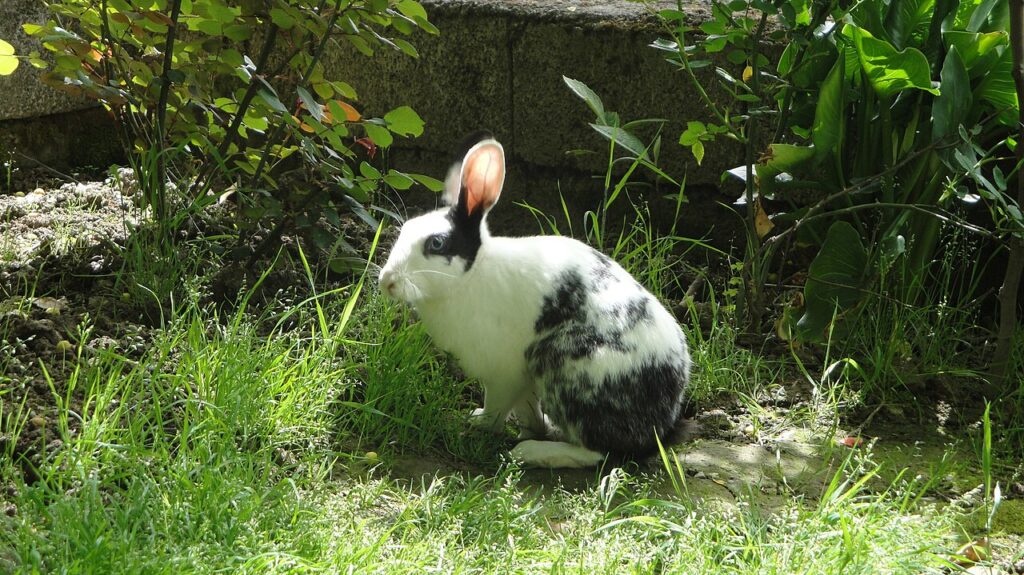
Cardboard Safety: Chewing, Tape and Print
Cardboard boxes are the classic rabbit hideaway, and small amounts of plain cardboard are generally passed without trouble because chewing and shredding is natural rabbit behaviour. That said, prepare every box properly before it goes in:
- Remove all tape, labels and staples. Adhesives and metal are not things you want your rabbit swallowing.
- Avoid heavily printed, glossy or waxed cardboard. Choose plain boxes with minimal ink, and peel off any shiny printed panels.
- Cut doorways rather than leaving flaps, so your rabbit cannot become tangled or trapped behind a half-closed flap.
- Replace boxes that are damp, soiled or collapsing. Wet cardboard harbours mould and stops being a pleasant place to rest.
If your rabbit is eating large quantities of cardboard rather than shredding and spitting most of it out, remove the box and offer a woven or wooden alternative instead, and mention it at your next veterinary check-up.
Helping a New or Nervous Rabbit Settle
Hiding places matter most in the first days in a new home. A newly adopted rabbit may spend much of the day inside their hideaway, and that is fine. Keep the hideaway stocked nearby with hay, place food and water within easy reach of it, and sit quietly near the enclosure so your rabbit can observe you from safety. Hand-feeding a favourite herb near the entrance, without reaching inside, builds trust at your rabbit’s pace. Most rabbits grow bolder within days once they learn the routine and realise nothing bad happens. A thoughtfully arranged space, as described in our guide to a rabbit room setup, speeds up that process.
Safety: When Hiding Becomes a Concern
Hiding on its own is normal. Hiding combined with other changes is a warning sign worth acting on. Contact a rabbit-experienced veterinarian if your rabbit is hiding much more than usual and you notice any of the following:
- Not eating, or eating noticeably less, and producing fewer or smaller droppings
- Sitting hunched, grinding their teeth, or seeming reluctant to move
- No interest in favourite foods they would normally come out for
- Unusual quietness, or a sudden change in temperament
Rabbits hide illness as instinctively as they hide from predators, so a rabbit who retreats and stops eating can be unwell even though nothing looks obviously wrong. Our guide to the signs your rabbit is sick explains what to look for, and appetite loss should always be treated promptly — our article on a rabbit not eating covers why it cannot wait. Also check that nothing in the environment has changed: a new pet, building work or a moved enclosure can all explain extra hiding in an otherwise well rabbit.
Conclusion
Rabbit hiding places are not optional extras; they are core equipment. Give every rabbit at least one enclosed, chew-safe hideaway in the enclosure and one in each exercise area, favour designs with two exits, place them in quiet corners, and prepare cardboard properly by removing tape, staples and glossy print. Then respect the retreat: a rabbit who knows they can always withdraw is a rabbit who will choose to spend time with you. Next step: check your rabbit’s current hideaway today and ask whether you would feel safe in it — if not, a plain cardboard box with two doorways cut in it is a five-minute upgrade.
Frequently Asked Questions
Is it normal for my rabbit to hide all day?
Rabbits are most active at dawn and dusk and rest for much of the day, often inside a hideaway, so daytime hiding is usually normal. Worry only if hiding increases suddenly or comes with not eating, fewer droppings or other illness signs.
How big should a rabbit hideaway be?
Big enough for your rabbit to turn around inside and lie down comfortably. For bonded pairs who share, choose a size up that lets both rest without squeezing, and always check the internal space suits larger breeds.
Are cardboard boxes safe for rabbits?
Yes, plain cardboard boxes make excellent hideaways once you remove tape, labels and staples and avoid glossy, heavily printed panels. Replace them when damp or soiled, and swap to wood or woven hideaways if your rabbit eats a lot of cardboard.
Should a hideaway have one entrance or two?
Two exits are better. A rabbit in a single-entrance house can feel trapped if something approaches the doorway, so a second opening makes the hideaway feel safer and prevents one rabbit trapping another inside.
Why does my rabbit sleep on top of the hideaway instead of inside?
Many rabbits use a flat-roofed house as a lookout perch as well as a shelter. It is normal behaviour and a sign your rabbit feels secure. Just check the roof is sturdy enough to take their weight.
Related Guides on RabbitCare
References
- House Rabbit Society (rabbit.org) — guidance on rabbit housing, behaviour and enrichment.
- RSPCA — rabbit welfare guidance, including housing and hiding places.