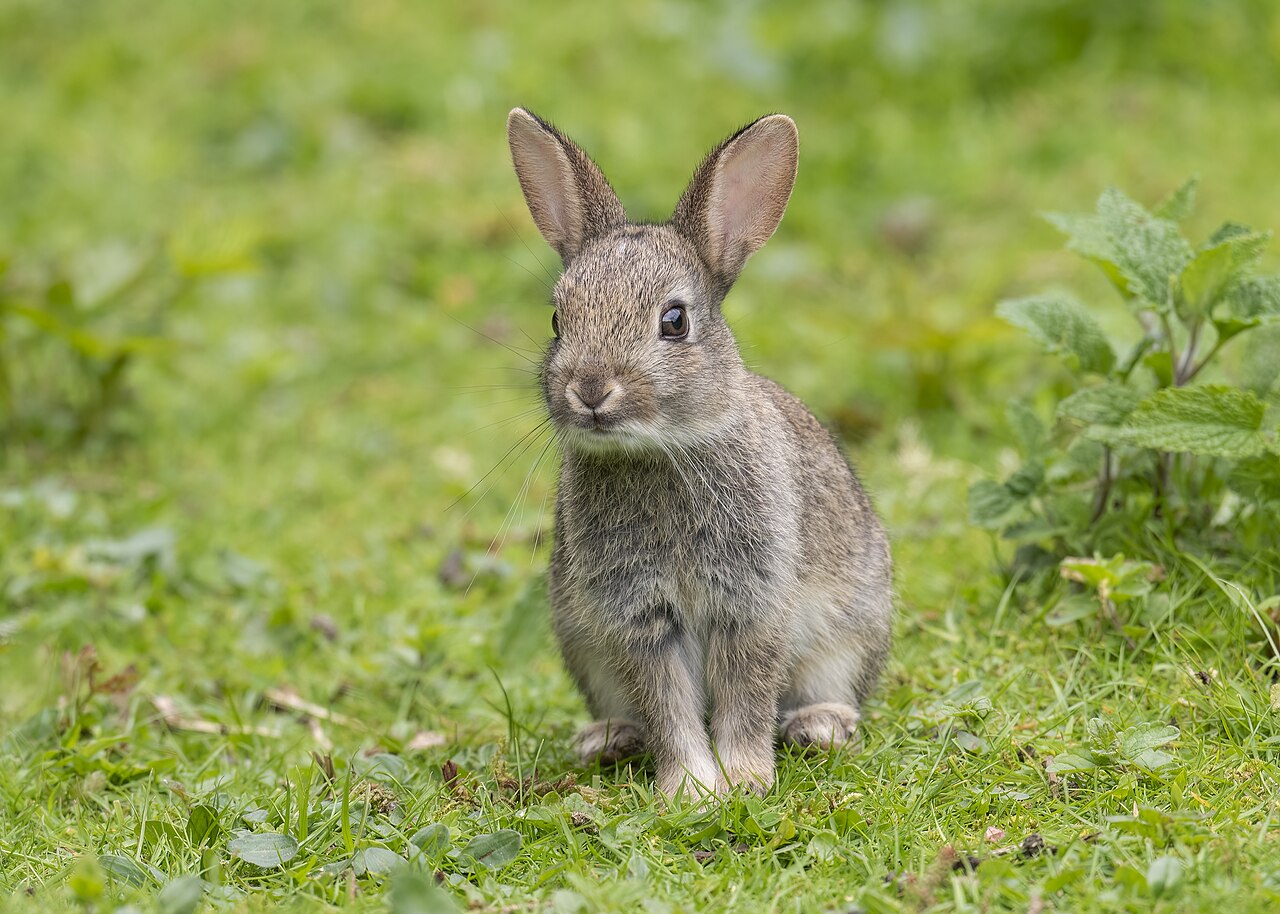
Good rabbit ear care is mostly about looking, not cleaning. Healthy rabbit ears generally look after themselves and do not need routine internal cleaning, drops or probing. Your role is simpler and safer: check the outside and visible opening of each ear regularly, learn what is normal for your rabbit, and book a veterinary appointment if you spot head shaking, persistent scratching, crusting, discharge, odour, or any change in balance or appetite. Most ear problems need a vet’s examination rather than home treatment.
This guide explains what healthy ears look like, how to do a gentle external check, and which signs point to rabbit ear mites or a rabbit ear infection.
What Healthy Rabbit Ears Look Like
A healthy rabbit’s ears are usually clean-looking, dry and comfortable. The skin you can see on the inside surface is smooth and unbroken, with no thick crusts, build-up, sores or strong smell. A small amount of pale wax deep in the ear can be normal, and it is also normal not to see much at all — the ear canal bends, so most of it is out of view.
Behaviour is part of the picture too. A comfortable rabbit holds its ears in their usual position, grooms normally, and shows no particular interest in them. Occasional ear flicks and a brief scratch are ordinary; a repeated pattern — scratching again and again, shaking the head often, or holding one ear differently — deserves attention. Because “normal” varies between rabbits, a regular weekly look helps you spot a change far sooner.

A Gentle External Ear Check, Step by Step
An ear check takes a minute and needs no equipment. Choose a settled moment, with your rabbit on your lap or a secure, non-slip surface, and stop if your rabbit becomes stressed.
- Watch first. Before handling, notice how your rabbit holds its ears and whether it is shaking its head or scratching.
- Look at the outer ear. Check the outside surface and fur around the base for sores, scabs, hair loss, redness or swelling.
- Look at the visible opening. In good light, gently hold the ear so you can see the inner surface and the opening. Look only — do not insert anything.
- Note what you see. Dry flaky skin, crusts, build-up, discharge or redness are all worth a veterinary conversation, even if your rabbit seems well.
- Smell, briefly. Healthy ears have little odour. A strong or unpleasant smell is a sign to book an appointment.
- Compare both ears. A problem affecting one ear only — one crusty ear, one ear held lower — is still a change worth reporting.
- Finish with the usual. Note appetite and droppings, as ear discomfort can sit alongside a rabbit eating less.
That is the whole of rabbit ear cleaning for most owners: external observation only.
Rabbit Ear Cleaning: What Is Safe and What Is Not
Routine deep cleaning is not part of normal rabbit care. The ear canal is narrow, bent and lined with sensitive skin, and the eardrum sits out of sight. Attempting to clean inside it can push debris deeper, damage the skin, cause pain, and mask signs a vet needs to see undisturbed.
Never do these things
- Never insert cotton swabs, buds, tweezers or anything else into the ear canal — not even “just a little way”.
- Never use ear drops a vet has not prescribed for that rabbit and that problem, including leftover drops from another pet.
- Never use dog or cat ear or mite products on a rabbit. Products made for other species can be unsafe for rabbits, and the correct treatment depends on a diagnosis.
- Never pick or scrape away crusts. Crusting can be painful and is a sign to be examined, not a cleaning job.
- Never pour water, oils or home remedies into the ear. Fluids trapped in the canal can make problems worse.
What you can safely do
If the outer surface simply has a little hay dust on it, brush it away gently with your fingers or a soft, dry cloth — on the outside only, without entering the opening. If you cannot remove something easily, or the skin underneath looks sore, stop and ask a vet instead.
Signs That Something Is Wrong
Book a veterinary appointment if you notice any of the following. None of these signs names its own cause — several different problems can look similar — which is why an examination matters.
- Frequent head shaking or holding the head at an angle
- Repeated scratching at one or both ears, sometimes enough to break the skin
- Crusting, thick flaky build-up or scabs inside the visible ear
- Discharge of any kind, or a strong or unusual odour from the ear
- Redness, swelling, sores or hair loss around the ear or its base
- Sensitivity or flinching when the ear or head is touched
- Head tilt, circling, wobbliness or loss of balance
- Reduced appetite, smaller droppings, quietness or hiding more than usual
Appetite deserves a special mention: rabbits in pain often eat less, and a rabbit that stops eating can deteriorate quickly. Ear signs alongside appetite loss should always be treated as more urgent, not less.
Rabbit Ear Mites: What Owners May Notice
Rabbit ear mites are tiny parasites that live in and around the ear and are a recognised cause of irritation and crusting in rabbits. Owners often first notice the effects rather than the mites themselves: a rabbit scratching at its ears, shaking its head, and developing dry, flaky or crusty build-up inside the visible ear.
You cannot confirm mites by looking at home, and similar crusting can have other causes. A veterinarian can examine the ear properly — often with an instrument that views the canal — and check whether mites or another problem is responsible. Treatment is then chosen by the vet, and rabbits living together may all need checking. See our guide to rabbit parasites for the wider picture.
Rabbit Ear Infection: Signs and Veterinary Diagnosis
A rabbit ear infection can involve the outer ear or deeper parts of the ear that cannot be seen from outside. Possible signs include discharge, odour, redness, head shaking, scratching, a head tilt, or a rabbit that seems off its food. Some infections sit deep enough that the outside looks almost normal, which is why persistent changes should never be dismissed.
Only a veterinarian can diagnose an ear infection, generally by examining the ear with proper equipment and, where the vet judges it necessary, further tests. Treatment follows the diagnosis and is prescribed for that rabbit. Using leftover or another pet’s drops without a diagnosis can fail to help, irritate the ear, or complicate what the vet later needs to see.
Ear Type Matters: Lop-Eared and Upright-Eared Rabbits
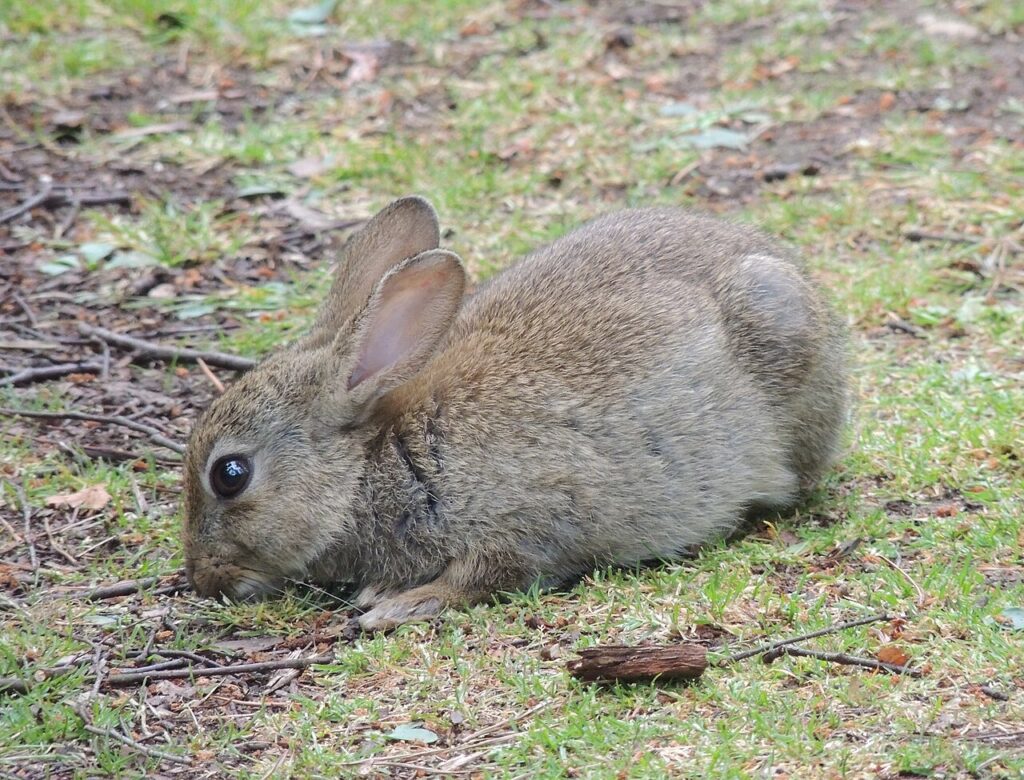
Rabbits with lop ears, whose ears fold downwards, may need closer observation than upright-eared rabbits. Folded ears get less airflow, the opening is partly covered, and early changes are easier to miss. Lop owners should gently lift each ear and look at the visible opening during the weekly check, and be a little quicker to book an appointment over discharge, odour or scratching.
Upright ears are easier to glance into, but they are not immune to mites, infection or injury, and deserve the same regular check. Whatever your rabbit’s ear shape, never compensate for a harder view by inserting anything — if you cannot see enough to be reassured, ask a vet to look.
Head Tilt and Balance Problems: Urgent Signs
A head tilt, loss of balance, circling, rolling, or eyes flicking repeatedly are not “wait and see” signs. They can have several causes, including problems involving the deeper ear, and they distress a rabbit as well as risking injury from falls. Keep your rabbit somewhere safe, low and confined, avoid picking it up more than necessary, and contact a rabbit-experienced veterinarian urgently — the same day. If your usual practice is closed, use an emergency service. Do not attempt any ear cleaning or home treatment first; the priority is a prompt examination.
Safety Notes: When to Contact a Veterinarian
Contact a rabbit-experienced veterinarian promptly if your rabbit is shaking its head or scratching at its ears repeatedly, has crusting, discharge or odour in an ear, flinches when its head is touched, or is eating less than usual. Seek urgent, same-day advice for head tilt, loss of balance, circling, or a rabbit that has stopped eating. Bring notes on when you first saw the signs and whether one or both ears are affected — it genuinely helps the veterinary team. Do not put anything in the ear before the appointment unless the vet instructs you to. For a wider overview of warning signs, see our guide to common rabbit health problems, and our guide to how often rabbits need a vet checkup for planning routine visits.
Conclusion
Rabbit ear care is a habit of observation: a calm external check each week, both ears compared, and a note of anything crusty, smelly, sore or simply different. Resist the urge to clean inside the ear or reach for drops — swabs, unprescribed products and home remedies cause more problems than they solve. Mites and infections are a vet’s job to diagnose and treat, and head tilt or balance changes are always urgent. Next step: at today’s health check, lift each ear in good light and simply look — and if anything on the checklist above is there, book the appointment rather than the cleaning session.
Frequently Asked Questions
Should I clean my rabbit’s ears regularly?
No. Healthy rabbit ears do not need routine internal cleaning. A weekly external look at the outer ear and visible opening is the right level of care; anything inside the canal is a job for a veterinarian.
How can I tell if my rabbit has ear mites?
You cannot confirm mites at home. Scratching at the ears, head shaking and dry crusting inside the visible ear are signs that mites are one possibility, but other problems can look similar. A veterinarian can examine the ear properly and confirm the cause.
Can I use ear drops or mite treatment made for dogs or cats?
No. Never use products made for other species, or drops a vet has not prescribed for your rabbit’s current problem. The safe treatment depends on the diagnosis, and some products for other animals can be unsafe for rabbits.
My rabbit keeps shaking its head. What should I do?
Book a veterinary appointment. Repeated head shaking can accompany mites, infection or other ear problems, and only an examination can find the cause. Do not put anything into the ear meanwhile, and treat it as urgent if there is head tilt, balance loss or reduced appetite.
Do lop-eared rabbits need more ear care?
They need closer observation rather than more cleaning. Folded ears hide the opening and get less airflow, so lift each ear during the weekly check and be prompt about a vet visit for scratching, discharge or odour.
Related Guides on RabbitCare
- Rabbit Parasites: Fleas, Mites, Worms and Prevention
- Common Rabbit Health Problems Every Owner Should Know
- How Often Should a Rabbit See a Vet? Checkup Frequency
References
- House Rabbit Society (rabbit.org) — rabbit health and care guidance, including ear problems and the importance of veterinary diagnosis.
- RSPCA — rabbit health and welfare guidance, including signs of illness and seeking veterinary care.