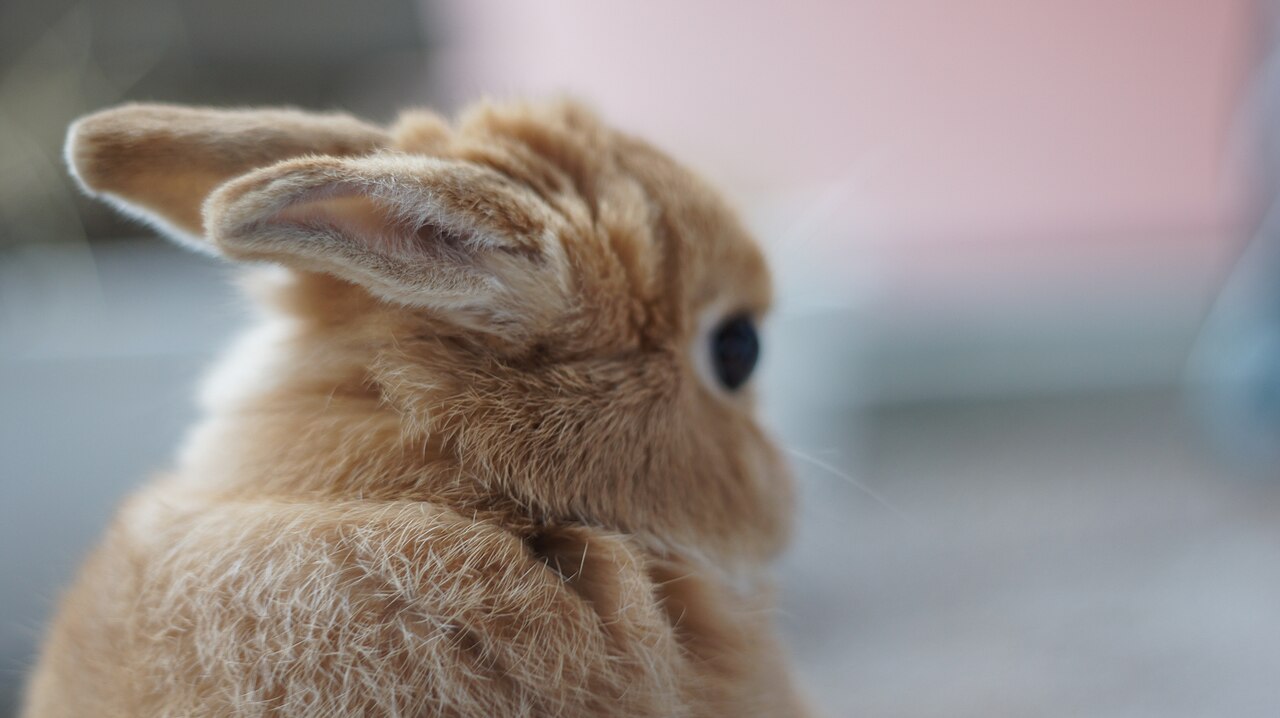
Learning how to clean rabbit ears safely starts with a surprise: healthy rabbit ears almost never need cleaning inside at all. The routine that actually keeps ears healthy is checking them regularly — looking inside gently, knowing what normal looks like — and, at most, wiping the outer ear with a soft cloth. Nothing goes into the ear canal: no cotton buds, no oils, no drops, unless a veterinarian has prescribed them for a diagnosed condition. This guide covers how to check ears properly, the little cleaning you may do, the lop-ear differences, and the warning signs that mean a vet, not a cloth.
Why Healthy Ears Need No Internal Cleaning
A rabbit’s ear canal is a long, narrow, L-shaped passage, and in a healthy rabbit it looks after itself. Small amounts of wax are produced normally, work their way out gradually, and protect the canal as they go. Interfering does more harm than good: poking inside pushes wax and debris deeper, scratches delicate skin, and can damage the canal or worse. Drops and oils poured into a healthy ear soften and trap debris, creating exactly the warm, moist conditions in which problems thrive.
So “ear cleaning” for rabbits really means ear checking. Your job is observation — a calm, regular look that catches change early — plus tidiness on the outside, where a cloth can safely reach. Everything deeper belongs to a veterinarian with the right instruments, a proper view down the canal, and treatment a home routine cannot offer. Once that is understood, the rest of ear care is simple and genuinely low-effort.
How to Check Your Rabbit’s Ears
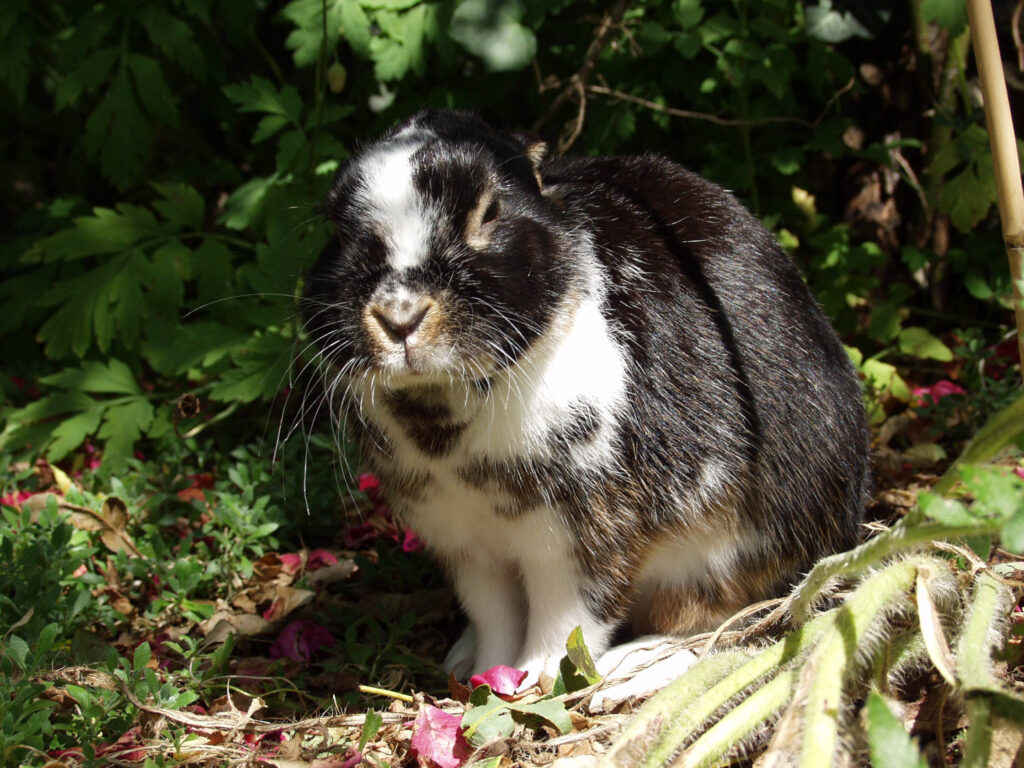
Make ear checks part of your regular grooming routine — a quick look once a week is plenty for most rabbits, fitted into a calm handling session at floor level. Here is a gentle method:
- Settle your rabbit first. Work somewhere familiar, with your rabbit relaxed and supported. A stressed rabbit will shake off every attempt to look, and rightly so.
- Look at the outside. Check the outer ear for scabs, hair loss, redness, wounds or anything stuck in the fur, and feel gently for lumps or heat.
- Lift and look inside. Gently fold the ear back or hold it so you can see into the opening. A pen torch or phone light, shone across the opening rather than jabbed towards it, helps you see.
- Check what you see against normal. A healthy canal opening is clean, pale and dry, with at most a small amount of light wax visible near the entrance.
- Compare the two ears. They should look broadly alike. A difference between ears is often the earliest clue that something is changing.
- Note anything new. Build-up, crusting, redness, a smell, or your rabbit reacting as if the ear is sore — each is a finding, not a cleaning job. See the warning signs below.
Never force the ear straight or pull it around for a better view, and stop if your rabbit is distressed. You can always look again tomorrow; a rabbit who learns that ear checks hurt will not forgive them quickly.
Upright Ears vs Lop Ears
Upright ears are comparatively easy to check: the opening is accessible, air circulates freely, and a glance with a light shows most of what you need. Lop ears fold over, and that changes two things. First, the fold covers the canal opening, so you must lift the ear gently to see in at all — and you do need to look, because problems can hide under that fold. Second, the covered, less ventilated canal means lops can be more prone to wax building up rather than clearing — a finding to raise with your vet, not a problem to dig out yourself.
The outer folds of lop ears also collect more: bedding dust, hay seeds and grime settle in the creases. Those external folds are yours to clean, gently, as described below — but the fold is where your cleaning ends. Everything inside the canal, lop or upright, is out of bounds.
What You May Clean: The Outer Ear Only
The one cleaning task that belongs to owners is the outer ear — the pinna, the broad flap you can see and touch — plus the external folds of lop ears. It needs almost nothing:
- Use a soft, dry cloth for ordinary dust and loose debris, wiped gently over the outer ear.
- Barely damp is the maximum. If something is stuck, a cloth dampened very slightly with plain water softens it. The ear should never end up wet, and nothing should drip towards the canal.
- Wipe, never scrub. Short, gentle strokes. Crusts or scabs are not dirt to be removed — leave them and read the warning signs below.
- Keep everything out of the canal. Do not wipe “just inside” the opening; the visible outer ear is the whole job.
- Stop at any soreness. If your rabbit flinches, the ear is hot or red, or the skin looks sore, stop cleaning and think vet, not cloth.
That really is the complete technique. If you finish an ear check thinking “that was all?”, you have done it exactly right.
Never Do This: Buds, Oils and Drops
- Never insert cotton buds — or anything else — into the ear canal. Buds pack wax deeper, scratch the canal lining, and can seriously injure the ear if a rabbit jerks, which rabbits do. The L-shaped canal means you cannot even see where a bud is going.
- Never use oils, home remedies or “ear cleaner” products in the ear. Oils trap debris and wax against the canal; unprescribed products can irritate or harm. Nothing goes in the ear on a just-in-case basis.
- Never use ear drops unless a vet has prescribed them for a condition they have actually diagnosed in your rabbit. Drops are medicine for specific problems, given in specific ways. A leftover bottle, or drops bought because an ear “looked waxy”, can mask a problem while it worsens, or be the wrong treatment entirely.
- Never pick, dig or squeeze at wax, crusts or anything else you find. Findings are information for a vet visit, not invitations to excavate.
Warning Signs: When Ears Need a Vet
Ear problems in rabbits are common enough that knowing the signs matters, and several of them overlap with the broader picture covered in our guide to rabbit ear care. Book a veterinary appointment if you notice any of the following:
- Excess wax or build-up that keeps accumulating, or debris visible deep in the canal.
- Crusting or scabs at the canal opening — a classic sign of ear mites (ear canker), which cause intense irritation and need prescribed treatment. Ear mites are covered in our guide to rabbit parasites.
- Redness, heat or swelling anywhere in or around the ear.
- A smell coming from the ear, which there should not be.
- Scratching at the ear, head shaking or rubbing the head on the ground — a rabbit telling you an ear is bothering them.
- Sore, broken skin from scratching, or hair loss around the ear.
One sign is urgent rather than routine: a head tilt — your rabbit holding their head tipped to one side — along with loss of balance, rolling, or rapid eye movements. A head tilt can indicate a serious inner-ear or neurological problem and needs veterinary attention the same day. Do not attempt any cleaning of an ear on a rabbit with a head tilt; just keep them safe, confined and calm, and get to a vet.
Cleaning Around Lop Ears’ Outer Folds
Because lop ears collect debris in their folds, they get a slightly bigger version of the outer-ear routine. Lift the ear gently, look into the folds as well as towards the canal opening, and wipe the creases with a dry or barely damp soft cloth, following the fold rather than rubbing across it. Lift out anything sitting loose on the surface — a hay seed caught in a fold can rub and irritate. A weekly once-over like this, combined with the canal check, is the whole of lop ear care at home; the fold hides the canal, which is exactly why the looking matters more, not the cleaning.
Making Ear Checks Easy: Habits That Help
- Little and often. A thirty-second look during weekly grooming beats a wrestling match once a year.
- Pair checks with rewards. A favourite leaf after each look builds a rabbit who tolerates checks happily.
- Handle ears gently in ordinary stroking from time to time, so being touched there is nothing unusual when you need to check.
- Ask your vet to show you. At a routine checkup, ask what your rabbit’s canals look like and what to watch for — a thirty-second demonstration is worth pages of description.
Conclusion
How to clean rabbit ears safely turns out to be mostly about restraint. Healthy ears need no internal cleaning at all: check them weekly with a light and a gentle hand, wipe only the outer ear — and the folds of lop ears — with a dry or barely damp cloth, and keep buds, oils and drops out of the canal entirely. Treat crusting, build-up, redness, smells, scratching and shaking as vet findings rather than cleaning jobs, and a head tilt as urgent. Look often, clean little, and your rabbit’s ears will mostly look after themselves.
Frequently Asked Questions
How often should I check my rabbit’s ears?
Once a week during your normal grooming routine is a good rhythm for most rabbits. It takes under a minute: look at the outer ear, lift gently, check the canal opening with a light, and compare the two ears.
Can I use cotton buds to clean just the entrance of the ear?
No. Nothing should be inserted into the canal, even “just a little way” — the canal turns sharply, you cannot see where a bud is going, and a sudden head movement can cause real injury. Wipe the outer ear with a cloth only, and leave everything deeper to a vet.
My rabbit has quite a lot of wax. Should I clean it out?
A small amount of wax near the entrance is normal. Heavy or building wax is a finding to raise with your vet, not something to dig out — it can signal mites or an ear problem, especially in lops, and clearing it yourself can push it deeper.
What do ear mites look like in rabbits?
Ear mites typically cause thick crusting and scabs inside the ear and around the canal opening, with a lot of scratching and head shaking. It is painful and needs prescribed veterinary treatment — do not pick the crusts off or put anything in the ear.
My rabbit is tilting its head. Is that an ear problem?
A head tilt can indicate a serious inner-ear infection or another significant condition, and it needs same-day veterinary attention. Keep your rabbit somewhere safe, low and confined so they cannot hurt themselves if their balance is off, and do not attempt any ear cleaning.
Related Guides on RabbitCare
- Rabbit Ear Care: Keeping Ears Clean and Healthy
- Rabbit Parasites: Fleas, Mites and Worms
- How to Groom a Rabbit at Home
References
- House Rabbit Society (rabbit.org) — guidance on rabbit ear care, grooming and health checks.
- RSPCA — advice on rabbit health checks, grooming and when to see a vet.