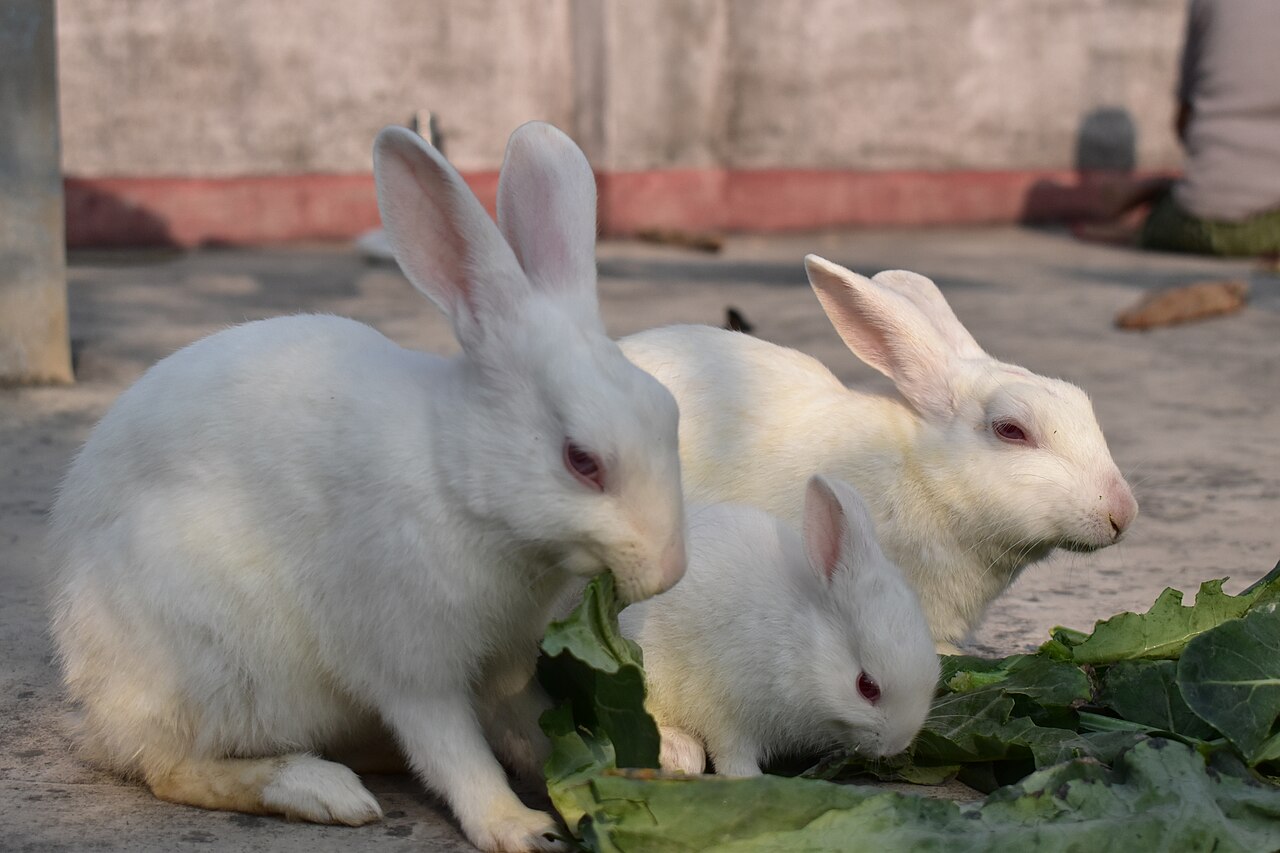
Introducing new foods to rabbits should always be slow and simple: offer one new food at a time, start with a very small portion, keep unlimited hay and water unchanged, and watch your rabbit’s appetite and droppings for at least a day or two before offering more. If everything stays normal, increase the amount gradually over about a week. If droppings soften or appetite dips, stop the new food and return to familiar foods. That patient approach protects rabbit digestive health.
Below is the process step by step, with a sample seven-day plan, a food diary idea, and extra caution for young or unwell rabbits.
Why Slow Introductions Matter
A rabbit’s digestion depends on a delicate balance of gut bacteria that ferment fibre from hay and greens. That balance adjusts gradually. A sudden flood of a new food — especially something richer, sweeter, or simply unfamiliar — can disturb it before it has time to adapt, leading to soft droppings, gas, or a reduced appetite.
Hay is the stabiliser throughout any change. Because hay stays constant while only one other thing changes, you can also tell exactly which food caused a problem if one appears. If three new vegetables for rabbits arrive on the same day and droppings turn soft, you will not know which one to blame.
Before You Start: Three Quick Checks
1. Check the food is safe first
Gradual introduction only applies to foods already known to be safe for rabbits — never use it to test an unidentified plant or anything you are unsure about. Check a trusted safe list, wash the food, and remove seeds or stones as appropriate.
2. Start from a stable base
Choose a day when your rabbit is eating hay enthusiastically and droppings look normal. Keep the usual hay, measured pellets, and familiar greens exactly as they are — you are adding one small variable to a steady routine.
3. Choose an easy first food
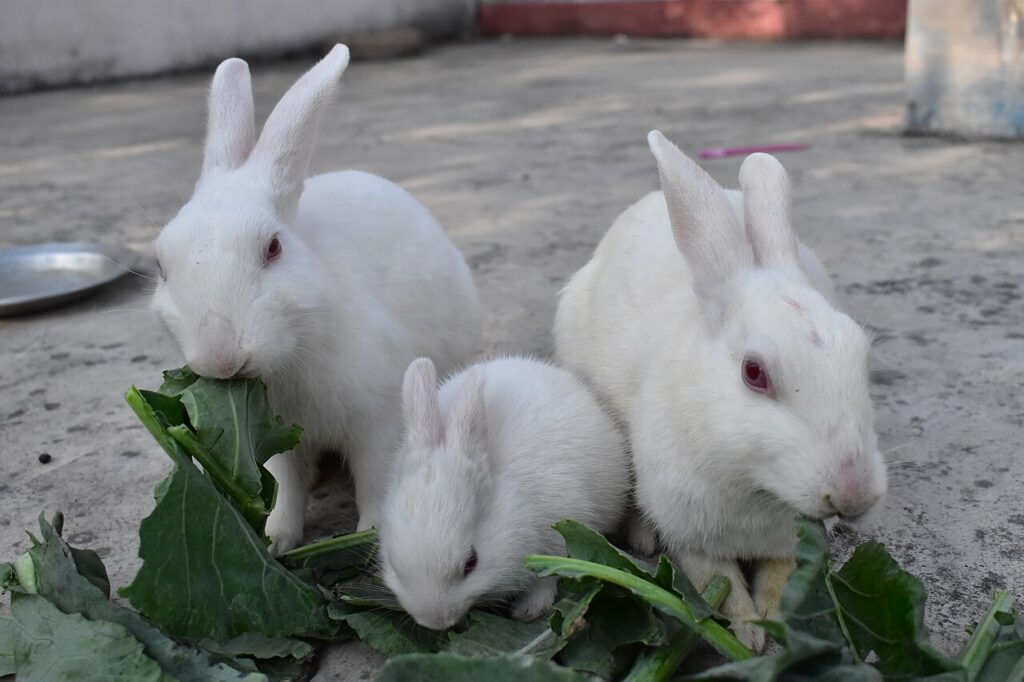
Leafy greens and herbs are generally the gentlest starting point — a single leaf of romaine lettuce or a sprig of coriander, for example. Save richer, sweeter foods such as fruit or carrot for later, in even smaller amounts: they are treats, not staples.
The One-Food-at-a-Time Process, Step by Step
- Day one: a taste, not a portion. Offer a small piece — roughly a thumbnail-to-palm-sized leaf, or a few herb sprigs — alongside the normal diet, not instead of it.
- Wait and watch. Check appetite, behaviour, and droppings over the next 24 hours before deciding anything. Look at the litter tray as well as the food bowl.
- If all is normal, offer a little more. Increase the amount slightly over the following days rather than jumping straight to a full serving.
- Build to a normal portion. After several settled days, the food can take its place in the regular rotation at a sensible amount for that type of food.
- Only then try the next food. Begin the same process with one more new food, keeping everything else familiar.
The same logic applies to a rabbit diet transition involving pellets: mix a little of the new pellet into the old one and shift the balance gradually over one to two weeks, rather than swapping overnight.
What to Watch: Appetite, Droppings and Behaviour
Observation is the heart of this process. You are not looking for perfection; you are looking for change from your rabbit’s normal.
- Appetite. Is your rabbit still coming forward for hay and familiar foods with the usual enthusiasm?
- Droppings. Healthy droppings are round, fairly dry, and plentiful. Watch for droppings that become much softer, stickier, smaller, or noticeably fewer.
- Caecotrophs. These softer droppings are normally eaten directly. Finding many uneaten can be a sign the diet is too rich or something has upset the balance.
- Behaviour and posture. A quieter rabbit, a hunched posture, or hiding more than usual alongside appetite changes deserves prompt attention.
- Water intake. Note any clear change from normal in your diary too.
A single slightly soft dropping after day one is a signal to pause, not panic: hold the new food, keep hay plentiful, and check again the next day.
A Sample 7-Day Introduction Plan
The plan below is a cautious example for introducing one new leafy green to a healthy adult rabbit. It is an illustration, not a fixed protocol — your rabbit’s responses, not the calendar, decide whether you move on, hold steady, or stop.
| Day | What to offer | What to check |
|---|---|---|
| Day 1 | One small leaf or a few sprigs of the new green, plus the normal diet | Appetite and droppings over the next 24 hours |
| Day 2 | Nothing new if anything seemed off; otherwise the same small amount again | Droppings still round and plentiful? |
| Day 3 | A slightly larger piece, still well below a full portion | Hay eating staying enthusiastic? |
| Day 4 | Hold at the same amount — a settling day | Behaviour, water intake, litter tray |
| Day 5 | Increase a little more if all has stayed normal | No soft droppings or uneaten caecotrophs? |
| Day 6 | Close to a normal portion for this food, mixed with familiar greens | Overall pattern across the week, not one hour |
| Day 7 | Normal portion in the regular rotation, if the week went smoothly | Decide: established, needs more time, or leave it out |
If any day goes badly, stop the new food, return to hay and familiar foods, and only retry once things have been normal for a few days — or leave that food out entirely. There is no prize for finishing in seven days.
Special Caution: Young, New and Unwell Rabbits
Young rabbits
Young rabbits have especially sensitive digestive systems, and babies rely on their mother’s milk before eating solid food as they wean. Introduce new foods particularly cautiously at this stage, one at a time and in very small amounts — there is no rush to offer variety. If you are unsure, ask a rabbit-experienced veterinarian for an individual plan.
Newly rehomed rabbits
A move is stressful enough on its own. For the first days, keep feeding whatever the rabbit was already eating if you know it, keep hay unlimited, and postpone experiments until the rabbit is settled and eating confidently.
Unwell or recovering rabbits
Do not start introducing new foods to a rabbit who is unwell, eating poorly, or recovering from illness or surgery unless a veterinarian advises it. Appetite changes in an unwell rabbit need professional assessment first.
If Things Go Wrong: A Calm Response
- Stop the new food. Remove it from the menu completely for now.
- Return to the base diet. Offer unlimited hay, fresh water, and the familiar greens and pellets your rabbit already tolerates.
- Do not introduce anything else. Let things settle fully before any further changes.
- Monitor closely. Check appetite, droppings, and behaviour several times a day, and write down what you see.
- Escalate promptly if needed. A rabbit who stops eating or whose droppings stop is an emergency case — see the veterinary section below.
Keep a Simple Food Diary
Memory is unreliable over a few weeks of introductions. A notebook by the hay supply, or a note on your phone, solves that. For each new food, record just four things:
- The food and the date you first offered it
- Roughly how much you gave each day
- What appetite and droppings looked like the following day
- Your verdict: established, paused, or not tolerated
After a month you will have a personal safe list for your rabbit — which greens suit them and which caused soft droppings. It is also useful information for a veterinarian if digestive problems appear, because it turns guesswork into a clear timeline.
Common Mistakes to Avoid
- Introducing several foods at once. You will not know which food disagreed.
- Starting with a full portion. A whole bowl of a new green is a shock, however safe it is.
- Changing everything together. New home, new pellets, and new greens in one week is too many variables.
- Judging after one hour. Droppings reflect food over the following day, not ten minutes.
- Pushing through warning signs. Soft droppings or a dipping appetite mean pause.
- Testing unknown foods. Gradual introduction never makes an unsafe food safe.
Safety Notes: When to Contact a Veterinarian
Contact a rabbit-experienced veterinarian promptly if your rabbit stops eating, produces much smaller droppings or none at all, has persistent soft droppings or diarrhoea, seems hunched, quiet, or uncomfortable, grinds its teeth, drools, or shows a swollen belly. Rabbits can deteriorate quickly when they stop eating, so do not wait days to see whether it passes, and do not try to diagnose or treat the problem yourself, or give medicines meant for people or other animals.
Conclusion
Safe introductions rest on three habits: one food at a time, a tiny first portion, and honest observation before you offer more. Use the seven-day plan as a gentle example, keep a diary, and let your rabbit set the pace. Next step: choose one new leafy green and offer a single small leaf today.
Frequently Asked Questions
How long should I take to introduce a new food to my rabbit?
About a week is a sensible, cautious pace for one new leafy green for a healthy adult: a tiny amount on day one, gradual increases, and settling days in between. Some rabbits need longer. If anything changes for the worse, pause or stop rather than finishing the schedule.
Can I introduce two new foods at the same time?
It is better not to. Introducing one food at a time means that if droppings soften or appetite dips, you know exactly which food to stop. Finish establishing one food, then start the next one with the same small-first-portion process.
What should I do if my rabbit gets soft droppings from a new food?
Stop that food, return to unlimited hay, water, and familiar tolerated foods, and monitor closely. If droppings return to normal, you can leave the food out or retry a smaller amount later. If your rabbit stops eating, droppings stop, or soft droppings persist, contact a rabbit-experienced veterinarian promptly.
How do I change my rabbit’s pellets safely?
Treat it as a gradual rabbit diet transition: mix a small amount of the new pellets into the old ones and shift the balance a little at a time over one to two weeks, keeping hay unlimited throughout. Watch appetite and droppings, and slow down if anything changes.
Should I introduce new foods to a young rabbit the same way?
Even more cautiously. Young rabbits have sensitive digestive systems, so new foods should wait until a young rabbit is weaned and eating hay well, then be offered one at a time in very small amounts. If you are unsure, ask a rabbit-experienced veterinarian for an individual plan.
Related Guides on RabbitCare
These guides will help you choose what to introduce, and how it fits the wider diet:
- Best Vegetables for Rabbits: Safe Leafy Greens and How to Serve Them
- What Do Rabbits Eat? A Complete Guide to a Healthy Rabbit Diet
- Can Rabbits Eat Lettuce? Which Types Are Suitable?
- Rabbit Feeding Schedule: What and When to Feed Your Bunny
References
- House Rabbit Society (rabbit.org) — guidance on hay-based diets, introducing vegetables, and general rabbit care.
- RSPCA — rabbit diet and welfare guidance, including gradual diet changes.