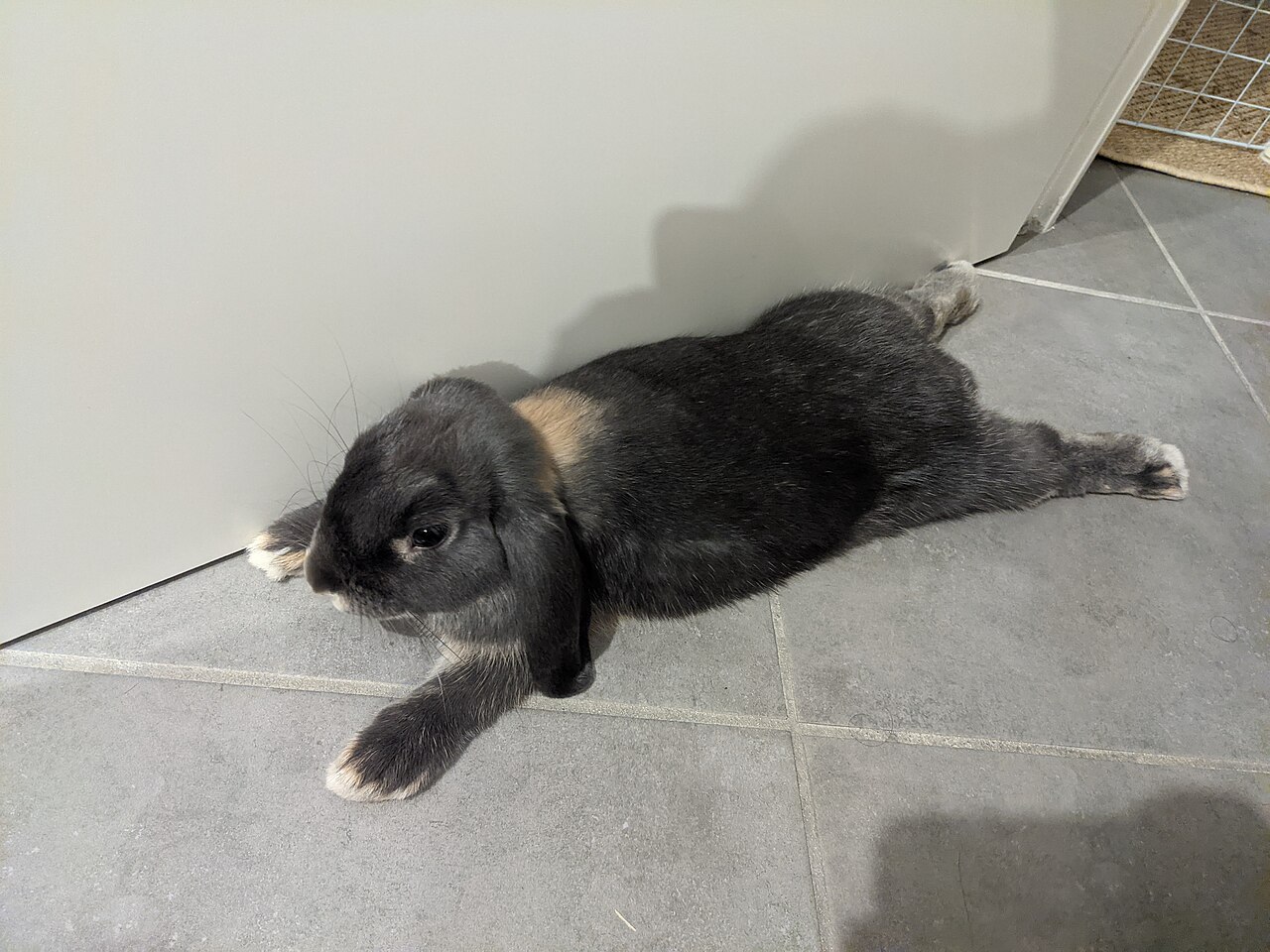
Rabbit gut stasis means the digestive system has slowed down or stopped moving food through as it should. It is also called GI stasis in rabbits. Because a rabbit’s gut needs to keep moving, stasis can quickly become painful and dangerous. A rabbit that is eating much less, producing smaller or fewer droppings, or not pooping needs urgent veterinary assessment the same day. Do not wait overnight to see whether it passes.
Gut stasis is a sign that something is wrong, not a complete explanation by itself. Pain, illness, stress, a low-fibre diet and several other problems can sit behind it. Only a veterinarian who examines your rabbit can look for the cause and decide what care is needed.
URGENT: Treat This as a Rabbit Digestive Emergency
If your rabbit has stopped eating, has no droppings, seems hunched or quiet, grinds its teeth, or has a bloated or hard-feeling belly, contact a rabbit-experienced veterinarian or emergency veterinary service now. This is a rabbit digestive emergency. Rabbits can deteriorate quickly when they stop eating, and gut stasis can be very painful even when a rabbit stays still and makes little sound.
Call straight away. If your usual practice is closed, use its out-of-hours service or another emergency service. Tell them what you noticed, when your rabbit last ate normally, and how droppings have changed.
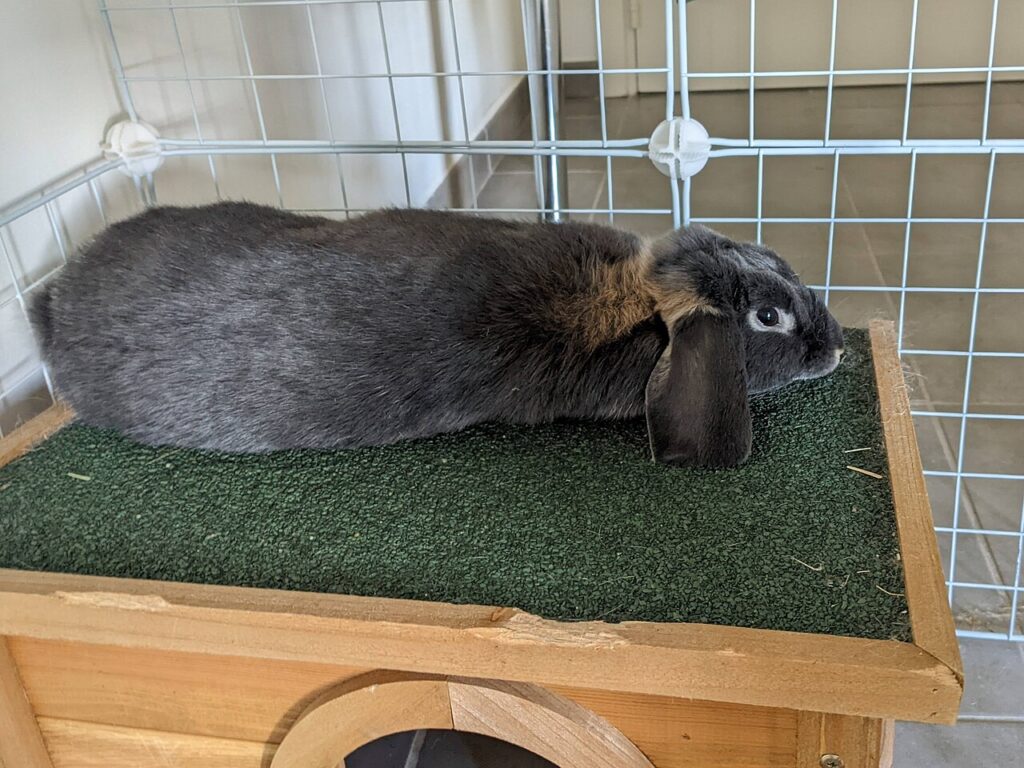
What Is Gut Stasis?
A healthy rabbit eats frequently, especially hay, and produces droppings regularly. Chewing and swallowing high-fibre food helps keep the digestive system moving. In gut stasis, that movement becomes too slow or stops. Food and swallowed hair move less effectively, discomfort can build up, and the rabbit often feels too unwell to eat normally.
When a rabbit eats less, the gut has less fibre moving through it, so the slowdown can worsen. This is one reason early action matters: appetite loss is both a warning sign and part of the problem.
Why Gut Stasis Is So Serious
Rabbits are not built to go for long periods without eating. A slowed gut can cause pain, dehydration and weakness, and the underlying cause may itself need urgent treatment. Dental pain, another illness, or a stressful event can start the problem; gut stasis then adds a second, dangerous problem on top.
A quiet rabbit is not necessarily a comfortable rabbit. Rabbits often hide pain, so small changes — sitting in one place, refusing a favourite food, or passing fewer droppings — deserve to be taken seriously.
Common Triggers and Contributing Factors
Gut stasis can develop for more than one reason, and sometimes no single trigger is obvious. A veterinarian will consider the whole picture rather than assuming diet is to blame.
Low-fibre diet
Too little hay and too many pellets, muesli-style foods or treats can leave the gut with less long fibre to work on. Hay should be the main food, not an optional extra. If hay eating has dropped, our guide to a rabbit not eating hay explains why that change matters.
Pain or illness elsewhere
Dental discomfort, urinary problems, infection, injury and other illnesses can reduce appetite and gut movement. A rabbit in pain may stop eating before the original problem is obvious.
Stress and sudden change
Travel, a new home, loud building work, a change in routine, or the loss of a companion can affect sensitive rabbits. A stressed rabbit that stops eating still needs veterinary help.
Reduced movement
Rabbits that move less — because of pain, age, illness or too little space — may be more vulnerable. A sudden drop in activity is also a warning sign.
Swallowed fur
Rabbits swallow fur while grooming, and it normally passes through with food. During heavy moulting, or when gut movement is already slow, fur can be part of the material that is not moving well. Gut stasis should not be dismissed as “just a hairball”.
Early Warning Signs of GI Stasis in Rabbits
The earliest signs are often changes from your rabbit’s normal pattern. Check both appetite and droppings: together they give a clearer picture than either one alone.
- Reduced appetite: eating less hay, leaving pellets or greens, or refusing favourite foods.
- Smaller droppings: droppings may become noticeably smaller or drier than usual.
- Fewer droppings: a clear drop in the amount you normally find, or a rabbit not pooping at all.
- Hunched posture: sitting tucked up, pressed to the ground, or unwilling to move.
- Tooth grinding: loud tooth grinding can be a sign of pain, unlike the soft tooth purring some rabbits make when relaxed.
- Quiet behaviour: hiding, lethargy, or showing little interest in surroundings, food or people.
- Belly changes: a bloated, tight or hard-feeling belly, or signs of discomfort when moving.
- Less grooming or movement: a dull coat, sitting in one place, or not coming forward at feeding time.
These signs overlap with many other problems. Our guides to the signs your rabbit is sick and signs of pain in rabbits can help you describe what you are seeing, but they cannot replace an examination.
What to Do Now: A Safe Checklist
- Call a veterinarian immediately. Say that you are concerned about gut stasis, and describe appetite, droppings, posture and behaviour.
- Do not wait overnight. A rabbit that is not eating or not pooping needs same-day advice, even if it still moves around occasionally.
- Note the timeline. When did your rabbit last eat well? When did droppings reduce? Has there been stress, a diet change, moulting or another illness?
- Keep your rabbit calm and in familiar surroundings while you arrange care. Avoid unnecessary handling and do not press or massage the belly.
- Transport safely. Use a secure, lined carrier. Take a note of current foods and any medicines already prescribed, and tell the veterinary team about them.
- Follow professional direction only. Do not syringe-feed, give leftover medicine, or try foods, oils or remedies suggested online unless a veterinarian who knows the case tells you to.
If the first service cannot see your rabbit, ask where to go next and keep trying.
What a Veterinarian May Do
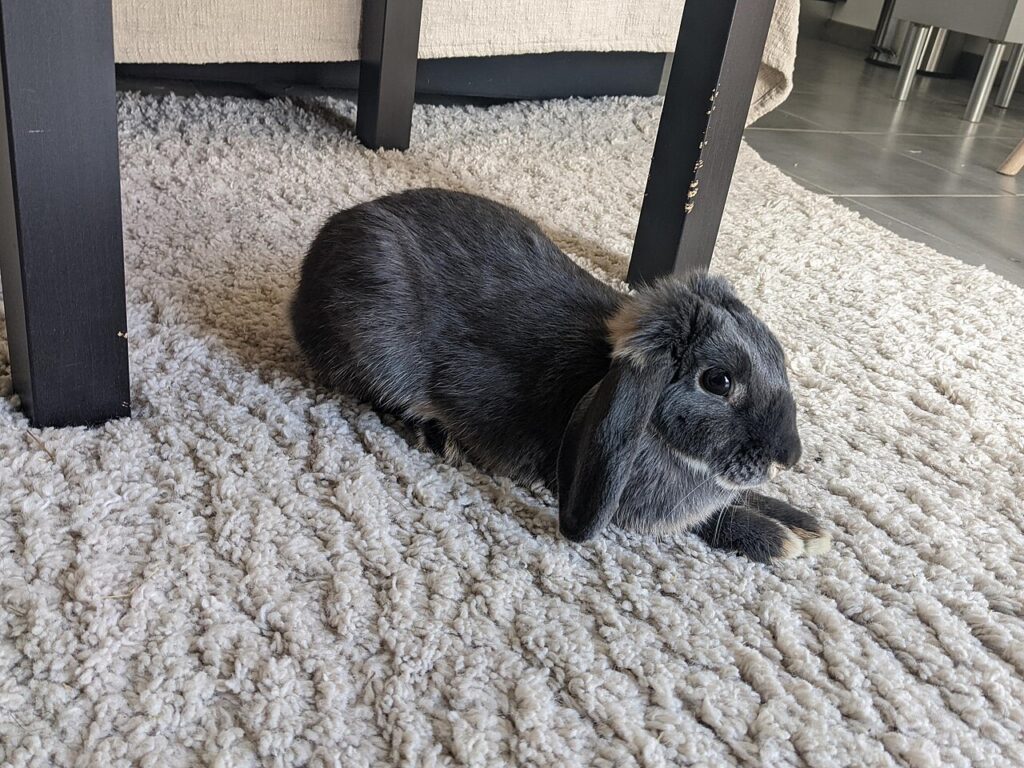
A veterinarian will examine your rabbit and assess pain, hydration, gut movement and general condition. They may ask about diet, droppings, recent stress, moulting, exercise and any other symptoms. Further checks may be advised depending on what the examination suggests, because treating the slowdown without looking for its cause can miss the real problem.
Care is decided by the veterinary team and may include pain relief and supportive care given under professional direction, monitoring, and treatment for an underlying cause if one is found. Some rabbits need hospital care; others may be managed at home only after assessment, with clear instructions and a plan for review. Never copy another rabbit’s treatment plan: two rabbits with similar signs may need different care.
After the visit, follow all feeding, medicine and recheck instructions. Contact the practice promptly if appetite or droppings do not improve as expected, or your rabbit becomes quieter or more hunched.
What Not to Do
- Do not wait and see overnight when a rabbit has stopped eating or droppings have stopped.
- Do not force-feed or syringe anything into the mouth without veterinary direction; a rabbit that cannot or should not swallow safely can be harmed.
- Do not give human medicines, leftover pet medicines, oils, juices or home remedies.
- Do not massage a swollen belly or try to make the rabbit exercise to “get things moving”.
- Do not assume it is only stress, moult or hair and delay the call.
Prevention: Keeping the Gut Moving
Not every case can be prevented, especially when pain or illness is the trigger, but everyday care can reduce risk and help you spot trouble earlier.
Build the diet around hay
Offer unlimited grass hay at all times, refreshed through the day and placed where your rabbit likes to graze. A hay-first diet supports chewing, gut movement and dental wear. See how much hay a rabbit needs for practical guidance. Keep pellets measured and treats occasional so they do not crowd out hay.
Encourage daily movement
Give your rabbit secure space and time to explore, hop and forage every day. Scatter greens through hay and use safe cardboard hiding places to encourage foraging. A rabbit that suddenly moves less should be checked, not pushed to exercise.
Groom loose fur
During moulting, gently groom loose fur with a suitable brush. Keep sessions calm and stop if your rabbit is stressed. Grooming cannot prevent every case, but it reduces how much loose fur is swallowed.
Keep routines steady and watch appetite
Make diet changes gradually, keep hay and water constant during stressful events, and learn what is normal for your rabbit. A small daily check — eating, droppings, posture and activity — makes changes easier to spot. If appetite drops, read why a rabbit may stop eating and contact a veterinarian promptly rather than monitoring for days.
Keep up routine veterinary care
Regular health checks give dental problems, weight changes and other concerns a chance to be found before they affect appetite. Tell your veterinarian about repeated episodes of reduced appetite or smaller droppings, even if your rabbit seemed to recover.
Conclusion
Rabbit gut stasis is an emergency because the digestive system has slowed or stopped, and the cause may be painful or serious. Reduced appetite, smaller or fewer droppings, a rabbit not pooping, hunching, tooth grinding and unusual quietness are all reasons to act the same day. The safest response is simple: call a rabbit-experienced veterinarian now, avoid home remedies and force-feeding, and use hay, exercise, grooming and close daily checks to reduce risk in future.
Frequently Asked Questions
How quickly does rabbit gut stasis become an emergency?
Treat it as urgent from the moment you notice a rabbit is not eating normally or droppings have reduced or stopped. You cannot judge the cause or severity safely at home, so get veterinary advice the same day.
Can gut stasis go away on its own?
Do not rely on that. Signs can worsen, and the underlying cause may need treatment. A rabbit with reduced appetite or droppings should be assessed promptly.
Should I syringe-feed a rabbit with gut stasis?
Do not syringe-feed or force-feed unless a veterinarian who has assessed your rabbit specifically directs you to and shows you how. The immediate priority is urgent veterinary assessment.
Is rabbit gut stasis painful?
It can be. Hunched posture, loud tooth grinding, quietness and reluctance to move may all suggest discomfort. Because rabbits hide pain well, absence of obvious signs does not mean a rabbit is comfortable.
Can grooming help prevent GI stasis?
Grooming loose fur during moulting can reduce the amount swallowed and is a sensible part of prevention, alongside unlimited hay, exercise and prompt veterinary care for appetite changes. It does not guarantee prevention.
Related Guides on RabbitCare
- Why Is My Rabbit Not Eating?
- Signs Your Rabbit Is Sick: When to Call a Vet
- Signs of Pain in Rabbits: How to Tell and What to Do
- How Much Hay Does a Rabbit Need Every Day?
- Why Is My Rabbit Not Eating Hay? Causes and Helpful Solutions
References
- House Rabbit Society (rabbit.org) — rabbit health and digestive care guidance.
- RSPCA — rabbit health, diet and welfare guidance.