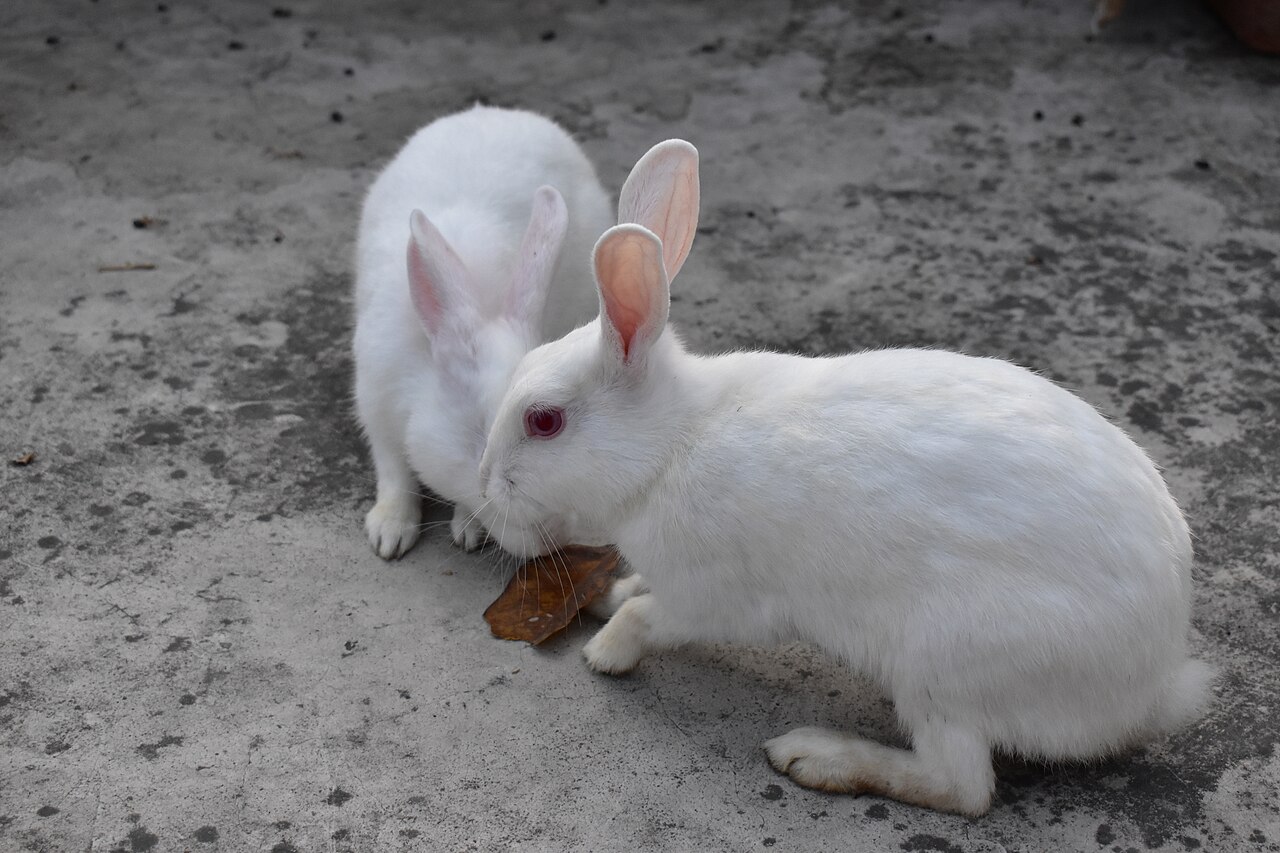
Rabbit vaccinations protect rabbits against some of the most serious viral diseases they can catch, including myxomatosis and rabbit haemorrhagic disease. There is, however, no single schedule that applies everywhere: which vaccines are available, which diseases they cover and when boosters are advised all vary by country and over time. That is why this guide gives you no timetable to follow. Instead, it gives you the questions to ask a local, rabbit-experienced veterinarian, so your rabbit’s plan is right for where you live and for its age, health and lifestyle.
If you take one message from this article, make it this: vaccination is a conversation with your vet, not a date you copy from the internet. Products change, guidance is updated, and risks differ between areas.
Why Vaccination Matters for Rabbits
Some rabbit diseases are viral, fast-moving and frequently fatal, and for the most serious ones there is no reliable cure once a rabbit is infected. Prevention is therefore the main line of defence, and vaccination is the strongest preventive tool available. A vaccinated rabbit that encounters one of these viruses has a far better chance than an unvaccinated one, and vaccination also reduces the circulation of disease overall.
Vaccination is only one part of protection, though. Good hygiene, sensible insect control and careful management of contact with unfamiliar rabbits all play a role alongside it. Think of vaccination as the foundation, with everyday care built on top.
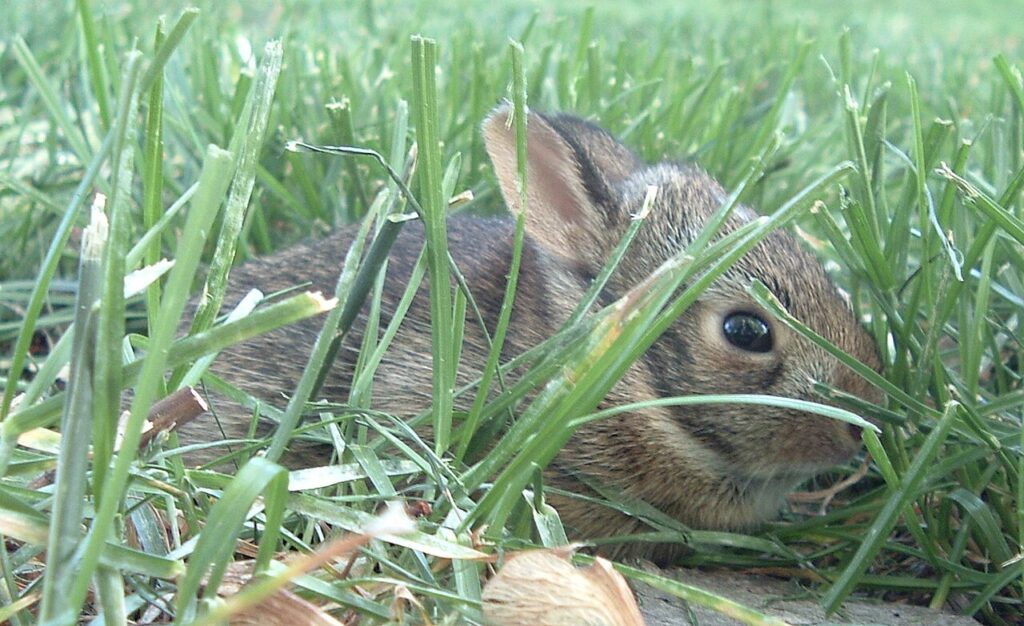
The Diseases Vets Commonly Discuss
Your veterinarian may mention several diseases by name. Two come up most often.
Myxomatosis
Myxomatosis is a serious viral disease spread mainly by biting insects such as fleas and mosquitoes, and also through contact with infected rabbits or contaminated items. A rabbit myxomatosis vaccine is one of the core protections vets discuss where the disease is present. Outbreaks can be seasonal, linked to insect activity, which is one reason your vet may talk about timing as well as the vaccine itself.
Rabbit haemorrhagic disease (RHD/RHDV)
Rabbit haemorrhagic disease, often shortened to RHD or RHDV, is another severe viral illness. Vets may also mention variant strains, because the strains circulating have changed over the years and vaccine recommendations have developed in response. RHDV vaccination is therefore worth revisiting with your vet rather than assuming an older plan still covers everything. The virus can persist in the environment and be carried on objects, part of why vets take it seriously even for rabbits that never meet other rabbits.
Depending on where you live, there may be additional diseases or combined products your vet wants to discuss. Rather than memorising names, ask a simple question: “Which diseases do rabbits need protection against here, and why?”
Why Vets Recommend Vaccination Even for Indoor Rabbits
A common and understandable assumption is that a house rabbit living indoors is safe from diseases carried outdoors. Vets generally advise against relying on that assumption, for a few everyday reasons:
- Insects get indoors. Fleas and mosquitoes find their way into homes, and fleas can arrive on other pets, clothing or soft furnishings.
- Hay and supplies come from outside. Hay, bedding and forage are produced and stored where wild rabbits and insects may have been present.
- Viruses travel on objects. Shoes, hands, carriers and equipment can carry contamination between places — what vets call fomite spread — even without direct rabbit-to-rabbit contact.
- Rabbits travel too. Boarding while you are on holiday, a trip to the vet, or a temporary stay elsewhere can change your rabbit’s exposure, even if home life is entirely indoors.
None of this is meant to alarm you. It simply explains the professional logic: because exposure cannot be reduced to zero, vaccination is usually discussed for pet rabbits whether they live indoors or outdoors. Your vet can weigh up your rabbit’s circumstances and advise accordingly.
Why There Is No Universal Schedule in This Article
Search online and you will find confident-looking timetables for a rabbit vaccine schedule. The problem is that any single timetable quietly assumes a country, a set of licensed products and a moment in time. Availability differs between countries — a product licensed in one place may not be sold in another — recommendations are updated as diseases and strains change, and vets tailor timing to a rabbit’s age, health and history.
For that reason, this article deliberately avoids stating ages for first vaccinations, intervals between doses, or how often boosters “should” be given. Numbers from another country or another year could leave your rabbit under-protected. The safe approach is to ask your own veterinarian, who works to your region’s current guidance, and to review the plan at each visit.
Questions to Ask Your Veterinarian
Bring this list to the appointment, on paper or on your phone, and write down the answers. Good questions include:
- Which diseases do rabbits in our area need vaccination against, and which vaccines do you recommend?
- My rabbit is young / newly rehomed / of unknown history — what timing do you suggest for getting started, and is more than one visit needed to complete the initial cover?
- How will boosters work for my rabbit, and how will I know when the next is due?
- Are there any new strains or updated recommendations I should know about?
- Is my rabbit healthy enough to be vaccinated today, or should we delay?
- What mild reactions might I see afterwards, and what signs mean I should call you?
- Can the visit be combined with a general health check, weight check and teeth check?
- Do you send reminders, and should I also keep my own record of dates?
- My rabbit lives indoors / outdoors / with other rabbits — does that change your advice?
- We are planning boarding, travel or a new rabbit — is there anything about timing to arrange in advance?
If your rabbit was vaccinated by a previous owner, breeder, rescue or another practice, take whatever paperwork you have. Knowing what was given, and when, helps your vet plan what happens next.
Keeping Vaccination Records
A simple, accurate record is surprisingly valuable. Most practices provide a vaccination card or certificate, and your rabbit’s details are also held on the practice’s system. Keep your copy somewhere safe, with a phone photo as a backup.
- Record the basics. Note the date of each vaccination, what it covered and when the next one is due.
- Set a reminder. Add the next due date to your calendar when you leave the appointment, not when you remember it later.
- Keep records when you move. If you change practices or move house, ask for the history to be transferred so the new vet sees the full picture.
- Bring records to boarding. Boarding establishments and pet sitters may ask to see proof of vaccination, so having it to hand avoids last-minute stress.
- Pass records on. If your rabbit is ever rehomed, send the history with them so cover continues without gaps.
Other Protective Measures That Support Vaccination
Alongside vaccination, general measures reduce the chances of your rabbit encountering these viruses at all. Your vet can advise which matter most locally, but the usual themes are:
- Insect control. Reduce mosquito access where you can, keep on top of flea prevention for other pets using products your vet advises, and never apply dog or cat flea products to a rabbit — some are dangerous for rabbits.
- Hygiene. Wash hands before handling rabbits after contact with other animals, store food and hay cleanly and dry, and clean bowls, bottles and carriers regularly.
- Care with new rabbits. Keep a new rabbit separate from resident rabbits for a period your vet advises, use separate equipment where possible, and arrange a vet check and vaccination review before introductions.
- Caution with wild rabbits. Avoid contact between pet rabbits and wild rabbits, and be thoughtful about grazing areas or gathered forage where wild rabbits are active.
- Ask before shows and gatherings. If your rabbit attends shows, clubs or boarding, ask what proof is required and make sure yours is current by your vet’s definition.
These measures support vaccination; they do not replace it. A spotless home cannot guarantee a mosquito never gets in — precisely the gap vaccination exists to cover.
Safety Notes: Vaccination Day and Afterwards
Vaccination appointments are routine, but a few sensible points apply. Only a healthy rabbit should normally be vaccinated, so tell your vet if your rabbit is off colour, eating less or behaving unusually — the appointment may need to move. After vaccination, some rabbits are a little quiet or eat slightly less for a short time; your vet can tell you what is typical for the vaccine used and what is not.
Contact your practice promptly if, after vaccination — or at any time — your rabbit stops eating, becomes very quiet or hunched, has difficulty breathing, develops marked swelling, or shows any sudden severe change. Do not wait days to see whether serious signs settle. If something feels wrong, a phone call costs little.
Conclusion
Rabbit vaccinations are one of the most worthwhile conversations you will have with your veterinarian. The diseases they protect against are serious, exposure can happen even to indoor rabbits, and the details — which vaccines, what timing, how boosters work — genuinely depend on your country, your region and your rabbit. So skip the generic timetables, take these questions to a rabbit-experienced vet, and keep good records. Next step: if you are unsure of your rabbit’s vaccination status, phone your practice today and ask.
Frequently Asked Questions
Do indoor rabbits really need vaccinations?
Vets generally discuss vaccination for indoor rabbits too, because insects can enter homes and viruses can be carried in on hay, hands, shoes and equipment. Your veterinarian can weigh up your rabbit’s individual circumstances and advise what is appropriate where you live.
How often does my rabbit need boosters?
There is no universal answer: booster recommendations depend on the vaccine used, current regional guidance and your rabbit’s situation, and they can change over time. Ask your veterinarian when your rabbit’s next booster is due and set a reminder for that date.
At what age should a young rabbit first be vaccinated?
The right timing for youngsters depends on the products available in your country and your vet’s current guidance, so this is a question for your own practice rather than a number to take from an article. Phone your vet when you bring a young rabbit home and ask what they recommend.
Can vaccination be combined with a general health check?
Very often, yes — many owners use the visit for a weight, teeth and general health review too. Mention it when you book so the practice can allow suitable time, and ask whether anything else is due.
What should I do if I do not know my rabbit’s vaccination history?
Book a check-up and tell your vet the history is unknown, taking any paperwork you do have. Your vet can advise how to proceed safely, which may involve planning vaccinations as if starting afresh.
Related Guides on RabbitCare
- How Often Should a Rabbit See a Vet? Checkup Guide
- Common Rabbit Health Problems Every Owner Should Know
- What Do Rabbits Eat? A Complete Guide to a Healthy Rabbit Diet
References
- House Rabbit Society (rabbit.org) — rabbit health and care guidance, including preventive care.
- RSPCA — rabbit health and welfare guidance, including vaccination as part of preventive care.