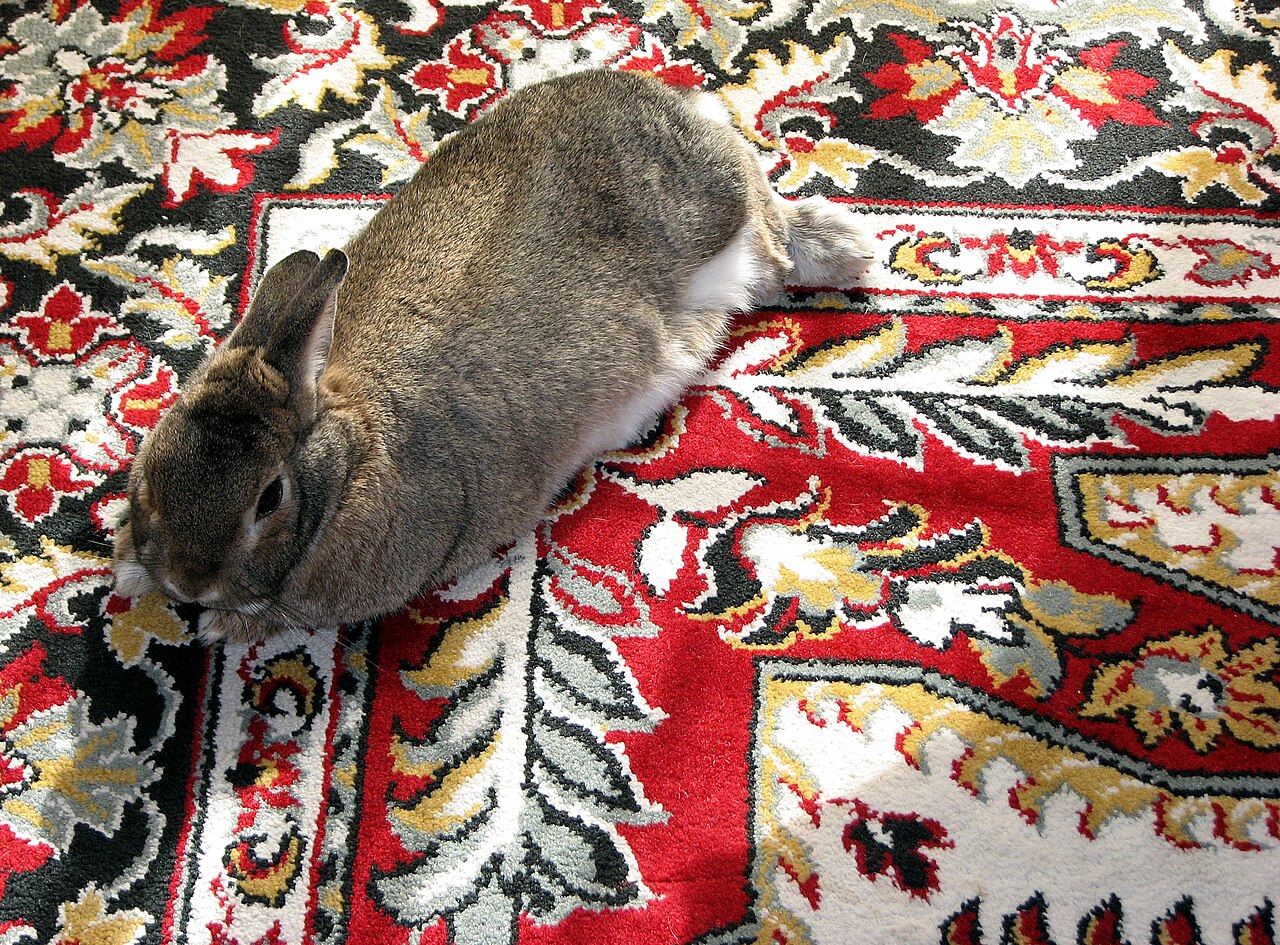
Rabbits rarely cry out or limp dramatically when something hurts. As prey animals, they are wired to hide weakness, so the signs of pain in rabbits are usually quiet ones: a rabbit sitting hunched and still, hiding more than usual, grinding its teeth, or quietly going off its food. The most reliable clue is a change from your own rabbit’s normal behaviour. If you notice one or more of these changes, treat it seriously — pain in a rabbit always deserves prompt assessment by a rabbit-experienced veterinarian.
This guide explains why rabbits hide pain, the subtle signs to watch for, and what to do — and what never to do — if you think your rabbit is hurting.
Why Rabbits Hide Pain
In the wild, a rabbit that looks weak or slow is the one a predator notices first. Domestic rabbits keep that same instinct. Instead of showing pain openly, they tend to become quieter, move less, and withdraw — changes that are easy to miss.
This is why rabbit pain symptoms are so often spotted late. Your rabbit is not being brave or difficult; it is following a survival strategy. Small behaviour changes therefore matter more with rabbits than with a dog or cat, and it is always better to check a worry early than to wait for clearer proof.
Why Changes From Your Rabbit’s Normal Matter Most
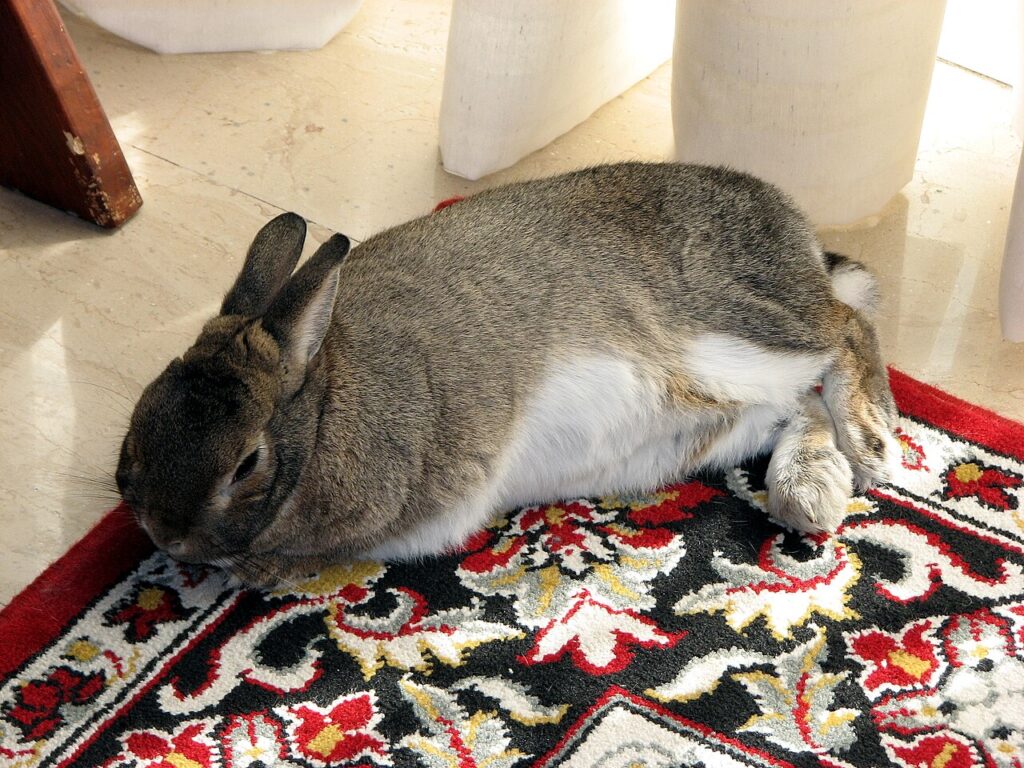
No single pain checklist fits every rabbit, because rabbits have individual routines and personalities. One rabbit greets you at the door every morning; another is naturally shy but always appears for breakfast greens. What matters is not whether your rabbit matches a textbook description, but whether it has changed from its own usual pattern.
That makes you the best early-warning system your rabbit has. A rabbit that stops doing its usual things — or starts doing unusual ones — is telling you something has shifted, and pain is one of the common reasons. Trust that sense of “he’s not himself today.” It is often the first sign.
The Subtle Signs of Pain in Rabbits
No single sign below proves a rabbit is in pain, and this guide cannot diagnose a cause. But any of these rabbit behavior changes, especially several together or appearing suddenly, are a good reason to contact a veterinarian.
Hiding away or withdrawing
A rabbit in discomfort often retreats to the back of its enclosure or a corner it does not usually choose, and may resist coming out. A friendly rabbit that suddenly wants to be left alone, or stops greeting you, has changed in a way worth taking seriously.
A hunched, tense posture
The classic rabbit hunched posture is a strong visual clue: the rabbit sits with its back arched, body pressed down and tense, often with ears held back and eyes half-closed. Unlike the loose, stretched-out positions of a relaxed rabbit, it stays compact and still, as if bracing itself.
Tooth grinding
Soft tooth purring during a cuddle usually signals contentment. Loud tooth grinding or crunching is different — it is a well-recognised response to pain. If you can hear grinding while your rabbit sits hunched and nobody is stroking it, treat that combination as a warning sign.
Moving less, or moving differently
A sore rabbit often sits in one spot for long periods and is reluctant to hop, stretch, or explore. You might notice it shuffling rather than hopping, moving stiffly, or failing to come over for food it usually loves. Any reluctance to move that is new for your rabbit deserves attention.
Reduced appetite
Pain commonly takes a rabbit off its food. Watch for hay left untouched, favourite greens refused, or eating much more slowly. Reduced eating is never a “wait and see” sign in rabbits — a rabbit that stops eating can deteriorate quickly, so contact a veterinarian the same day.
Changes in droppings
Droppings that become smaller, drier, or far fewer — or stop altogether — can accompany pain and reduced eating. Check the litter tray as part of your daily routine so you notice a change in size or quantity early.
Unusual aggression or grumpiness
A rabbit that suddenly grunts, lunges, boxes, or bites when touched or picked up may be protecting a sore area. This kind of uncharacteristic defensiveness is worth mentioning to your veterinarian rather than treating as a behaviour problem to train away.
Changes in grooming
A rabbit in pain may groom less, leaving its coat looking unkempt, or may repeatedly lick or chew at one spot over a painful area. Either change suggests that normal movement or posture has become difficult.
Sitting in unusual places or positions
Some rabbits press their belly gently against the floor, shift restlessly without settling, or choose hard or cool surfaces they normally avoid. Others sit facing a wall or stay in the litter tray. These unusual resting places often mean the rabbit is trying to get comfortable and cannot.
A Simple Daily Observation Checklist
You do not need special equipment — just a few seconds of attention at the times you already feed and check your rabbit.
| What to check | Relaxed and normal | Worth a closer look |
|---|---|---|
| Posture | Loose, stretched out, or loafing softly | Hunched, tense, ears back, eyes half-closed |
| Movement | Hops over, explores, stretches | Sits in one place, reluctant or stiff |
| Appetite | Eats hay and greens eagerly | Picks at food, eats slowly, or refuses favourites |
| Droppings | Plenty of round, uniform droppings | Smaller, fewer, or none |
| Response to you | Normal greeting and curiosity | Hiding, withdrawal, or unusual grumpiness |
| Sounds | Quiet, or soft purring when stroked | Audible tooth grinding while resting |
If several rows have shifted at once, or a change has appeared suddenly, do not wait — contact your veterinarian and describe the changes.
What to Do If You Think Your Rabbit Is in Pain
- Observe quietly first. Watch from a little distance and note what has changed: posture, appetite, droppings, movement, and response to you. Specific notes help the veterinary team judge urgency.
- Contact a rabbit-experienced veterinarian promptly. Phone and describe the signs, even if you are unsure. Suspected pain should not wait until tomorrow.
- Keep your rabbit comfortable and calm. Make sure hay and water are within easy reach in a quiet, familiar space, and keep handling to a minimum — being picked up can hurt and frighten a sore rabbit.
- Do not force food or fluids. Never syringe food or water into the mouth of a rabbit that is not eating unless a veterinarian has instructed and shown you how.
- Transport carefully if asked to come in. Use a secure carrier lined with hay or a towel, keep the journey quiet, and take your notes with you.
Never Give Human Pain Medicines
This point matters enough to state plainly: never give a rabbit human pain medicines or any other medicine from your own cabinet. Common household painkillers that are routine for people can be dangerous for rabbits, and a dose that seems small to you is not safe for a small animal. The same applies to medicines prescribed for another pet, leftover veterinary medicines from a previous illness, and herbal or home remedies.
Pain relief for rabbits is a veterinary decision. Only a veterinarian who has assessed your rabbit can decide whether pain relief is appropriate, which medicine is safe for rabbits, and how much to give. Giving something yourself can harm your rabbit and can also mask signs the veterinarian needs to see. If you think your rabbit is in pain, the kindest and safest treatment you can give at home is a prompt phone call.
When to Contact a Veterinarian
Suspected pain in a rabbit should always prompt veterinary advice, and some situations are urgent. Contact a rabbit-experienced veterinarian straight away — the same day, and urgently if your rabbit seems severely uncomfortable — if you notice:
- Your rabbit has stopped eating, or is eating much less than usual
- Droppings are much smaller, far fewer, or have stopped
- A hunched, tense posture with loud tooth grinding
- Your rabbit is hiding, unusually still, or reluctant to move
- Sudden aggression or distress when touched
- Any change that appears suddenly, is getting worse, or simply worries you
If your usual practice is closed, use its out-of-hours service or an emergency veterinary service rather than waiting until morning. Acting early gives the veterinarian the best chance to find the cause and relieve the pain.
Conclusion
Rabbits are quiet about pain, so owners have to be observant on their behalf. Learn how your rabbit normally sits, eats, moves, and greets you, and take changes from that normal — a hunched posture, hiding, tooth grinding, reduced appetite, smaller droppings, unusual defensiveness, or changed grooming — as the meaningful signals they are. Never attempt to treat pain at home, and never give human medicines. The safest response to suspected pain is always the same: note what you have seen and contact a rabbit-experienced veterinarian promptly.
Frequently Asked Questions
How can I tell tooth grinding from happy tooth purring?
Context tells you most of it. Soft, gentle purring happens while a relaxed rabbit is being stroked and its body stays loose. Pain grinding is louder and crunchier, happens while the rabbit sits hunched and tense, and is usually paired with other changes such as hiding or reduced appetite. If you are unsure which you are hearing, treat it as pain and ask a veterinarian.
Can rabbits feel pain even if they are still eating?
Yes. A rabbit may keep eating for a while despite discomfort, especially early on, which is why posture, movement, and behaviour changes matter as much as appetite. Eating normally is reassuring, but it does not rule pain out. If other signs have changed, a veterinary check is still worthwhile.
Should I pick my rabbit up to check it over?
Handle a possibly sore rabbit as little and as gently as you can. Being lifted can hurt and add stress, and a rabbit that struggles may injure itself. Watch and note the signs from nearby instead, and let the veterinarian do the hands-on examination.
How quickly do I need to see a vet if I suspect pain?
Promptly — the same day in most cases. Rabbits can deteriorate quickly, particularly if they stop eating or their droppings reduce. If your rabbit has stopped eating, is grinding its teeth loudly while hunched, or seems very uncomfortable, treat it as urgent and use an out-of-hours service if your practice is closed.
Can I give my rabbit a small dose of human painkiller while I wait?
No — never. Human pain medicines can be dangerous for rabbits, and no home dose is a safe one. Do not give any medicine, including leftover or another pet’s medication, unless a veterinarian has prescribed it for this rabbit and this problem. Keep your rabbit calm and comfortable, and let the veterinarian decide on pain relief.
Related Guides on RabbitCare
- Why Is My Rabbit Not Eating Hay? Causes and Helpful Solutions
- Signs Your Rabbit Is Sick: When to See a Vet
- Why Is My Rabbit Not Eating? Possible Causes and What to Do
- Common Rabbit Health Problems Every Owner Should Know
References
- House Rabbit Society (rabbit.org) — guidance on rabbit behaviour, recognising illness, and rabbit care.
- RSPCA — rabbit health and welfare guidance, including recognising signs of pain and ill health.