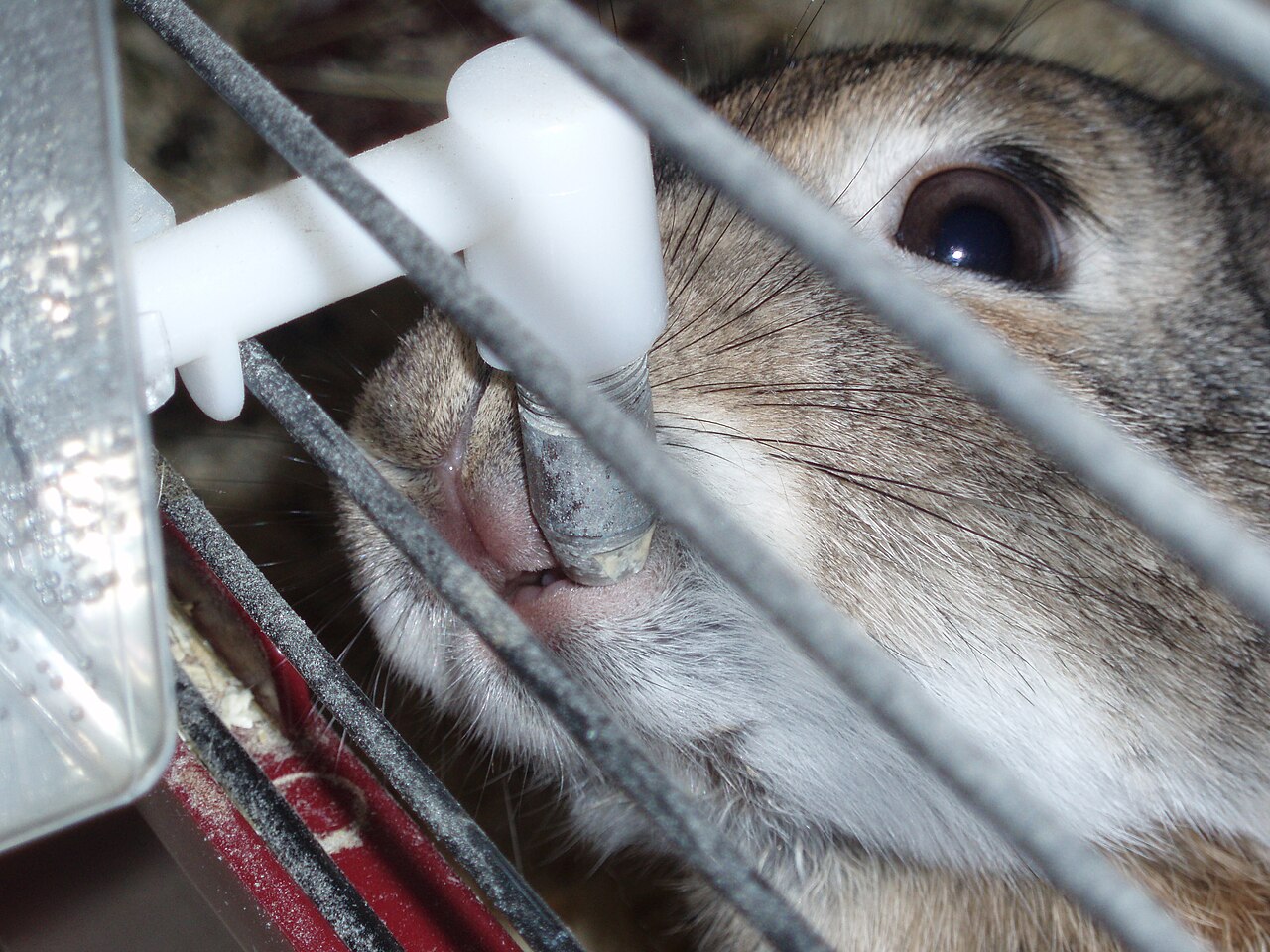
So, how much water do rabbits need? There is no single exact amount that suits every rabbit: intake varies with size, diet, activity, and the weather. What does not vary is the rule behind it — every rabbit needs fresh water for rabbits available constantly, day and night, in a clean bowl or bottle it can use easily. A rabbit that always has water within reach will drink what it needs, when it needs it. Your job is simply to keep that water clean, fresh, and impossible to run out of.
Rabbit hydration sounds like a small detail beside hay and greens, but it underpins digestion, appetite, and comfort every single day.
Why Water Matters So Much
Water supports nearly everything a rabbit’s body does. It helps food move through the digestive system, supports kidney function and the normal passing of urine, and helps a rabbit regulate its temperature in warm weather. A rabbit eating plenty of dry hay — which should be most of what it eats — relies on drinking water to balance that dry diet.
Warm weather makes hydration even more important — see our guide on how to keep a rabbit cool in hot weather for shade, cooling tips and heatstroke warning signs.
The flip side is just as important. A rabbit that is not drinking enough may eat less, produce smaller droppings, and become quiet and uncomfortable. Because rabbits often hide illness well, a change in drinking is sometimes the first clue an owner notices. Keeping water clean and watching how it is used is a genuine daily health check.
How Much Water Does a Rabbit Need Each Day?
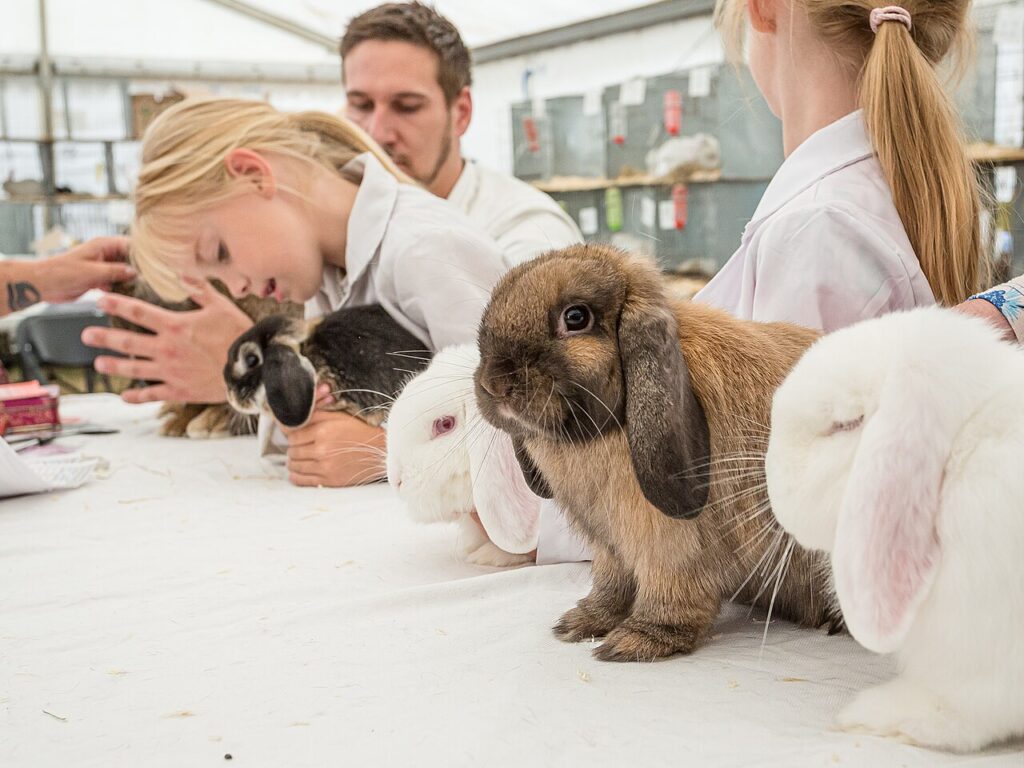
Owners often want a precise figure, but honest guidance is broader than that. Intake differs from rabbit to rabbit and from day to day, so a healthy intake is best judged by pattern rather than by measuring every sip.
Factors that change how much a rabbit drinks
- Diet. Rabbits eating lots of leafy greens take in water with their food and may visit the bowl less than rabbits eating a mostly dry, hay-and-pellet diet.
- Weather and temperature. Warm rooms and hot days increase drinking, while cool weather may reduce it slightly.
- Size, age, and activity. Larger and more active rabbits generally drink more; older rabbits and those with health conditions may drink differently from youngsters.
- Life stage and health. Nursing mothers, and rabbits with certain illnesses or on some medicines, may drink noticeably more or less than usual.
What matters is knowing your own rabbit’s normal. If the bowl is usually emptied halfway by evening and suddenly stays full — or is being drained unusually fast — that change is information worth acting on.
Choosing Between a Bowl and a Bottle
The rabbit water bowl vs bottle question has no universal winner; it depends on your rabbit. Many rabbits drink more naturally and comfortably from a bowl, lapping as they would from a puddle. Others were raised with a bottle and prefer it. Offering both at first is the easiest way to discover a preference.
Bowl vs. bottle at a glance
| Feature | Heavy bowl | Drinker bottle |
|---|---|---|
| Drinking position | Natural, head-down lapping | Head raised to a spout |
| Intake | Many rabbits drink more freely | Can be slower; spout must flow freely |
| Contamination | Hay, bedding, and droppings can fall in | Water stays cleaner for longer |
| Spills | Can be tipped by a determined rabbit | May drip, but rarely floods the floor |
| Cleaning | Easy to wash thoroughly every day | Bottle and nozzle need scrubbing to prevent build-up |
| Failure risk | Empty or dirty bowl if not checked | Blocked spout or stuck ball valve can stop water entirely |
Using a bowl well
Choose a heavy ceramic bowl with a wide, stable base that a rabbit cannot tip or push around. Place it on a flat surface away from the litter area where possible, and expect to rinse it often — a strand of hay in the water is normal life with rabbits, not a disaster, but the water should be refreshed whenever it looks soiled.
Using a bottle well
Fit the bottle securely at a height where your rabbit can reach the spout comfortably without stretching. Test the spout every day by tapping it: water should flow as soon as the ball or valve is touched. A blocked bottle looks full while delivering nothing, which is why this quick test matters so much.
Why many owners offer both
A bowl and a bottle together give a rabbit choice and give you a backup. If the bowl is tipped at midday, the bottle still has water; if a spout blocks, the bowl is there. For bonded pairs, more than one water point also prevents a confident rabbit from guarding the only source.
Where to Put the Water
Water should sit where your rabbit spends most of its time, within easy reach of hay and resting areas. Rabbits often drink after eating hay, so placing water near — but not inside — the hay and litter zones works well. Keep it out of direct sunlight, which warms the water and encourages green algae growth, and away from draught-free corners so cold that water could freeze in an outdoor setup in winter. A rabbit that has to cross an unfamiliar or stressful space to drink may simply drink less.
Keeping Water Clean: A Simple Daily Routine
Fresh means fresh: yesterday’s water, topped up, is not the same thing. Build water into your existing morning and evening checks and it takes only a minute.
Daily cleaning checklist
- Empty the bowl or bottle completely and rinse it out
- Wash bowls with hot water and a brush or sponge kept for this job
- Scrub bottle spouts and check the ball valve moves and drips freely
- Refill with clean, cool tap water
- Check the water level again in the evening and top up with fresh water
- In hot weather, change the water more often and check outdoor water has not frozen in winter
Once a week, give bottles a more thorough clean, including the nozzle, where a slimy film can build up out of sight. If a bottle smells stale even after washing, replace it. Avoid strong detergents inside drinkers unless they are fully rinsed away, and never add vitamins, electrolytes, or anything else to the water unless a veterinarian has advised it — additives can put a rabbit off drinking altogether.

Monitoring Intake Without Obsessing
You do not need a spreadsheet. Simply notice the water level when you refill: roughly how much has gone since yesterday? A small mark on the side of a bottle, or filling a bowl to the same point each day, makes comparisons easy.
- Notice whether the bowl or bottle is being used at all, especially after a change of drinker.
- Watch for wet bedding under a bottle, which may mean a leak rather than drinking.
- Pair what you see with appetite, droppings, and behaviour — water is one piece of the picture.
- If two rabbits share a space, watch both drink; one quiet rabbit’s change can hide behind a partner’s habits.
Common Water Problems and Quick Fixes
- Tipped bowl. Switch to a heavier, wider bowl, place it in a corner, or add a bottle as backup.
- Hay and bedding in the bowl. Move the bowl a little further from the hay pile and refresh the water when you refresh the hay.
- Bottle not flowing. Clean the nozzle, check for an airlock or a stuck ball, and replace a bottle that keeps failing.
- Rabbit ignores a new drinker. Keep the familiar source available alongside the new one until you have seen your rabbit drink from the new one confidently.
- Frozen or warm water. Check outdoor and shed setups morning and evening in extreme weather, insulate or move drinkers as needed, and refresh warm water with cool.
Safety Notes: Drinking Changes, Dehydration, and When to Contact a Veterinarian
Contact a rabbit-experienced veterinarian promptly if your rabbit is drinking much more or much less than usual, seems to have stopped drinking, or shows a change in drinking alongside reduced appetite or smaller droppings. Sudden increases in thirst can accompany dental, kidney, or other health problems, and a sharp drop in drinking can quickly lead to dehydration and gut slowdown. Do not wait several days to see if it settles.
Signs that can accompany dehydration or illness include a quiet, hunched posture, dry or tacky-feeling gums, reduced or absent droppings, sunken-looking eyes, and skin that seems less elastic than usual. None of these can be assessed reliably at home as a substitute for an examination, and home rehydration attempts should not delay veterinary care. If your rabbit is not eating as well as not drinking, treat it as urgent — rabbits can deteriorate quickly. Never force water into a rabbit’s mouth with a syringe unless a veterinarian has specifically shown you how and told you to do so.
Conclusion
Rabbit hydration rests on simple habits: clean, fresh water available at all times, in a bowl or bottle your rabbit actually enjoys using, checked and refreshed every day. Learn your rabbit’s normal drinking pattern, keep drinkers scrubbed and flowing, and treat a clear change in drinking as a reason to call a rabbit-experienced veterinarian. Next step: check the water where your rabbit lives right now — is it fresh, full, and easy to reach?
Frequently Asked Questions
Can rabbits drink tap water?
Yes, ordinary clean tap water that is safe for people is generally suitable for rabbits. Serve it fresh and cool, change it daily, and avoid flavoured, fizzy, or bottled waters with additives — plain and fresh is best.
Is a bowl or a bottle better for a rabbit?
Neither is automatically better. Many rabbits drink more naturally from a heavy bowl, while bottles keep water cleaner and suit some setups. Offering both lets your rabbit choose and gives you a backup if one is tipped or blocked.
Why has my rabbit stopped drinking?
Check the basics first: is the bottle spout blocked, or the water stale, warm, or out of reach? If the drinker is fine and your rabbit is still not drinking — especially with reduced appetite or droppings — contact a rabbit-experienced veterinarian promptly.
Why is my rabbit drinking a lot more than usual?
Warm weather and a dry, hay-heavy diet can increase drinking a little, but a clear, sudden increase is worth a veterinary check, as it can accompany dental or internal health problems. Note when the change started and mention it when you call.
Should I add anything to my rabbit’s water?
No, not unless a veterinarian advises it. Vitamins, electrolytes, and flavourings can change the taste and put a rabbit off drinking, and plain fresh water meets a healthy rabbit’s needs.
Related Guides on RabbitCare
These related guides will link here once they are published:
- What Do Rabbits Eat? A Complete Guide to a Healthy Rabbit Diet
- Rabbit Feeding Schedule: What and When to Feed Your Bunny
References
- House Rabbit Society (rabbit.org) — guidance on fresh water, bowls and bottles, and general rabbit care.
- RSPCA — rabbit diet and welfare guidance, including constant access to drinking water.