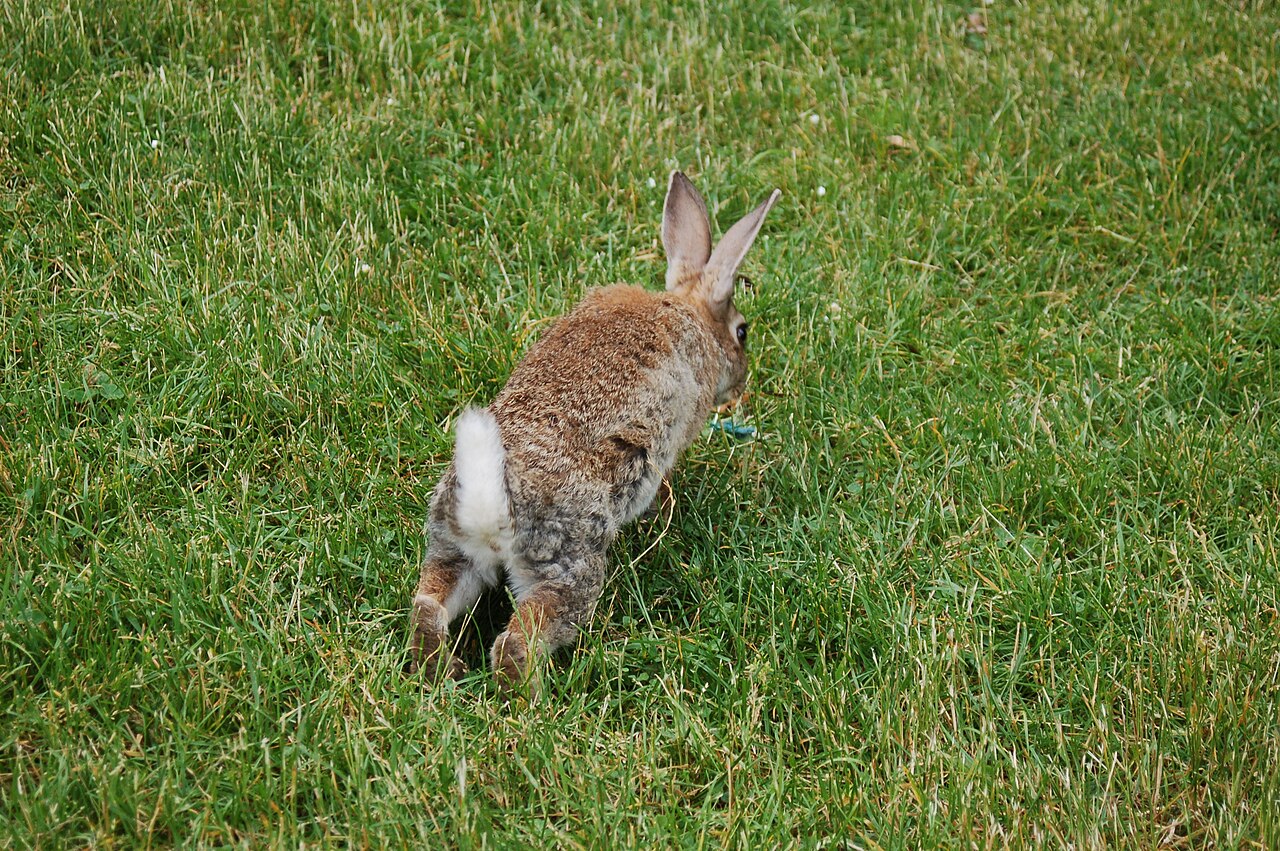
If your rabbit is gaining weight, the most common reasons are dietary: too many pellets or muesli mix, too many sweet treats, and not enough hay or movement to balance them. A safe overweight rabbit diet does not mean feeding less of everything. It means turning the proportions around — unlimited grass hay first, pellets carefully measured, leafy greens daily, and treats kept genuinely occasional — while a veterinarian checks that nothing medical sits behind the gain.
Weight gain can also follow pain, dental problems or reduced mobility. Treat diet changes and a veterinary check as partners, not alternatives, and never rush the process.
Possible Dietary Contributors to Weight Gain
Rabbits gain weight by regularly taking in more energy than they use — and the most fattening foods are often the ones owners think of as the main meal.
Too many pellets, or the wrong type
Pellets are concentrated. A bowl refilled whenever it empties can supply far more energy than a rabbit needs, and a rabbit full of pellets eats less hay. Muesli mixes make rabbit portion control harder: rabbits pick out the sweet, starchy pieces and leave the rest.
Treats, fruit and carrots adding up
A piece of carrot here, some fruit there, a treat stick, a yoghurt drop from another family member — together they can become a second, sugary meal every day. Treats from several people are a common blind spot, because nobody sees the total.
Rich hay for the wrong life stage
Alfalfa hay is a richer legume hay generally used for young, growing rabbits. For a healthy adult it may add more energy and calcium than is needed; grass hays such as timothy and meadow are the usual adult choice.
Too little hay, too little movement
Hay is bulky and slow to eat, so a hay-first rabbit spends much of the day chewing rather than consuming calories quickly. When hay is stale or scarce, that balance is lost. Space matters too: a rabbit with little room to exercise uses less energy, whatever the diet.
Age, neutering and health
Older rabbits move less, and neutered rabbits may gain more easily if portions stay set for a young, active animal. Pain is a hidden factor: sore teeth, sore hocks or stiff joints can reduce activity before an owner notices anything obvious.
How to Check Your Rabbit’s Body Condition
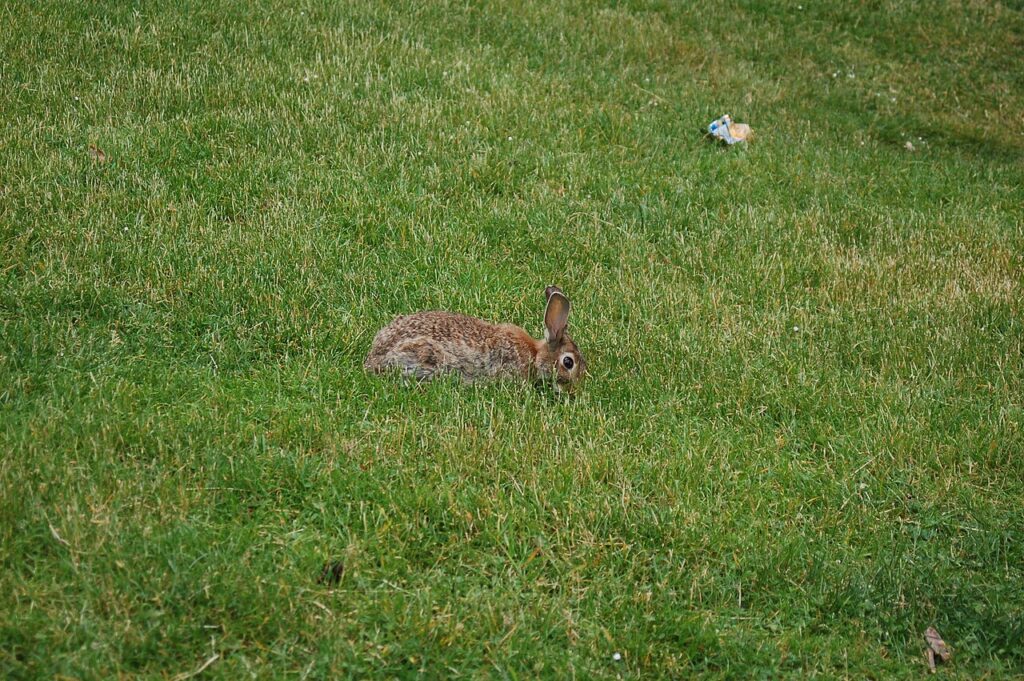
Scales alone do not tell the whole story, because a healthy weight varies with breed, frame and coat. Body condition is what you can feel under the fur — a skill your veterinarian can demonstrate so you can repeat it at home.
- Feel the ribs. With your rabbit calm and supported, run your hands gently along both sides. In good condition the ribs are feelable under a thin fat layer with light pressure; needing to press firmly suggests extra fat.
- Feel the spine and hips. Run a hand lightly along the back. These bones should be feelable and rounded — not buried in padding, and not sharp.
- Look from above and the side. A healthy outline tapers gently; a rounder, barrel-like shape suggests excess condition. Judge a dewlap — the fold under the chin — in context, as some breeds naturally carry one.
- Notice function. Struggling to groom, reach caecotrophs, move comfortably or keep the bottom clean shows weight is affecting daily life.
- Weigh and record. Weigh the same way, on the same scales, regularly, and write it down. A trend beats a single reading.
Thick coats can hide both gain and loss, so hands-on checks and weighing beat guessing from appearance.
See a Veterinarian Before Starting a Weight-Loss Plan
Before changing an overweight rabbit’s diet with weight loss as the goal, book an assessment with a rabbit-experienced veterinarian. They can confirm the gain is fat, check teeth, mobility and general health, and rule out pain or illness needing treatment in its own right.
They can also agree a target and pace, advise the right pellet amount for your rabbit’s size and condition, and say how often to reweigh. Older rabbits, rabbits with other conditions, and significantly overweight rabbits especially need that individual plan rather than general guidance — including this article.
Step One: Put Hay First
The foundation of healthy rabbit feeding is also the foundation of rabbit weight management: unlimited grass hay, at all hours. Do not reduce hay to reduce weight — it should never be rationed. Its fibre keeps the gut moving, its chewing wears the teeth, and it fills time without pellets’ concentrated calories.
- Refresh hay at least twice a day, wherever your rabbit grazes, including near the litter box.
- If interest is low, try a different grass hay or a fresher bag, and mix safe dried herbs through it to encourage foraging.
- If your adult mainly eats alfalfa, transition to grass hay gradually, increasing the grass share over time rather than swapping overnight.
- Check pellets and treats are not making hay look like the boring option.
Step Two: Measure Pellets and Take Control of Portions
Portion control comes down to one habit: measure the pellets every day, and treat that amount as the whole day’s ration. An egg-cup-sized serving of plain, high-fibre pellets is a common rough guide for an average adult, but confirm the right amount with your veterinarian, especially when weight loss is the aim.
- Measure rather than pouring by eye, and do not top the bowl up when it empties.
- Change amounts gradually, in small steps agreed with your veterinarian — never by suddenly cutting food.
- Choose plain pellets over muesli mixes, and transition between foods gradually.
- Scatter pellets through hay, so they take time to find instead of a minute to eat.
- Make sure everyone knows the plan; one extra handful can undo careful measuring.
Step Three: Keep Greens, Shrink the Treats
Leafy greens can stay. A daily handful of washed greens and herbs adds water, variety and grazing interest for relatively little energy. Introduce any new green gradually and watch appetite and droppings.
Treats are where the real savings are. Keep fruit and carrot to tiny pieces on occasional days only, and drop sugary commercial treats, yoghurt drops and seed sticks — rabbits do not need them. A sprig of a favourite herb usually works just as well as a reward.
Practical Changes Checklist
- Veterinary check booked before starting
- Body condition checked by hand; starting weight recorded
- Unlimited grass hay, refreshed often — never rationed
- Pellets plain and high-fibre
- Pellet portion measured daily, with no top-ups
- One agreed treat rule for the whole household
- Sugary commercial treats removed
- Daily exercise space and time reviewed
- Weigh-ins scheduled and written down
- Appetite, droppings and activity monitored
Movement, Space and Enrichment Help Too
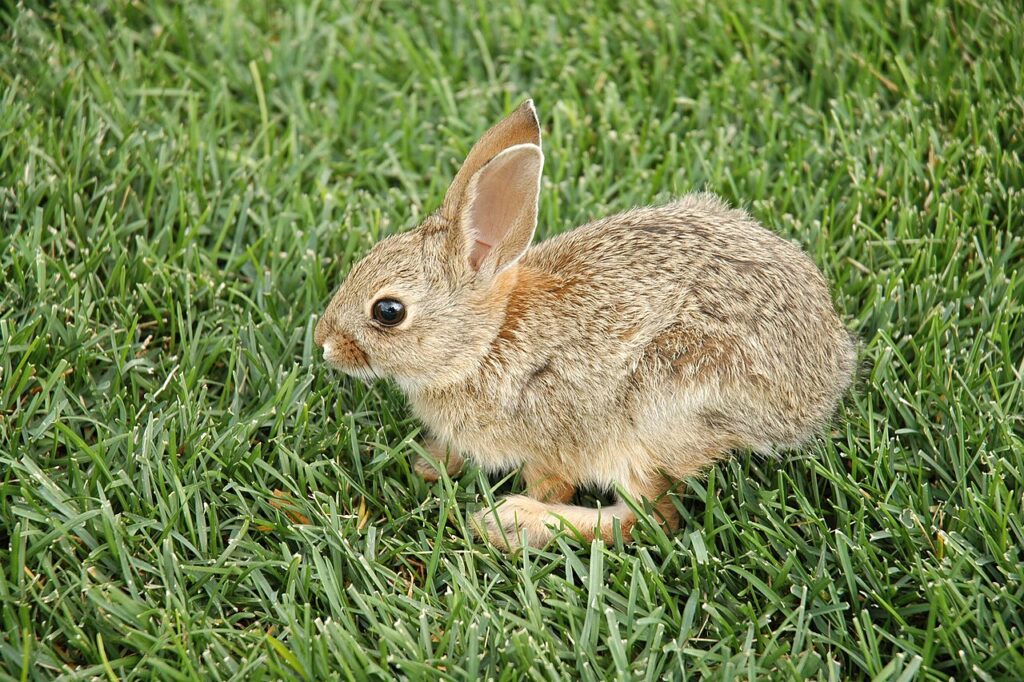
Diet is only half of rabbit weight management. Rabbits are built to move, forage and explore, and an active rabbit uses more energy and is less focused on food out of boredom. Provide as much secure exercise space and time as you can each day, with hiding places, tunnels and safe chew toys.
Make food part of the activity: hide greens in a hay pile, stuff hay into a cardboard tube, or use a simple food puzzle. Increase activity gently, especially for older or stiff rabbits, and never force exercise. A rabbit reluctant to move may be signalling pain, not laziness.
What Never to Do: No Crash Diets and No Withholding Food
Never starve a rabbit, withhold hay, or put a rabbit on a crash diet. Rabbits need food moving through their digestive system continuously, and a rabbit that stops eating can become seriously unwell very quickly. Suddenly removing food, drastically cutting portions overnight, or skipping meals to speed up weight loss is dangerous, not disciplined.
Safe weight loss is slow and steady: small, agreed adjustments to the energy-dense parts of the diet, hay always unlimited, progress reviewed with your veterinarian. If your rabbit stops eating during a diet change, contact a veterinarian promptly — do not push through it.
Monitoring Progress Without Obsessing
Weigh at the intervals your veterinarian suggests, the same way each time, and record weight, pellet amount and treats given. Pair the numbers with hands-on checks and everyday observations: moving more easily, grooming comfortably, eating hay eagerly, normal droppings.
Expect gradual change, not a dramatic before-and-after. If weight is not moving after a fair period, or falls noticeably faster than planned, return to your veterinarian rather than cutting food harder yourself.
Safety Notes: When to Contact a Veterinarian
Contact a rabbit-experienced veterinarian promptly if your rabbit stops eating or eats much less, produces smaller droppings or none, seems hunched, quiet or uncomfortable, grinds its teeth, drools, or has a swollen belly. Seek advice sooner for difficulty moving, sore patches on the hocks, a dirty bottom, or rapid weight change in either direction. An overweight rabbit that cannot groom properly needs its bottom checked daily, as soiled fur can attract flies in warm weather. Do not give medicines meant for people or other animals.
Conclusion
Rabbits usually gain weight for fixable reasons: concentrated food in unmeasured amounts, treats adding up unseen, hay slipping down the agenda, and too little movement. The remedy is practical — a veterinary check first, then hay first and always unlimited, pellets measured, treats rare, and more reasons to move. Keep changes gradual, keep records, and let your veterinarian steer the pace. Next step: feel your rabbit’s ribs today, note the weight, and book that check-up before changing a single portion.
Frequently Asked Questions
How can I tell if my rabbit is overweight?
Feel gently for the ribs, spine and hips: they should be easy to feel under a thin fat layer, not buried in padding. A rounded outline and a rising trend on the scales also point that way.
Can I help my rabbit lose weight by feeding less hay?
No — never reduce or withhold hay. Hay is high in fibre, relatively low in energy, and essential for digestion and teeth. Weight plans adjust pellets and treats instead, gradually and under veterinary guidance, while hay stays unlimited.
How quickly should a rabbit lose weight?
Slowly and steadily. There is no safe crash course for rabbits, and your veterinarian should agree the target and pace and review progress. Sudden weight loss, or a rabbit that stops eating, needs prompt veterinary attention.
Should I switch to a special weight-loss pellet?
What matters most is a plain, high-fibre pellet in a measured amount, not a marketing claim on the bag. Change pellets gradually, and ask your veterinarian whether a different product suits your rabbit.
My rabbit only eats a small diet but still gains weight — why?
Check hidden extras first: treats from other household members and pellet top-ups. If portions are genuinely modest, low activity, pain or another health issue may be involved, so book a veterinary assessment.
Related Guides on RabbitCare
These related guides cover the feeding details behind this plan:
- What Do Rabbits Eat? A Complete Guide to a Healthy Rabbit Diet
- How Much Hay Does a Rabbit Need Every Day?
- How to Choose the Best Rabbit Pellets: Ingredients and Feeding Tips
- Rabbit Treats: Healthy Rewards and What to Avoid
References
- House Rabbit Society (rabbit.org) — hay-based diets, body condition and rabbit care.
- RSPCA — rabbit diet, exercise and welfare guidance.