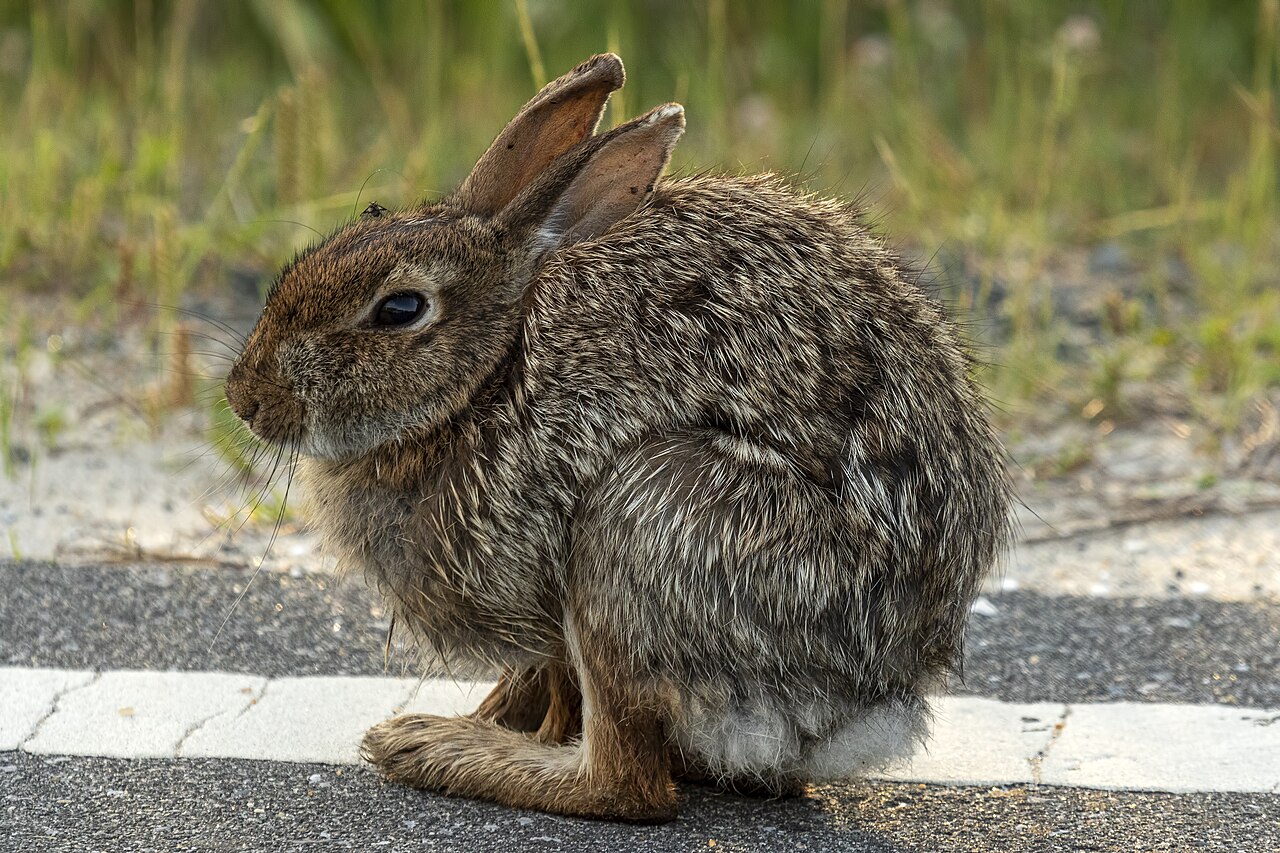
Rabbit tricks training works because rabbits learn by association: an action followed quickly by something good gets repeated. With nothing but tiny pieces of a favourite food, sessions of two to five minutes, and patience, most rabbits can learn to come when called, stand up on cue, spin in a circle, and hop over a low obstacle. There is no punishment, no forcing and no special equipment — and the training itself becomes bonding time. This guide covers the foundations, then four easy tricks step by step.
A housekeeping rule before anything else: training treats come out of your rabbit’s normal daily food allowance, and meals are never withheld to make a rabbit “work harder”. A hungry rabbit is a stressed rabbit, not a motivated student. Use pea-sized pieces of a favourite vegetable or herb — something your rabbit genuinely loves from their normal diet — and keep total amounts modest.
How Rabbits Learn: The Basics
Rabbits are intelligent, but they learn on their own terms, as prey animals who are always half-listening for danger. Three principles make training work:
- Reward the behaviour you want, immediately. The treat must arrive within a second or two of the action, or your rabbit cannot connect the two.
- Keep sessions very short. Two to five minutes is a full session. End while your rabbit is still enjoying it — ideally right after a success.
- Never punish. Shouting, tapping, squirting water or “telling off” teaches a rabbit only that you are frightening. If something goes wrong, the session was too hard or too long — make it easier next time.
Choose a quiet time and a familiar, safe space where your rabbit already relaxes and exercises. Train at floor level, let your rabbit come to you, and let them walk away whenever they choose. A rabbit who can leave, and chooses to stay, is learning happily.

Foundation One: Name Response and Coming When Called
Before tricks, teach the skill everything else builds on. Say your rabbit’s name (or your chosen call) and immediately offer a favourite morsel, close to you. Repeat a few times per session. Within days to weeks, most rabbits begin to look up at the sound; then start calling from a short distance so your rabbit takes a few steps to reach the treat. Gradually increase distance and add mild distractions, one small step at a time. This is not just a party piece — a reliable recall is genuinely useful for getting a rabbit safely back from free-roam time.
Foundation Two: Touch and Target Training
Target training teaches your rabbit to follow a guide, which unlocks most other tricks. Offer your open hand, or a clean stick or spoon as a target, a few centimetres from your rabbit’s nose. Rabbits investigate new objects nose-first; the moment their nose touches the target, mark it (see below) and reward. Once touching is reliable, move the target slightly each time so your rabbit steps to reach it, then follows it in short paths. Your rabbit is now, in effect, following a steering wheel — spin, obstacles and positioning all become simple variations.
Marking the Moment: Clicker or Word
A marker is a consistent sound that means “that — exactly that — earned the treat”. A clicker works well, but a short word like “yes” or a tongue click does the same job and keeps your hands free. Charge the marker first: sound, treat, sound, treat, a dozen times across a couple of sessions, until your rabbit visibly perks up at the sound alone. After that, mark the instant the behaviour happens, and always follow the mark with the reward. Consistency is what makes it work.
Trick 1: Come When Called
This is the name-response foundation used at distance:
- Call your rabbit’s name from a few steps away and show the treat. Mark and reward the moment they arrive.
- Build distance gradually across sessions — across the room, then from another room with the door open.
- Reward every success generously at first; once reliable, reward most times and praise always.
- Never call your rabbit to something unpleasant (being picked up for a dreaded task, going back to the enclosure early) without a treat payoff — protect the recall’s reputation.
Trick 2: Stand Up (Periscope)
Rabbits naturally rise on their hind legs to look around; this trick simply puts that behaviour on cue.
- Hold a treat just above your rabbit’s nose, slightly out of reach, so they stretch up towards it.
- As they rise onto their hind legs, mark and let them take the treat.
- Keep early stands brief — a second or two. Add a cue word like “up” once the movement is reliable.
- Never lift the treat so high that your rabbit overbalances backwards, and keep this trick occasional rather than drilled — standing is a momentary posture, not an exercise to hold.

Trick 3: Spin in a Circle
- Using your hand or target, guide your rabbit’s nose in a wide, slow circle at ground level, as if drawing a circle around them.
- The moment they complete the turn, mark and reward.
- Repeat a few times per session, always in the same direction at first, and add the cue “spin” once the movement is fluent.
- Gradually make your guiding gesture smaller until the cue word or a small hand signal is enough.
- Later, if your rabbit is keen, teach the opposite direction as a separate trick with a different cue.
Trick 4: Give a Paw or “High-Five”
Some rabbits naturally paw at objects; this trick shapes that gentle movement. Hold a treat in your closed hand at ground level so your rabbit sniffs and then paws at your hand. Mark and open the hand the instant a paw touches you. Repeat until the paw tap is deliberate, then offer your open palm instead and mark any paw contact with it. Be honest about temperament here: many rabbits never enjoy this one, and that is fine. Never pull or lift a rabbit’s foot, never persist with a rabbit who backs away — the rabbit chooses whether this trick joins the repertoire.
Trick 5: Hop Over a Low Obstacle
Rabbits jump naturally, and a low obstacle course is wonderful exercise — with strict limits. Keep obstacles genuinely low: a rolled towel, a low cardboard hurdle, something your rabbit can step or hop over without effort and knock aside safely if they misjudge. Always work on a non-slip surface. Lead your rabbit over with the target, mark and reward each crossing, and let them investigate the obstacle first. Never raise heights to test your rabbit, never force or chase them over, and skip jumping entirely for young rabbits whose joints are still developing, elderly rabbits, and any rabbit with stiffness or a known joint or back problem — for them, walking a ground-level maze of tunnels and boxes is the same game made safe.
Troubleshooting: When Training Stalls
| Problem | Likely cause | Fix |
|---|---|---|
| Rabbit wanders off mid-session | Session too long, or step too hard | Shorten to two minutes; go back to the last easy step |
| Rabbit ignores the treat | Wrong timing (just fed), or reward not valued | Train before a meal using normal rations; switch to a favourite herb |
| Rabbit seems nervous | Unfamiliar place, looming posture, too much pressure | Train in their own space, sit on the floor, let them approach and leave freely |
| Behaviour “forgotten” next day | Normal — learning takes repetition | Start each session one step back; consistency over days builds it |
| Rabbit grabs or lunges for treats | Over-excitement, pieces too large or offered too slowly | Offer smaller pieces promptly; reward calm approaches only |
Training Is Bonding Time
Ask owners why they keep training and most give the same answer: it changes the relationship. Sessions are shared games with rules both parties understand — your rabbit learns you are predictable and generous, and you learn to read your rabbit’s signals closely. That two-way understanding is the heart of bonding, and our guide on how to bond with your rabbit explores it further. Tricks are the visible result; trust is the real one.
Know When to Stop
Stop a session immediately if your rabbit thumps, flattens, tries repeatedly to leave, refuses treats they normally love, or shows any stress signals — ears pinned, tense body, attempts to hide. A rabbit who stops eating during or after training, or whose behaviour changes, may be unwell rather than stubborn, and pain is a common hidden reason rabbits “won’t co-operate” — if in doubt, a vet check comes before more training. Trick training should always be the easiest part of your rabbit’s day: if it stops being fun for either of you, it stops, full stop.
Conclusion
Teach a rabbit tricks the rabbit way: mark and reward instantly, keep sessions to a few minutes, take food from the normal ration and never withhold meals, and build each trick in tiny steps — recall and targeting first, then standing, spinning, a chosen paw tap, and low hops for rabbits who are fit for them. Quit while you are winning, stop at any sign of stress, and enjoy what training really produces: a rabbit who watches you with interest, expecting good things. That expectation is worth more than any trick.

Frequently Asked Questions
How long does it take to teach a rabbit a trick?
Simple behaviours like coming when called or a spin often appear within a few short sessions, and become reliable over one to three weeks of daily two-to-five-minute practice. Every rabbit differs; progress at your rabbit’s pace and celebrate small steps.
What treats should I use for training?
Pea-sized pieces of a favourite vegetable or herb from your rabbit’s normal daily allowance — something they genuinely love. Never withhold meals to increase motivation, and keep treat foods within the usual diet rather than adding sugary extras.
Do I need a clicker?
No. A clicker is a convenient marker, but a consistent short word or tongue click does the same job. What matters is that the sound is always the same, happens the instant the behaviour does, and is always followed by the reward.
Can older rabbits learn tricks?
Yes — older rabbits learn the same way, often calmly and quickly. Skip jumping tricks for elderly or stiff rabbits, keep sessions gentle and short, and favour recall, targeting and spins at their pace.
Is it cruel to teach a rabbit tricks?
Not when it is done with positive reinforcement only: tiny rewards, very short sessions, freedom to walk away, and no punishment or forcing. Done that way, training is enrichment and bonding that most rabbits visibly enjoy.
Related Guides on RabbitCare
References
- House Rabbit Society (rabbit.org) — guidance on rabbit behaviour, learning and positive training.
- RSPCA — advice on rabbit training, enrichment and building trust with your rabbit.