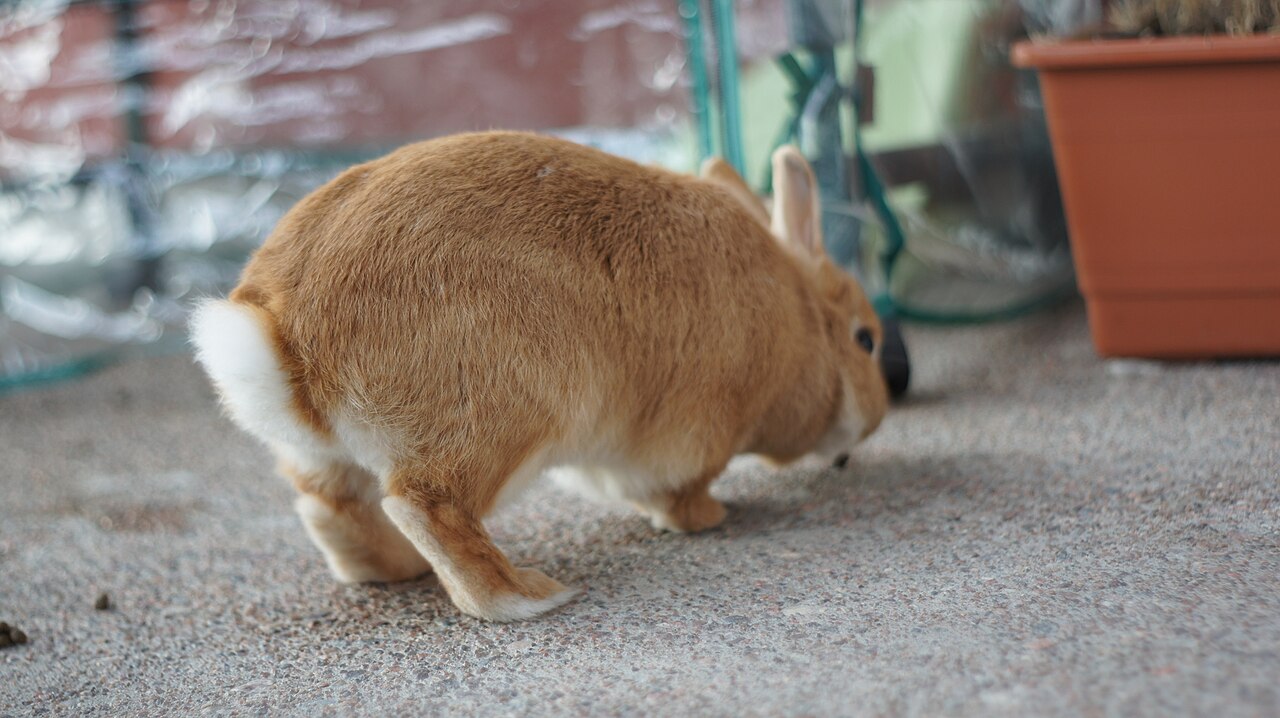
Rabbit fur mats — tight, felted clumps of tangled fur — can usually be removed safely at home, provided you work slowly and follow one golden rule: never pull a mat out, and never cut blindly against the skin. Small, loose mats tease apart with fingers and a comb; a mat that sits tight against the skin needs a comb used as a guard between the mat and the scissors, or a trip to a vet or experienced groomer. This guide explains where mats form, why they matter, and how to remove them without injuring the very thin skin underneath.
Rabbit skin is far more delicate than a cat’s or dog’s — thin, loose and easy to tear or nick. Almost every grooming injury vets see from mat removal comes from rushing. Give yourself time, good light and a calm rabbit, and most mats are a nuisance rather than an emergency.
What Mats Are and Why They Form
A mat starts as a tangle: a few loose hairs catch on each other instead of falling away. Movement rubs the tangle, shed fur feeds into it, and over days or weeks it felts into a dense pad that sits ever closer to the skin. Mats form fastest where three ingredients combine:
- Loose fur: shedding seasons supply a constant stream of dead hair ready to tangle.
- Friction: areas that rub — against the ground, against bedding, or between body parts — felt the fastest.
- Damp or dirt: wet fur tangles far more readily than dry fur, and a soiled bottom mat is often a matted bottom too.
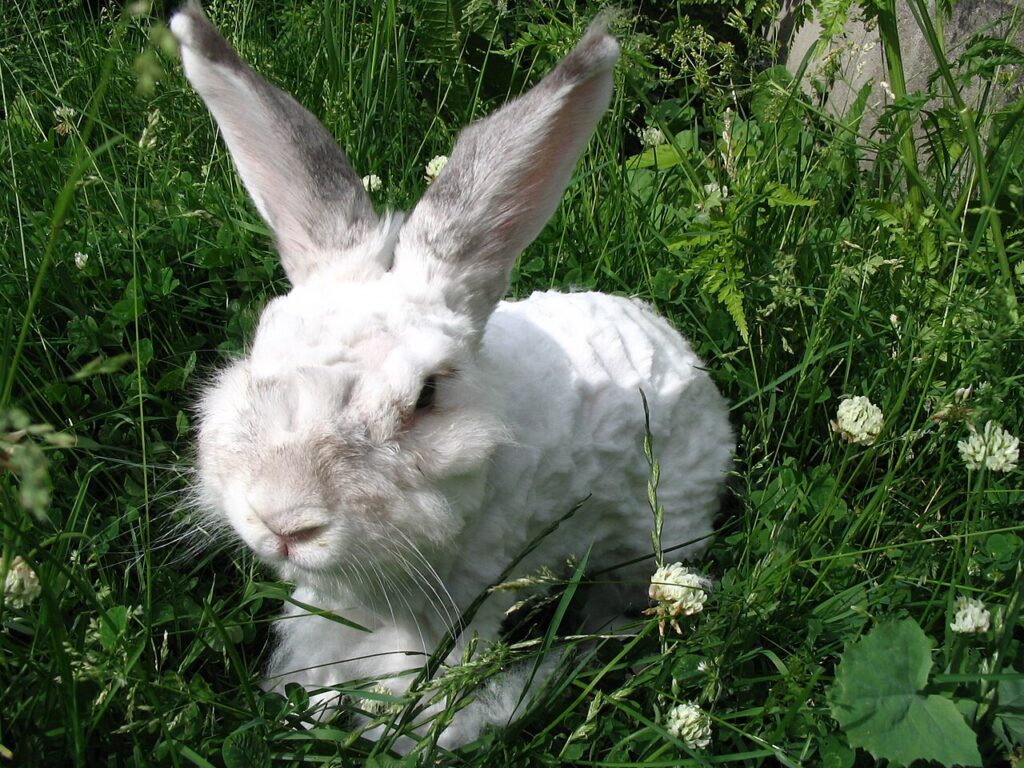
Long-haired rabbits mat at a completely different speed from short-coated ones; an angora-type coat can go from silky to felted in days without brushing. But any rabbit can mat — an elderly or arthritic rabbit who can no longer groom their own back end is a classic short-coated example.
Where Mats Form
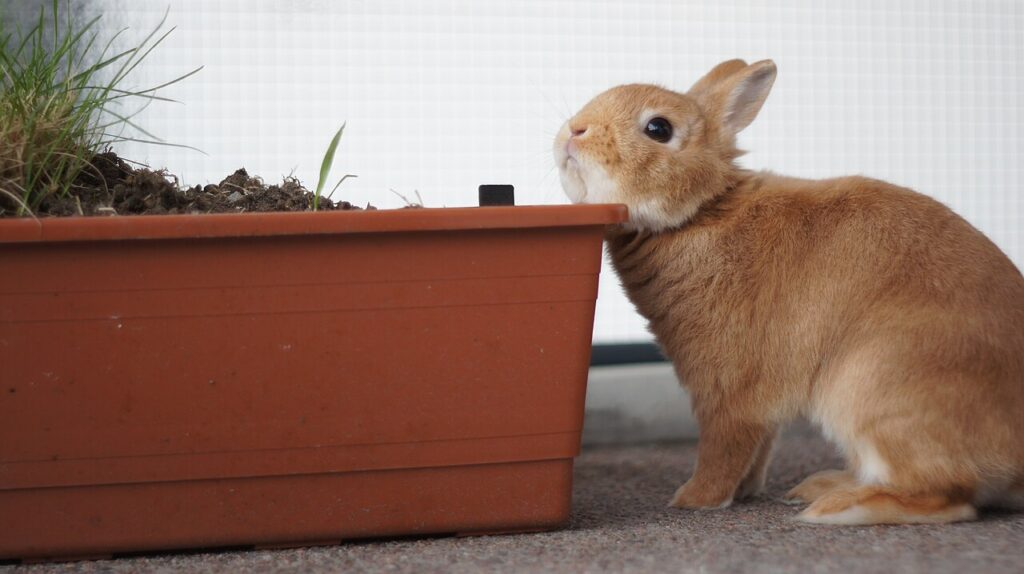
Check these friction zones first during every grooming session:
- Behind the ears — soft, fine fur in a spot rabbits scratch and rub.
- The armpits — the front legs rub the chest with every hop; mats here are small, tight and easily missed.
- The belly — long fur dragged along the ground and through bedding.
- The bottom and “skirt” — the fringe of longer fur around the rear and tail, where dampness and droppings speed felting.
- The sides of the hind feet and hocks on long-haired breeds, where coat meets the floor.
Why Mats Matter
A mat is not just an untidy patch of fur. As it tightens, it pulls constantly on the thin skin beneath, which is uncomfortable at best and painful at worst — a rabbit with matted armpits may move less simply because walking tugs. Under the mat, air cannot reach the skin, so moisture, shed skin and dirt build up in the dark, and sore or infected skin can develop unseen until the mat comes off. Broken skin can be hiding under a mat that looked harmless from above.
The bottom deserves special mention. A mat around the rear traps droppings and urine against the skin, causes urine scald, and — in warm weather — creates exactly the soiled, damp conditions that attract egg-laying flies. Flystrike can kill, and a matted bottom is one of its biggest risk factors. A mat there is never something to leave until next week.
Before You Start: What You Need
- A comb — your most important tool, used both to work mats out and as a skin guard
- Blunt-ended (round-tipped) scissors, if cutting becomes necessary
- A towel or non-slip mat, good light, and a calm helper if your rabbit is wriggly
- Your rabbit’s favourite food, for breaks and rewards
Work low, at floor level or with your rabbit settled on a towel on your lap, and stop the moment your rabbit fights. A struggling rabbit and sharp tools are a dangerous combination; mats can always wait an hour, a torn skin wound cannot be undone.
The Safe Removal Ladder
Always start at step 1 and only move down the ladder if the gentler step fails.
Step 1: Tease apart with fingers
Hold the base of the mat — the part nearest the skin — firmly between the fingers of one hand, so any tugging is absorbed by your hand rather than your rabbit’s skin. With the other hand, gently pull the mat apart into smaller pieces, working loose hairs free from the edges. Many small mats, caught early, come out entirely at this stage. If your rabbit flinches, you are pulling skin — grip the base more securely and work smaller sections.
Step 2: Comb out from the tips down
For a mat that survives finger teasing, work a comb through it from the very tips of the fur downwards, in tiny sections, always holding the base of the mat so the skin is not pulled. Think of it as unpicking a knot one strand at a time rather than dragging a brush through it. Split a big mat into halves and quarters with your fingers first; small pieces comb out quickly, and a whole mat never will. This step takes patience — ten calm minutes is normal for a stubborn one.
Step 3: If it is tight to the skin — cut, with a guard
Some mats have felted into a pad that sits directly on the skin and will not comb out. Only then, cut — but cut safely:
- Slide a comb flat between the mat and the skin, sliding it along the skin until the mat sits entirely on top of the comb.
- Cut OUTSIDE the comb — on the far side from the skin — with blunt-ended scissors. The comb is your guard: the blades never go near skin.
- Never cut into a mat blindly. Rabbit skin is loose and gets pulled up inside mats, so the middle of a mat can contain a fold of skin. Cutting where you cannot see has nicked and torn many rabbits.
- Never pull a mat out or rip it away with a brush. The skin will tear before the mat lets go.
If you cannot slide a comb under the mat, the mat is too tight for home removal. Stop, and book a vet or an experienced groomer, who can clip it out with proper equipment.
When clipping or shaving is needed
Very tight, extensive or bottom-area mats often need electric clippers, and that is a job for a vet or an experienced professional groomer only. Clippers can catch and cut loose rabbit skin in an instant in untrained hands, and a frightened rabbit may need sedation for an extensive de-matting. There is no shame in booking this in — professionals de-mat rabbits every week.
Check the Skin Afterwards
Removing the mat is only half the job. Part the surrounding fur and inspect the skin closely. Healthy skin is pale and intact. Redness, sores, broken skin, scabs or a smell mean the skin underneath has suffered — clean nothing aggressively, apply nothing from your own medicine cabinet, and book a vet appointment. A small superficial nick from a comb or scissors will usually settle, but any cut that is more than superficial, that gapes, or that keeps bleeding needs veterinary attention the same day. Watch the area over the following days, too: sores hidden under mats sometimes only declare themselves once air reaches them.
Preventing Mats
Prevention is a brushing habit, not a product. How often you need to brush depends entirely on coat: most short coats manage with a weekly session, while long coats may need attention every day or two. Our guide on how often to brush a rabbit breaks the schedule down by coat type — follow it, and mats rarely get started. Add these habits:
- Brush more during shedding. Loose fur left in the coat is mat material; step up frequency during a moult.
- Keep the bottom clean and dry. Check daily, clean soiling gently the same day, and investigate repeated mess — it often signals a diet, teeth or mobility problem.
- Mind the bedding. A dry, frequently changed bed means a dry coat; damp bedding against a long skirt is a mat factory. Our best bedding for rabbits guide covers dry, absorbent options.
- Feel, don’t just look. Run fingers to skin level in the friction zones weekly; your hands find pea-sized mats your eyes miss, and pea-sized mats take a minute to tease out.
Owners of long-haired rabbits should also read our long-haired rabbit grooming guide, which covers the daily routine those coats genuinely need.
Conclusion
Rabbit fur mats are removed safely by working down a ladder: fingers first, then a comb in tiny sections with the base held so skin is never pulled, and only then careful cutting with a comb flat against the skin as a guard. Never pull a mat out, never cut where you cannot see, and leave tight or extensive matting to a vet or groomer with clippers. Check the skin once the mat is gone, and prevent the next one the boring way — brushing matched to your rabbit’s coat, a clean dry bottom, and weekly fingers through the friction zones.
Frequently Asked Questions
Can I just pull a mat out with a brush?
No. A mat will not release before the thin skin beneath it tears. Brushing a mat out by force is one of the most common causes of grooming injuries. Tease mats apart gently with fingers, comb them out from the tips in tiny sections, or guard the skin with a comb before cutting.
Is it safe to cut mats out with scissors?
Only with a guard: slide a comb flat between the mat and the skin and cut outside the comb with blunt-ended scissors. Rabbit skin is loose and often pulled up inside a mat, so cutting into a mat without a comb between blade and skin risks a serious nick or tear.
What if a mat is tight against the skin?
If you cannot slide a comb underneath it, do not attempt home removal. Book a vet or an experienced groomer, who can clip the mat out safely. This is especially important for mats around the bottom, where the skin is delicate and the flystrike risk is high.
Why does my rabbit keep getting mats around the bottom?
Usually because the bottom is getting soiled or damp — and that itself has a cause worth finding: a diet too rich in carbohydrates, teeth problems, arthritis or obesity making it hard for your rabbit to clean themselves or eat their caecotrophs. Persistent dirty bottoms deserve a vet check, not just more cleaning.
How do I stop mats forming in the first place?
Brush on a schedule matched to the coat — weekly for most short coats, every day or two for long coats, and more during shedding. Keep the bottom clean and dry, keep bedding dry, and feel through the friction zones weekly so tiny tangles are dealt with before they felt.
Related Guides on RabbitCare
References
- House Rabbit Society (rabbit.org) — guidance on rabbit grooming, coat care and safe handling.
- RSPCA — advice on rabbit grooming, flystrike prevention and welfare.