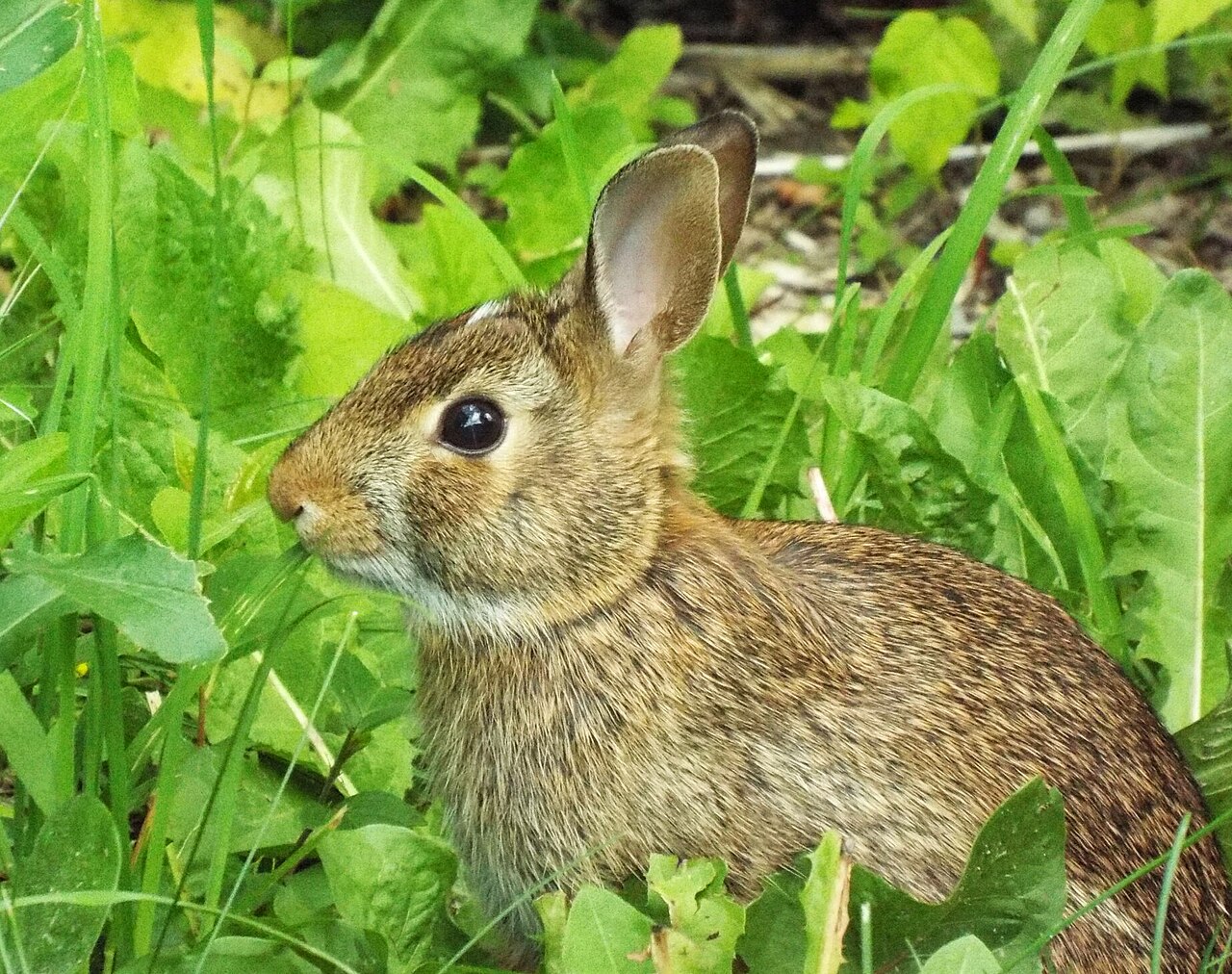
So, can rabbits eat fruit? Yes, most healthy adult rabbits can eat small amounts of certain fruits, but fruit is a treat, not a food group. The everyday diet should be built on unlimited grass hay, daily leafy greens, a measured portion of plain pellets, and fresh water. Fruit sits at the top of that pattern: a tiny, occasional extra, never a regular part of the bowl. If you remember one rule, make it this — hay first, fruit last and least.
Many fruits are safe in small pieces. The issue is balance: fruit is sweet and filling, and a rabbit that fills up on sweetness has less appetite for the fibrous foods its digestion and teeth depend on.
Why Fruit Is a Treat, Not a Staple
A rabbit’s digestive system is designed for grasses and leafy plants: high in fibre, low in sugar. Fruit is almost the opposite profile — soft, quickly eaten, and sweet, so it provides little of the long chewing and gut movement that hay delivers. Offered freely, it can quietly take over the diet.
Sugar is the main concern. Too much of it can disturb the balance of bacteria in a rabbit’s gut, showing up as soft droppings, uneaten caecotropes, or a reduced appetite for hay. Regular sweet treats can also contribute to gradual weight gain. None of this means fruit must be banned — it means rabbit fruit portions should stay small, and treat days occasional.
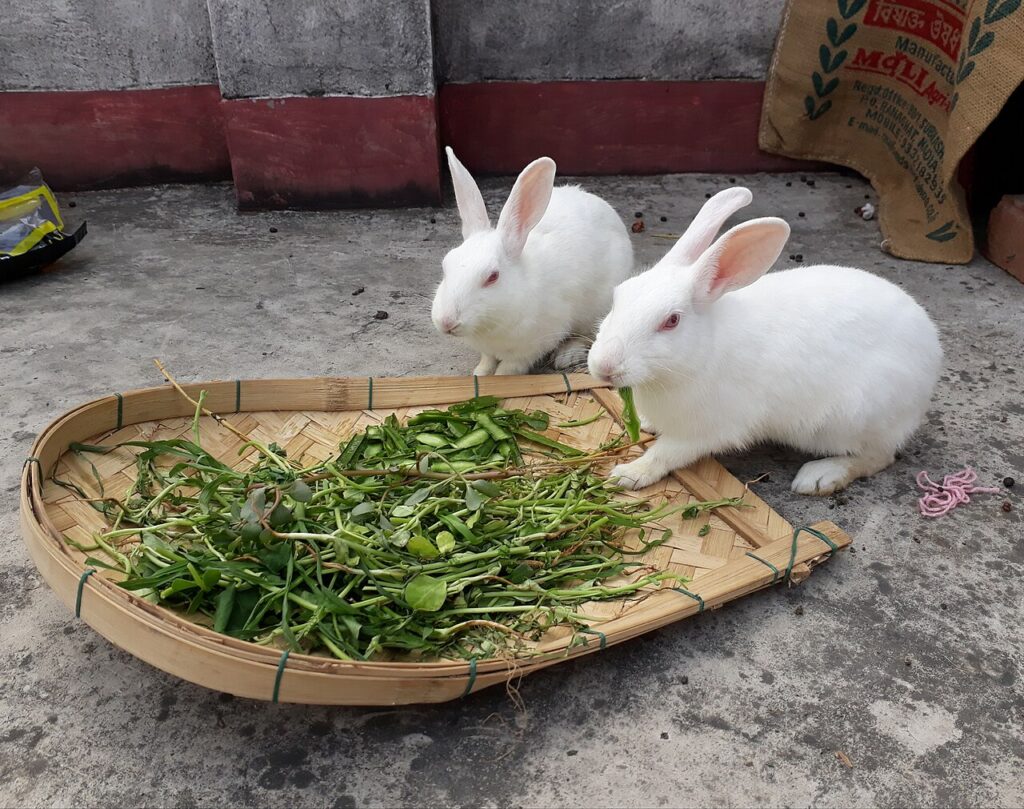
Safe Fruit for Rabbits: A Cautious List
The fruits below are commonly fed to rabbits as rabbit treats and are generally considered suitable in small amounts, provided they are fresh, washed, and prepared properly. Every rabbit is an individual, so introduce anything new one fruit at a time, in a tiny piece, and watch how your rabbit responds before offering it again.
- Apple. Wash it, cut a small piece of flesh, and always remove the pips and core first.
- Banana. Very sweet and filling, so keep pieces especially small. Peel it, and do not feed the skin.
- Berries. Strawberries, raspberries, blackberries, and blueberries are often well accepted. One berry is a sensible portion.
- Pear. Serve a small piece of flesh with pips and core removed.
- Peach and plum. Only ever the flesh, in a small piece. The stones must always be removed and never fed.
- Melon. Serve a small piece of flesh without seeds or rind.
- Pineapple and mango. Both are sweet, so keep them as rare extras in very small pieces.
If a fruit is not on a trusted safe list, do not guess. Check the House Rabbit Society or the RSPCA, or ask a rabbit-experienced veterinarian, before offering it.
Fruit Portions and Preparation at a Glance
| Fruit | Sensible treat portion | Preparation |
|---|---|---|
| Apple | A small bite-sized piece | Washed; pips and core removed |
| Banana | A thin slice | Peeled; keep it especially small |
| Berries | One berry | Washed; stalk removed |
| Pear | A small bite-sized piece | Washed; pips and core removed |
| Peach or plum | A small piece of flesh | Stone removed and never fed |
| Melon | A small piece of flesh | Seeds and rind removed |
| Dried fruit | Best avoided | Sugar is concentrated — see below |
Rabbit Fruit Portions: How Much and How Often?
Think in bites, not bowls. For an average healthy adult rabbit, roughly a teaspoon-to-tablespoon-sized piece of fresh fruit — one berry, a thin banana slice, or a small cube of apple — is a sensible treat serving. That is a rough guide, not a target: smaller, overweight, or sensitive rabbits should have less, or none at all.
Frequency matters as much as size. Fruit does not need to appear every day, and many rabbits do well with it only a few times a week. Do not stack sweet treats together: if fruit is offered today, skip the carrot and any other sweet extra, and let fruit be the day’s only treat.
Seeds, Pits and Stones: What Must Never Be Fed
Preparation is where fruit safety is won or lost. Apple pips and the stones of peaches, plums, cherries, and apricots must always be removed and thrown away where your rabbit cannot reach them. Fruit stones are hard, indigestible, and not food, and pips and stones are best treated as unsafe in every case.
Cores, stalks, and rinds should come off too, as they are harder to digest. And one fruit should never be offered in any form: avocado. It is not a safe food for rabbits and many other animals, so keep it entirely off the menu, flesh included.
Finally, serve fruit fresh and plain. Never offer fruit tinned in syrup, cooked into puddings, or coated in yoghurt or chocolate. If it is a human dessert, it is not a rabbit treat.
Dried Fruit: Small Pieces, Concentrated Sugar
Dried fruit deserves special caution. When fruit is dried, the water is removed but the sugar remains, so raisins, dried banana chips, or dried papaya pack far more sweetness into each bite than the same weight of fresh fruit. It is easy to overfeed without realising it, because the pieces look harmless.
So dried fruit is best avoided as a routine treat, and sugary dried mixes sold as rabbit snacks should be read with suspicion — if sugar, honey, or oils appear on the label, leave the product on the shelf. If you ever do offer a single small piece of unsweetened dried fruit, count it as the whole day’s treat. Fresh fruit, in a small piece, is almost always the safer option.
How to Introduce Fruit Gradually
A rabbit’s gut adapts slowly, so new foods should never arrive in quantity or all at once:
- Start with one fruit only, in a piece smaller than a normal treat portion.
- Offer it alongside the usual hay, greens, and pellets — change nothing else that day.
- Watch appetite, behaviour, and droppings over the following day.
- If everything looks normal, that fruit can occasionally be offered in a normal small portion.
- If droppings soften or appetite dips, stop that fruit, return to hay and familiar foods, and try a different fruit another week — or leave fruit out altogether.
This approach has a practical benefit: if a treat does not agree with your rabbit, you will know exactly which food caused the problem.
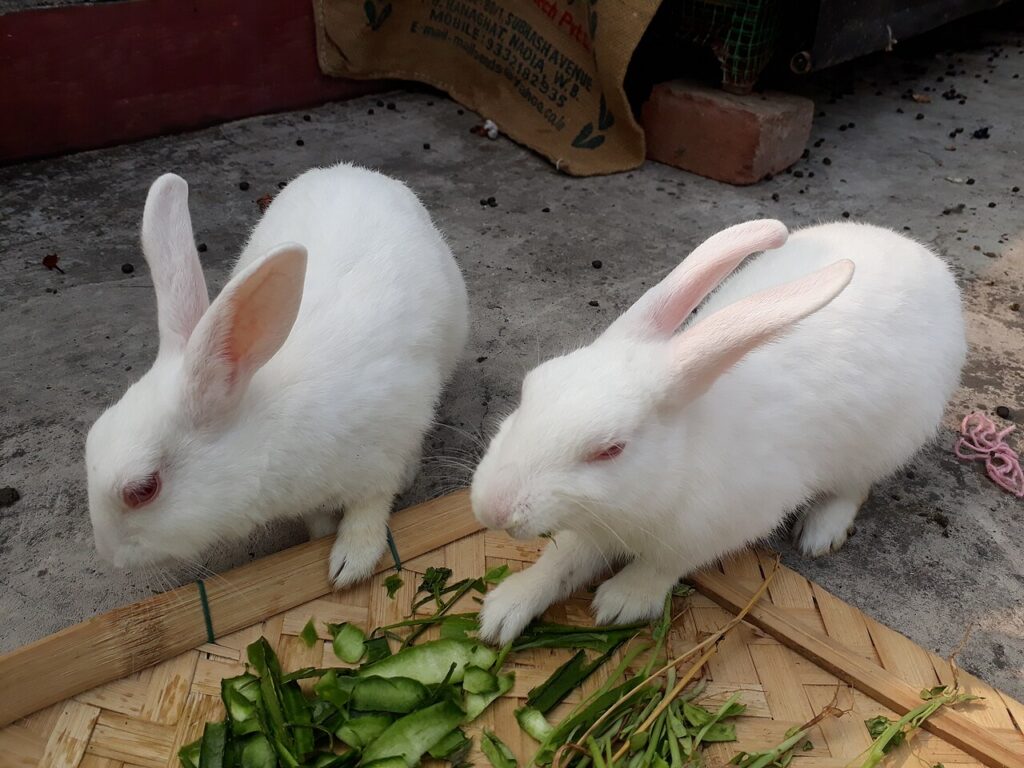
Signs a Treat Does Not Agree With Your Rabbit
Even a generally safe fruit can upset an individual rabbit, especially the first time or if the portion creeps up. Watch for these signs over the next day:
- Droppings that become soft, sticky, unusually small, or much less frequent
- Uneaten caecotropes stuck to the fur or left around the enclosure
- Reduced interest in hay or in the usual greens
- A quieter rabbit than usual, sitting hunched or hiding away
- Tooth grinding, drooling, or signs of discomfort
- A swollen or hard-feeling belly
A single mild sign after a new food is a signal to stop that food, return to unlimited hay and water, and monitor closely. Reduced eating should never be left for days, because rabbits that stop eating can become seriously unwell very quickly.
Fruit for Young, Older and Overweight Rabbits
Young rabbits
Babies rely on their mother’s milk, then move gradually onto hay and solid foods as they wean. Young digestive systems are especially sensitive, and sweet treats are not a priority. Fruit is best left until a young rabbit is weaned and eating hay confidently — and even then, introduced in tiny amounts, one fruit at a time. Ask a rabbit-experienced veterinarian if you are unsure.
Older and less active rabbits
Senior rabbits may gain or lose weight more easily, and sometimes have dental problems that make eating harder. Keep fruit rare and pieces small, and never use treats to tempt a rabbit who has stopped eating properly — loss of appetite needs a veterinary check, not a sweeter menu.
Overweight rabbits
If your rabbit needs to lose weight, fruit should be one of the first things to go. Replace it with rewards that do not add sugar: a favourite herb, a leafy green, or a few minutes of attention and play.
Healthier Everyday Rewards
Most of what owners want from fruit — a happy rabbit running over at treat time — can be achieved without sugar. Fresh herbs such as coriander, parsley, mint, and basil are aromatic and fit naturally into the daily greens. A cardboard tube stuffed with hay can work just as well as a reward.
Safety Notes: When to Contact a Veterinarian
Contact a rabbit-experienced veterinarian promptly if your rabbit stops eating, produces much smaller droppings or none at all, seems hunched or quiet, grinds its teeth, drools, or shows a swollen belly — whether or not fruit has been fed. Do not wait days to see if it passes, and do not try to diagnose or treat it yourself. Seek urgent advice the same day if your rabbit has eaten fruit stones, avocado, or a large amount of any sweet food. If unsure whether a fruit is safe, do not feed it until you have checked.
Conclusion
Fruit can be part of a rabbit’s life, but only a small part: a bite-sized piece of a safe fruit, prepared without seeds, pips, or stones, offered occasionally rather than daily, and never instead of hay, greens, or pellets. Avoid dried fruit where you can, introduce every new fruit gradually, and let droppings and appetite tell you whether a treat has landed well. Next step: check a treat’s size against your thumbnail — if it is bigger, it is probably too much.
Frequently Asked Questions
Can rabbits eat fruit every day?
Better not. Fruit is sweet and filling, and daily servings can reduce hay eating and add unnecessary calories. A small piece a few times a week, or less, suits most healthy adults, with herbs and leafy greens providing everyday variety instead.
Can rabbits eat banana?
Yes, in a very small amount. Banana is one of the sweeter fruits, so a thin peeled slice is plenty for an average adult, and it should not be offered alongside other sweet treats the same day.
Can rabbits eat dried fruit and raisins?
Dried fruit is best avoided. Drying removes the water but concentrates the sugar, so a few raisins deliver far more sweetness than a similar-looking portion of fresh fruit. Choose fresh fruit instead, and skip dried mixes with added sugar, honey, or oils.
Can baby rabbits eat fruit?
Not as an early food. Young rabbits have sensitive digestive systems, and fruit should wait until a rabbit is weaned, eating hay well, and settled on solid foods. Even then, introduce it in tiny amounts, one fruit at a time.
Which fruits should rabbits never eat?
Avocado should never be fed in any form, and neither should fruit stones, pips, or cores — including peach, plum, cherry, and apricot stones and apple pips. Fruit tinned in syrup and cooked desserts should also stay off the menu.
Related Guides on RabbitCare
These related guides will link here once they are published:
- What Do Rabbits Eat? A Complete Guide to a Healthy Rabbit Diet
- Can Rabbits Eat Carrots? Facts About Sugar, Portions and Safety
- Foods Rabbits Should Never Eat: A Practical Safety List
- Rabbit Treats: Healthy Rewards and What to Avoid
References
- House Rabbit Society (rabbit.org) — guidance on hay-based diets and general rabbit care.
- RSPCA — rabbit diet and welfare guidance.