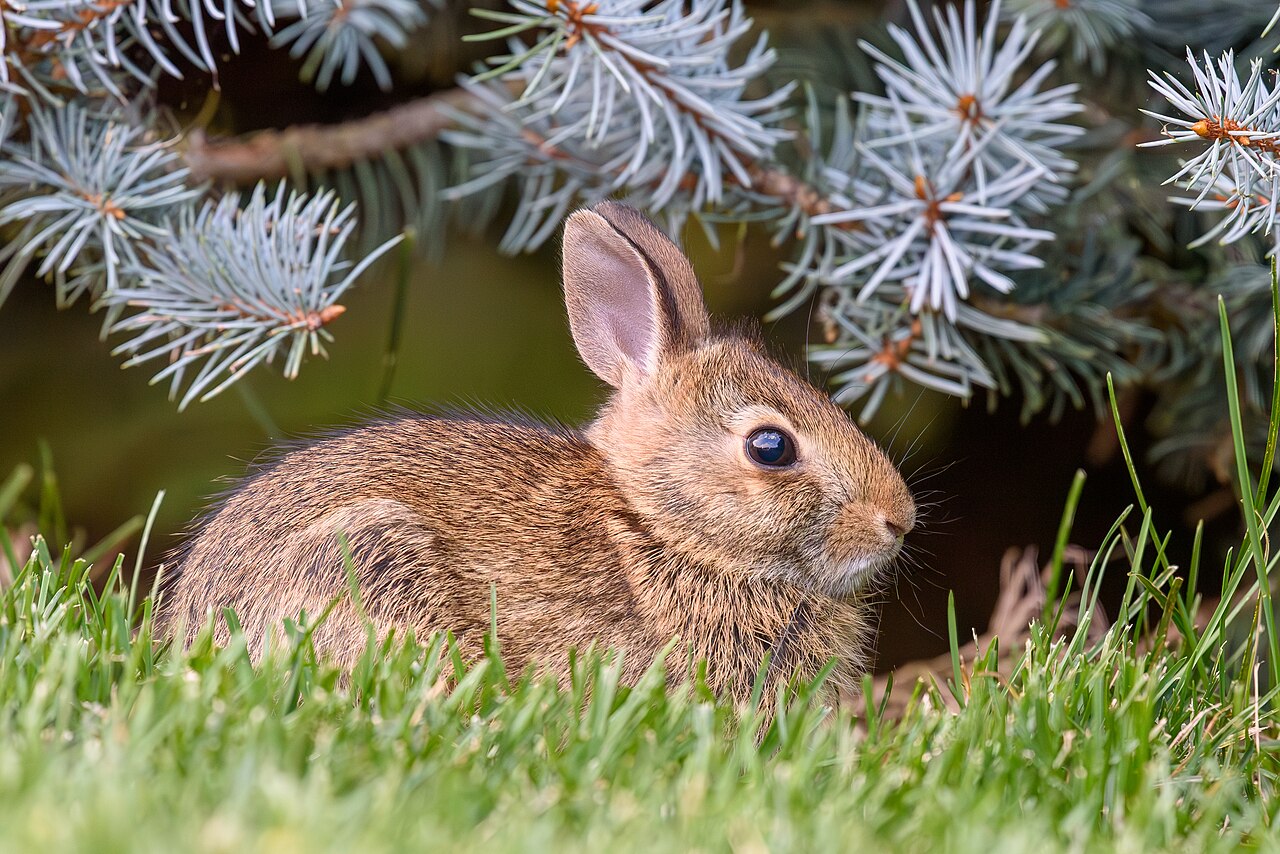
If you are weighing up timothy hay vs alfalfa hay, the short answer is this: for most healthy adult rabbits, timothy hay — a grass hay — is the better everyday choice, while alfalfa hay is a richer legume hay that is generally better suited to young, growing rabbits. Both should be offered freely while they are the right hay for your rabbit’s life stage, because hay itself is never a food to ration. Neither hay is good or bad in itself; they simply provide different levels of richness, and a rabbit’s needs change as it grows.
Rabbits often prefer the richer hay, so preference alone is not a reliable guide. Use life stage and veterinary advice instead.
Why the Type of Hay Matters
Hay does several jobs at once. Its long fibre keeps the digestive system moving, its chewing action helps wear down teeth that grow continuously, and foraging through it occupies a rabbit for hours. Those benefits come from hay in general, whichever suitable type you feed.
Where rabbit hay types differ is in how rich they are. A hay higher in protein, calcium, and energy can be useful for a body still building bone and muscle. The same richness, fed as the main hay to a healthy adult who has finished growing, can contribute to weight gain and to more calcium than that rabbit needs. Choosing well is about matching the hay to the life stage, not finding a single winner for every rabbit.
What Is Timothy Hay?
Timothy is a grass, and timothy hay is dried timothy grass. It typically has long, coarse stems and seed heads, a pale green to golden colour, and a sweet, grassy smell when fresh. That coarseness is part of its value: it takes plenty of chewing.
You may see timothy described by cut. Earlier cuts tend to be coarser and stemmier, while later cuts tend to be softer and leafier. Labels vary between suppliers, so treat them as a guide to texture, not a promise of nutrition. Try a softer cut if a coarse one is refused.
Other grass hays include meadow hay and orchard grass, which are close relatives in feeding terms and can be offered instead of, or mixed with, timothy.
What Is Alfalfa Hay?
Alfalfa, also called lucerne, is not a grass. It is a legume, in the same plant family as peas and clover, and alfalfa hay is made from the dried plant. It is usually greener, leafier, and softer than timothy, with finer stems and a richer smell, which is why many rabbits find it especially tasty.
Because it is a legume, alfalfa is naturally richer: higher in protein, calcium, and energy than grass hays, while still providing useful fibre. Think of it as a growth-supporting hay rather than a plain everyday hay — an advantage at the right time of life, and a drawback at the wrong one.
Timothy vs. Alfalfa: A Side-by-Side Comparison
| Feature | Timothy hay | Alfalfa hay |
|---|---|---|
| Type | Grass hay | Legume hay |
| Fibre | High fibre, long and coarse | Good fibre, generally finer and leafier |
| Protein | Lower — suited to maintenance | Higher — suited to growth |
| Calcium | Lower | Higher |
| Energy and richness | Leaner, less rich | Richer and more energy-dense |
| Typical texture | Long stems, seed heads, firmer to chew | Softer, leafier, crumbles more easily |
| Typical life stage | Healthy adults and older rabbits | Young, growing rabbits |
| Everyday use | Usual main hay for healthy adults | Not usually the main hay for healthy adults |
The pattern is simple: timothy is the leaner, higher-fibre maintenance hay, and alfalfa is the richer, growth hay. Neither should ever run out while it is your rabbit’s chosen hay.
The Best Hay for Adult Rabbits
For a healthy adult who has finished growing, a grass hay is normally the right foundation, and timothy is the most widely used choice. When people ask about the best hay for adult rabbits, the honest answer is the grass hay your rabbit eats in large amounts daily — timothy, meadow, orchard grass, or a mix.
A grass-hay diet helps keep weight steadier, provides chewing for dental wear, and avoids unnecessary extra calcium and protein alongside greens and measured pellets. If an adult is fed mainly alfalfa, do not panic: discuss it at the next veterinary visit, and mix in grass hay as described below.
A note on weight
If an adult is gaining weight, do not cut down hay. Keep unlimited grass hay, look first at pellets and treats, and encourage exercise. If an adult is losing weight, do not simply switch to alfalfa — weight loss can have dental or other medical causes, and a rabbit-experienced veterinarian should assess the rabbit first.
Alfalfa for Baby Rabbits and Growing Youngsters
Young rabbits are building a skeleton, teeth, and muscle at speed, and their diet needs to support that growth. That is why alfalfa for baby rabbits and growing youngsters is so commonly recommended: its extra protein, calcium, and energy match what a growing body uses.
Babies first rely on their mother’s milk, then nibble foods around them as they wean. Youngsters should always have hay available, and many keepers offer alfalfa alongside, or instead of, grass hay during growth.
- Keep hay available at all times once a young rabbit is eating solid food.
- Introduce any new hay gradually, watching appetite and droppings.
- Ask your veterinarian when to move to grass hay, as breed, size, and growth rate vary.
- Change one thing at a time, as young digestive systems are sensitive.
There is no single calendar day for switching that suits every rabbit. As yours finishes growing, your veterinarian can confirm the timing for the move to an adult grass-hay diet.
Older Rabbits and Special Cases
Older rabbits usually continue well on grass hay, provided they eat enough and maintain a healthy weight. Softer grass hays can be easier for a senior with sore teeth or stiff joints, and hay in several easy-to-reach places helps.
Some situations fall outside the adult-versus-young rule. A rabbit who is pregnant or nursing, recovering from illness, underweight, or living with a long-term condition may have different needs, and alfalfa is sometimes used then. That decision belongs with a rabbit-experienced veterinarian: a richer hay is not a treatment.
Judging Hay Quality, Whatever the Type
A good type of hay in poor condition is still poor hay. Check every bag or bale before you feed it.
Signs of good hay
- Smells sweet and fresh, never musty or mouldy
- Dry, with a natural green to golden colour, not grey or black patches
- Little dust when you pull a handful apart
- Long strands to pick up and chew, not just dust and fragments
Storage checklist
- Store cool, dry, and well ventilated, off a damp floor.
- Keep away from strong smells, which hay can absorb.
- Let the bag breathe rather than sealing damp hay in plastic.
- Discard hay that is wet, mouldy, or smells wrong.
- Top up little and often so hay stays fresh.
How to Transition Between Hays Safely
Rabbits dislike sudden change, and their digestion does too. Whether you are moving a maturing youngster from alfalfa to timothy, or an adult onto grass hay, make the switch a gradual blend rather than a swap.
- Start small. Mix a handful of new hay through the familiar hay, keeping the old hay freely available.
- Increase slowly. Raise the proportion of new hay a little at a time, over days and weeks.
- Watch and record. Check appetite, intake, and droppings daily. Smaller droppings or reduced appetite mean slow down, and seek veterinary advice if things do not recover promptly.
- Make it interesting. Offer new hay fresh in favourite grazing spots, such as beside the litter box, and try mixing two grass hays.
- Finish, then keep it constant. Once the new hay is eaten well, make it the everyday hay.
If a rabbit refuses a coarser timothy, try a softer cut, a different grass hay, or a blend rather than giving up on grass hay. Never withhold hay to force the change — the familiar hay stays available throughout.
Common Mistakes to Avoid
- Feeding alfalfa as the main hay for life. Its richness suits growth, not most healthy adults.
- Switching hays overnight. Sudden changes can upset digestion and put a rabbit off eating.
- Judging by taste alone. Many rabbits prefer the richer hay; preference does not equal suitability.
- Limiting hay during a transition. Hay should stay unlimited at every stage.
- Ignoring poor quality. Mouldy, damp, or dusty hay should be discarded, whatever the label says.
- Guessing for special cases. Pregnancy, illness, and unexplained weight change call for veterinary guidance.
Safety Notes: When to Contact a Veterinarian
Hay intake is one of the best daily health indicators you have. Contact a rabbit-experienced veterinarian promptly if your rabbit stops eating hay, eats noticeably less, produces much smaller droppings or none, seems hunched or quiet, drools, or grinds its teeth. Rabbits can deteriorate quickly when they stop eating, so do not wait several days or try to diagnose the cause yourself. Seek advice sooner if a hay change is followed by soft droppings that do not settle, weight loss, or persistent cloudy, chalky urine.
Conclusion
Timothy and alfalfa are both useful hays, for different rabbits at different times. Timothy, the leaner grass hay, is the everyday foundation for most healthy adults and older rabbits. Alfalfa, the richer legume hay, supports young, growing rabbits, and may have a place in special cases only with veterinary guidance. Choose by life stage, check quality in every bag, and change gradually. Next step: look at the hay you are feeding today and ask — does its richness match the rabbit eating it?

Frequently Asked Questions
Can a healthy adult rabbit eat alfalfa hay at all?
A little occasionally is different from alfalfa as the main hay. For most healthy adults, grass hay should be the foundation, so transition gradually if alfalfa has been the main hay.
Is timothy hay safe for young rabbits?
Yes. Grass hay should always be available to youngsters. Many are also offered alfalfa during growth, so ask your veterinarian what balance suits your rabbit.
How do I switch my rabbit from alfalfa to timothy hay?
Blend the two hays and increase the timothy share little by little over days and weeks, keeping hay unlimited and monitoring appetite and droppings.
What if my rabbit refuses timothy hay?
Check it is fresh, try a different cut or grass hay, and offer it where your rabbit likes to graze. If intake or droppings drop, contact a veterinarian promptly.
Which hay is better for an overweight adult rabbit?
Unlimited grass hay such as timothy, because hay should not be restricted. Look at pellets, treats, and exercise instead, and agree a weight plan with your veterinarian.
Related Guides on RabbitCare
Start with our published diet guide, What Do Rabbits Eat? A Complete Guide to a Healthy Rabbit Diet. These guides will link here once published:
- How Much Hay Does a Rabbit Need Every Day?
- Why Is My Rabbit Not Eating Hay? Causes and Helpful Solutions
- How to Choose the Best Rabbit Pellets: Ingredients and Feeding Tips
References
- House Rabbit Society (rabbit.org) — guidance on grass-hay diets for adults and richer diets for growing rabbits.
- RSPCA — rabbit diet and welfare guidance, including hay as the main part of the diet.