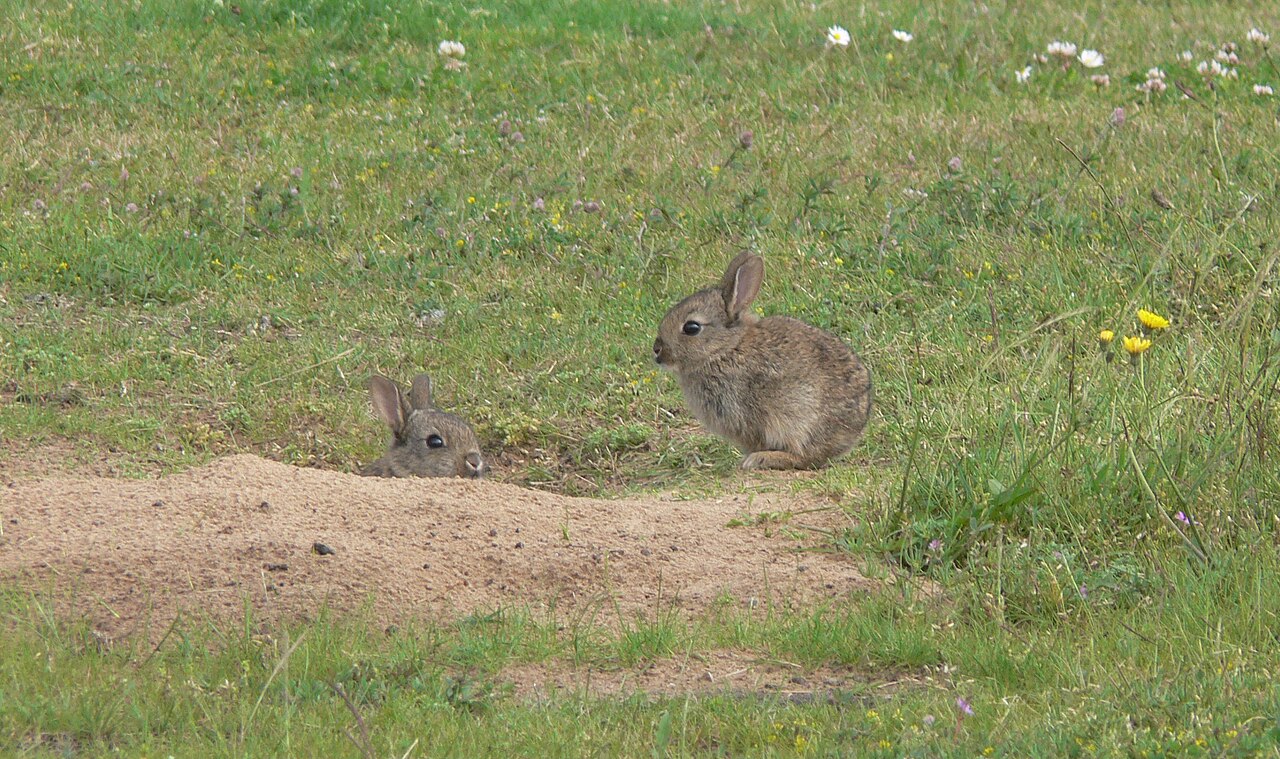
If you are wondering can you bathe a rabbit, the answer is no — a rabbit should never be given a full bath. Healthy rabbits are fastidious self-cleaners who wash themselves thoroughly every day, and immersing one in water risks shock, dangerous chilling and injury. Dirt on a rabbit is almost always a sign that something else needs fixing — a patch to spot-clean, a dirty bottom to wash carefully, or a living space cleaned more often. This guide explains the risks, the safe alternatives, and what to do if something harmful gets on your rabbit’s coat.
Rabbits Clean Themselves — Thoroughly
Watch a rabbit for any length of time and you will see the grooming routine: face washed with both paws, ears pulled down one at a time and cleaned, every reachable inch of coat licked and smoothed, several times a day. Rabbits are among the cleanest of animals, and a healthy rabbit in a clean home simply does not get dirty. Their coat is designed to stay dry — dense underfur traps air and insulation close to the skin — and their whole washing system assumes they stay that way.
That is why visible dirt on a rabbit matters. A clean animal with a dirty coat is telling you something: perhaps the litter area is not changed often enough, perhaps a bottom has soiled because of a health or diet problem, perhaps an elderly or overweight rabbit can no longer reach everywhere. The answer is to fix the cause and clean the patch — never to put the whole rabbit in water.
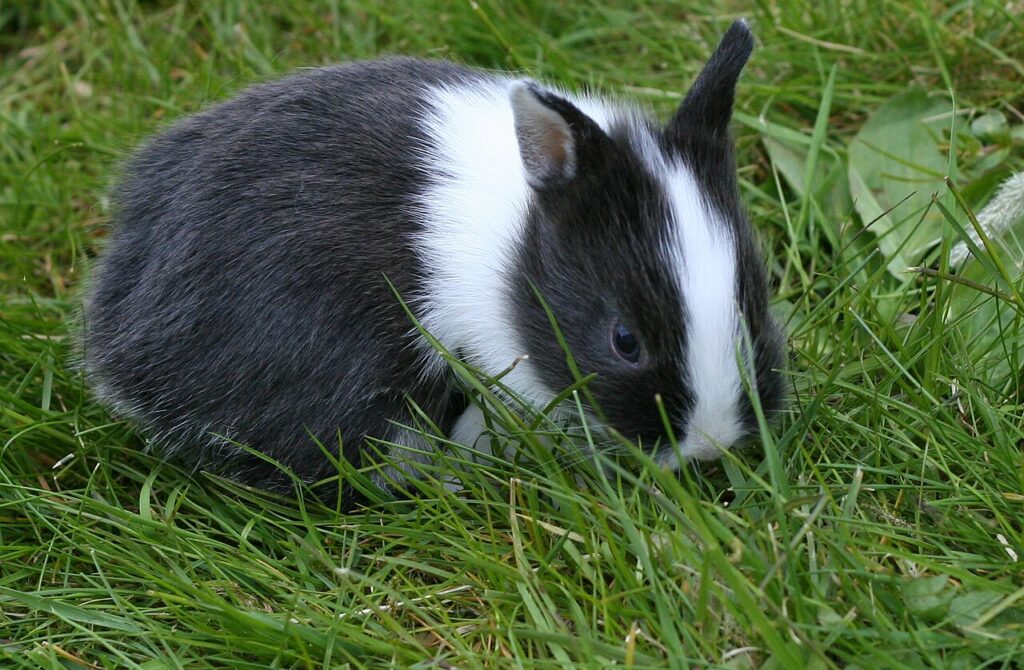
Why Full Baths Are Dangerous
Shock and stress
Rabbits are prey animals, and being immersed in water is, to them, an emergency. Many panic and struggle violently in a bath, and some go limp and quiet — sometimes mistaken for relaxation, when it is actually a fear response. Severe stress is no small thing in rabbits: it can trigger shock, stop them eating, and set off gut problems that become serious quickly. A bath also destroys trust; rabbits remember frightening handling.
Hypothermia: wet fur chills fast
A rabbit’s insulation works only while the coat is dry. Soaked through, the dense underfur loses its trapped air and holds cold water against the skin instead — and rabbits, especially small, young, elderly or unwell ones, can chill dangerously fast. Hypothermia is a genuine risk even from a short bath, and drying a rabbit thoroughly afterwards is slow precisely because that undercoat holds water so well.
Water in the ears
Bathing makes it easy for water to run into the ear canals, where it can irritate the ear and set up conditions for infection. Rabbit ears are delicate, cleaning inside them is never a home job beyond gentle external checks, and adding bath water to the picture invites trouble.
Skin irritation
Rabbit skin is thin and sensitive. Soaking and scrubbing can strip and irritate it, and shampoos — including products that later dry on the coat and get licked off during grooming — add chemicals a self-cleaning animal will inevitably swallow. Sore, irritated skin then invites scratching, damage and infection.
Injury from panicking
A wet rabbit is a slippery rabbit. One that panics and kicks or twists in a sink or bath can injure its back or legs with its own powerful hindquarters, or fall from a height when it slips from wet hands. These are the kinds of injuries that happen in seconds and matter for months.
The Safe Alternative: Spot Cleaning
Almost every “my rabbit needs a bath” situation is really a “one patch of my rabbit is dirty” situation. For a muddy paw, a hay-dusted back or a small grubby patch, spot cleaning is all that is needed:
- Use a soft cloth dampened with plain, lukewarm water — damp, not dripping.
- Wipe the dirty patch gently, working in the direction of the coat, re-dampening and rinsing the cloth as it picks up dirt.
- For dried-on dirt, hold the damp cloth against it for a few moments to soften it rather than scrubbing.
- Pat the patch as dry as you can with a clean towel, and keep your rabbit somewhere warm and draught-free until fully dry.
- No soap, no shampoo, no products. Plain water on a cloth handles everyday dirt.
Your rabbit stays dry overall, stays calm, and only the dirty bit gets damp. It takes minutes and achieves everything a bath was supposed to.
The One Exception: A Careful Bottom-Only Wash
There is one middle-ground situation: a rabbit whose bottom has become soiled, with droppings caked into the fur. That must be cleaned — a dirty bottom attracts flies and sore skin — but even here, the answer is not a bath. It is a shallow, bottom-only wash: a small amount of lukewarm water in a bowl or sink base, just the soiled rear end lowered in briefly, the mess softened and eased away, then thorough, gentle drying. The rest of the rabbit stays dry and supported throughout. Our step-by-step guide on how to clean a rabbit’s bottom safely walks through it in detail — and if bottoms keep getting dirty, that is a question for the vet as well as the washing bowl, because diet, teeth, weight and mobility problems all show up there first.
If Something Harmful Gets on the Coat
Occasionally a rabbit gets into something genuinely hazardous — a spilled household chemical, paint, or another substance that is poisonous or harmful if licked off. This is the one situation to act on urgently, and the order matters:
- Stop your rabbit licking it. Gently restrain or distract them; preventing swallowing is the first priority.
- Contact a veterinarian for advice first. Phone your vet or an emergency vet before washing anything — what the substance is changes what should be done, and some things should not be spread around with water.
- Meanwhile, minimal damp-cloth removal. While you wait for advice, gently wipe the worst of it away with a damp cloth, as in spot cleaning, without soaking the coat.
- Keep your rabbit warm. Stress plus any dampness plus a possible toxin is a bad combination; a warm, quiet, draught-free space matters.
Do not improvise a full bath even here, and do not use solvents, detergents or pet shampoos unless a vet specifically tells you to. The vet may want to see your rabbit, clip contaminated fur themselves, or advise a specific wash — follow that advice rather than general rules, because a poisoning risk outranks the usual no-bath guidance and needs professional direction.
Drying a Rabbit Properly
Whenever any part of your rabbit has got damp — spot cleaning, a bottom wash, or an accident — drying is not an afterthought. Pat gently with a soft towel, never rub vigorously at delicate skin, and let your rabbit finish drying somewhere warm and draught-free. Never use a hairdryer on a hot setting or hold one close: rabbit skin burns easily, and the noise and hot blast frighten most rabbits badly. In most cases a towel and a warm room are all you need. Check with your fingers that the undercoat against the skin is dry, not just the surface, before your rabbit returns to a cooler area.
But What About “Rabbit Shampoo”?
Products marketed for rabbits exist, and their presence on a shelf does not change the advice above. A shampoo still requires wetting the coat, still leaves residue a rabbit will lick off while self-grooming, and still solves a problem better solved by finding out why the rabbit got dirty. Save the money: a damp cloth for patches, a careful bottom wash when needed, and a vet visit when dirt keeps appearing will do more for your rabbit than any bottle.
Prevention: Keep Your Rabbit Clean Without Water
The real secret to a clean rabbit is a clean routine. Change litter and soiled bedding frequently, keep floors dry, deal with a messy enclosure before it messes up its occupant, brush regularly during shedding, and feed a hay-rich diet that keeps droppings firm. Our guide on how to keep a rabbit clean puts the whole routine together. Rabbits kept this way stay as clean as they naturally want to be, and the bath question never has to come up.
Conclusion
Can you bathe a rabbit? No — full baths risk shock, hypothermia, ear and skin problems and panic injuries, and they are never necessary. Rabbits clean themselves expertly; your job is to handle the exceptions safely. Spot-clean dirty patches with a damp cloth, use a shallow bottom-only wash for a soiled rear, dry any damp fur thoroughly in the warm, and if something poisonous ever gets on the coat, phone a vet before you wash. Keep the home clean and the diet right, and your rabbit will do the rest — as rabbits have always done, without a bath in sight.
Frequently Asked Questions
Can I bathe my rabbit if it smells?
A healthy rabbit in a clean home should not smell. If yours does, find the source: a soiled bottom, a dirty litter area, or possibly a health issue. Spot-clean the patch, clean the enclosure, and if the smell persists or the bottom keeps soiling, see a vet — a bath would hide the problem, not fix it.
What if my rabbit falls into water or gets soaked?
Get them out, wrap them gently in a towel, and dry them thoroughly in a warm, draught-free room, checking the undercoat against the skin is fully dry. Watch for shivering, cold ears, quietness or refusal to eat afterwards, and contact a vet if you see any of those signs.
Is a bottom wash really not a bath?
Right — it is a shallow, brief wash of only the soiled rear end, with the rest of the rabbit kept dry, warm and supported. It is the accepted exception for caked droppings, because leaving a dirty bottom risks flystrike and sore skin. It should still be done gently and dried thoroughly.
Are dry or foam “no-rinse” rabbit shampoos safe?
They are unnecessary for a healthy rabbit and still leave residue in the coat that your rabbit will lick off while grooming. Plain water on a cloth does the same job with nothing added. Unless a vet recommends a specific product for a specific condition, skip them.
My rabbit got paint or chemicals on its fur. What should I do?
Stop your rabbit licking the area, wipe the worst off gently with a damp cloth, keep them warm, and phone a veterinarian straight away for advice before washing further. What the substance is changes the right response, so professional guidance comes first.
Related Guides on RabbitCare
References
- House Rabbit Society (rabbit.org) — guidance on rabbit grooming and why rabbits should not be bathed.
- RSPCA — advice on keeping rabbits clean, grooming and everyday care.