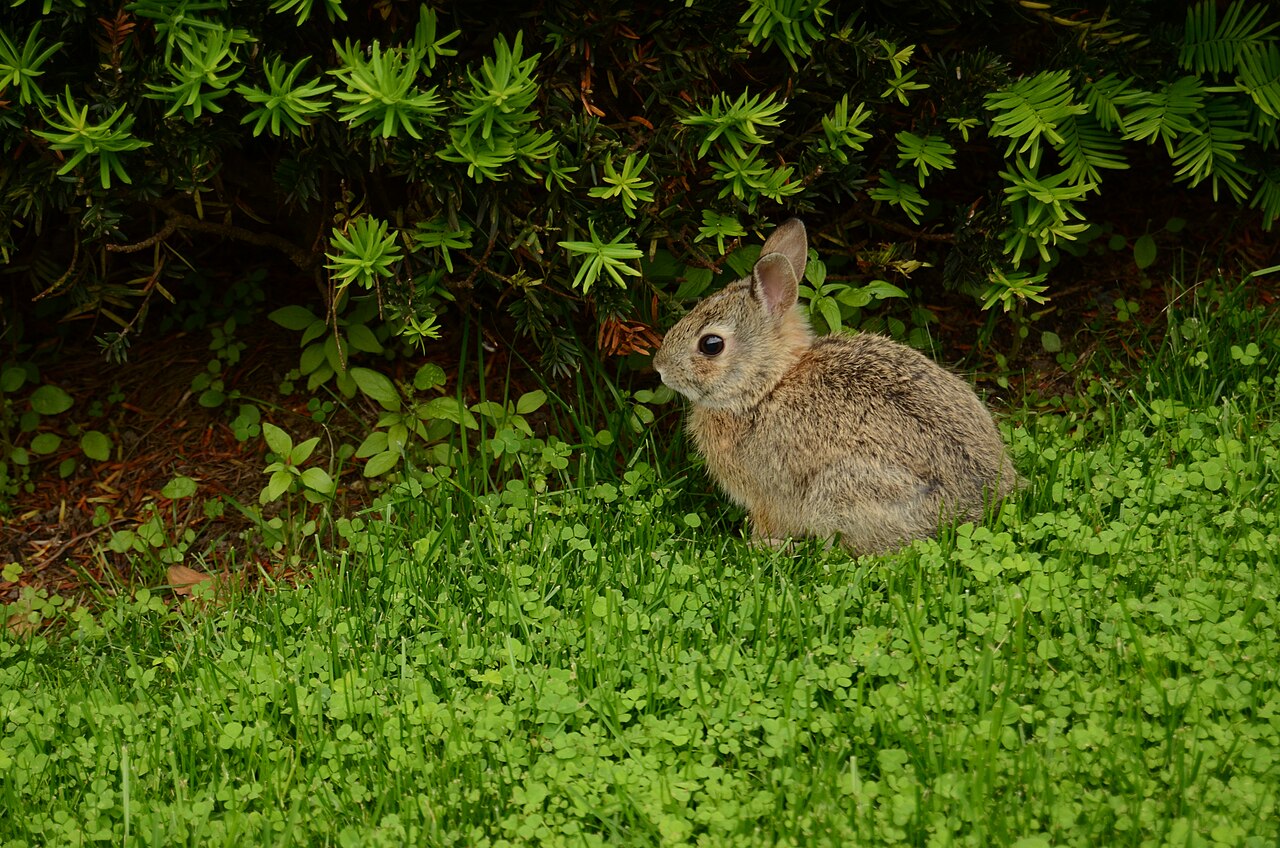
Good rabbit paw care starts from one simple fact: rabbits do not have paw pads like cats and dogs. Their feet are covered in fur, with the skin protected only by that coat and by the way their weight spreads across the foot. That makes the surfaces your rabbit lives on, and a few minutes of regular checking, far more important than any product. This guide covers the basics of rabbit foot anatomy, what to check and how often, how sore hocks develop and how to prevent them, how to clean dirty feet safely, and the signs that mean a vet visit.
Healthy feet are easy to take for granted because rabbits hide discomfort well. A short routine — the right flooring, clean dry litter and regular checks — prevents most foot problems before they start.
Rabbit Feet: The Basics
A rabbit’s hind feet are long and powerful, built for digging and thumping, with strong claws on each toe. The front paws are smaller and more delicate, used for grooming and handling food. The key thing for care is the underside: where a dog has thick, bare pads, a rabbit’s sole is covered by a dense layer of fur. That fur is the padding. It cushions the foot bones against the ground and protects the thin skin beneath.
Because the fur is doing the job of pads, anything that wears, mats or thins that fur removes the foot’s protection. Pressure then falls directly on the skin over the heel bone, which is exactly where problems begin. This is why flooring matters so much for rabbits in a way it simply does not for a cat or a dog: a surface that is hard, rough, slippery or constantly wet will damage feet over time, however clean the rest of the enclosure is.
Checking Your Rabbit’s Feet
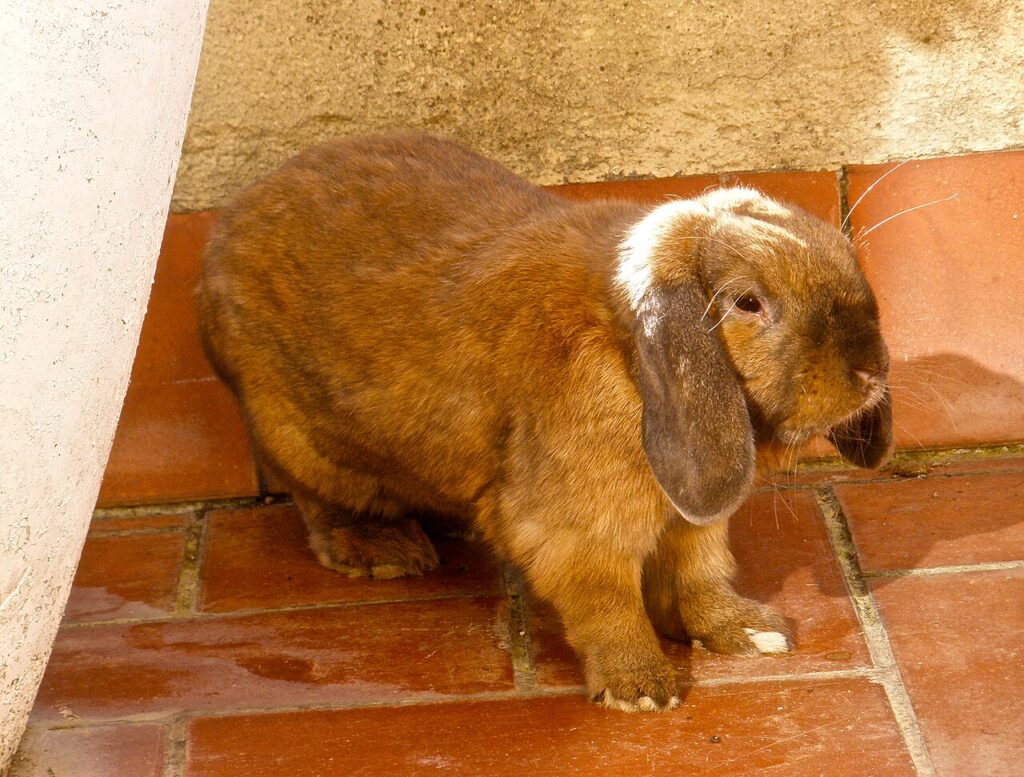
Build foot checks into your regular handling so your rabbit treats them as normal. A quick look at the undersides a few times a week, and a more thorough check weekly, is a sensible rhythm for most rabbits. Check while your rabbit is relaxed, ideally sitting on a low, secure surface or supported on your lap, and never flip them onto their back to do it.
- Soles: part the fur gently and look at the skin, especially over the heel. It should be pale and intact, with fur covering it well.
- Heels: look for any bald patch, pinkness or redness — the earliest signs of sore hocks.
- Toes and between the toes: check for mats, stuck litter or droppings, and any swelling.
- Nails: check length and look for cracks, splits or a nail that has caught and torn.
- Symmetry: compare left and right feet; a difference in how a foot looks or is used is worth noting.
Also watch how your rabbit moves. Shifting weight from foot to foot, sitting with hind feet pushed forwards, reluctance to hop, or hopping less than usual can all be early clues that feet are uncomfortable. Our guide to signs of pain in rabbits explains these subtle changes in more detail.
Sore Hocks: What They Look Like and Why They Happen
“Sore hocks” is the everyday name for sore, inflamed skin on the underside of the hind feet, usually over the heel — vets may call it pododermatitis. It often develops gradually: the fur over the heel thins and a bald patch appears, the skin looks pink or red and may feel slightly thickened, and if the pressure continues the skin can become sore, cracked or broken, which is painful and open to infection.
Common contributors
- Hard or rough flooring that concentrates pressure on a small area of the heel.
- Slippery flooring, which makes feet slide and skid and changes how weight lands.
- Wet or soiled bedding and litter, which soften the skin and coat and leave feet sitting in dampness.
- Extra weight, which increases the pressure through the feet with every step.
- Inactivity and small living spaces, because a rabbit who sits in one spot for long periods keeps constant pressure on the same area.
- Naturally thinner fur: some rabbits, including rex types with their very short, fine coats, have less protective fur over the heel and need extra care with surfaces.
Preventing Sore Hocks
Prevention is mostly about environment, and it works. Review where your rabbit actually spends their time, including favourite sitting spots, which may not be where you expect.
- Provide soft, grippy flooring. Washable rugs, mats or fleece over hard floors give both cushioning and grip. Our guide to the best flooring for rabbits compares the options in detail.
- Keep litter and bedding clean and dry. Spot-clean daily so feet are never standing in wet litter; see our guide to cleaning a rabbit enclosure for a workable routine.
- Support a healthy weight. If your rabbit is gaining weight, more pressure is going through their feet; our guide to rabbit weight gain covers diet adjustments.
- Encourage exercise and movement. Space to hop, play and change position spreads pressure and keeps circulation healthy; tunnels and enrichment in the enclosure help.
- Keep nails trimmed. Overlong nails change how the foot sits on the ground and can push weight back onto the heel. Our guide to trimming rabbit nails shows the technique.
- Act on early redness. A small pink bald patch is a prompt to improve flooring and bedding straight away and to monitor closely — catching it at this stage can stop it progressing.

Cleaning Dirty Feet Safely
Feet get grubby, especially in outdoor runs or after litter-tray mishaps, but rabbits rarely need their feet washed. Start dry: a soft brush or dry cloth will shift loose dirt, and dried mud can often be crumbled out of the fur once fully dry. For stuck-on soiling, spot-clean only the dirty area with a cloth dampened in lukewarm water, exactly as you would for any small dirty patch, then pat the foot completely dry.
Avoid soaking feet routinely. Repeatedly wetting the fur and skin softens them, strips the coat’s protective qualities and can make sore skin worse — and a rabbit left with damp feet on bedding will soon have dirty, damp bedding too. If feet are getting soiled every day, treat that as a litter and flooring problem to fix rather than a washing problem, and check the tray setup using our litter box setup guide.
Mats and Debris Between the Toes
Litter, hay seeds and droppings can lodge between the toes and in the fur around them, and in long-haired rabbits the foot fur can mat. Tease debris out gently with your fingers during your regular checks. Small mats can be worked apart strand by strand or teased out with a fine comb, always supporting the foot and never pulling against the skin. If a mat is tight to the skin, do not cut it out with scissors — the skin between a rabbit’s toes is thin and easy to nick. Moisten it, work at it over several short sessions, or ask your vet to remove it safely at your next visit.
When to See a Vet
Feet problems can become painful quickly, and rabbits often hide how much something hurts. Book a vet visit if you notice any of the following:
- Broken, cracked, weeping or bleeding skin on any foot.
- Swelling of a foot or toe, or heat in the area.
- Limping, hopping unevenly, or not putting weight on a foot.
- A torn or missing nail, or a nail bed that looks sore.
- Redness or a bald heel patch that is getting worse despite better flooring.
- Your rabbit going off their food or becoming quiet — a possible sign of pain.
A rabbit who is not bearing weight on a foot at all, or who has an injury from catching a foot or nail, should be seen the same day. Do not apply creams, powders or anything else to sore feet unless your vet has advised it — your rabbit will lick the area, and many products are not suitable.
Conclusion
Rabbit paw care is mostly prevention: because rabbits rely on fur rather than pads, soft grippy flooring, clean dry litter, a healthy weight and regular movement do the heavy lifting. Add a few minutes of checking each week — soles, heels, toes and nails — clean dirty feet dry or with a quick spot-clean rather than soaking, and deal with early redness by improving surfaces straight away. If skin breaks, a foot swells or your rabbit stops using a foot normally, your vet is the next step.
Frequently Asked Questions
Do rabbits have paw pads?
No. Unlike cats and dogs, rabbits have no bare paw pads. The underside of a rabbit’s foot is covered in dense fur, and that fur is the cushioning. This is why hard, rough or slippery flooring can cause sore feet in rabbits.
What do early sore hocks look like?
The first sign is usually a small bald patch on the underside of the hind foot over the heel, with pink or slightly red skin showing through. At this stage, improving flooring and bedding and monitoring closely can prevent it getting worse. Broken or weeping skin needs a vet.
How often should I check my rabbit’s feet?
A brief look at the soles a few times a week and a thorough check — soles, heels, between the toes and nails — once a week suits most rabbits. Check rex types and rabbits with any history of sore hocks more often, as their fur protection is thinner.
Can I wash my rabbit’s dirty feet?
Spot-cleaning with a cloth dampened in lukewarm water is fine for a dirty patch, followed by thorough drying. Avoid routinely soaking the feet, as repeated wetting softens the skin and fur and can make sore areas worse. Feet that get dirty daily usually mean the litter or flooring needs attention.
Can sore hocks heal on their own?
Very early redness may settle if you remove the cause — softer flooring, dry bedding, weight management — and keep a close eye on it. Once skin is broken, swollen or your rabbit is limping, it will not reliably heal without veterinary care, so book an appointment rather than waiting.
Related Guides on RabbitCare
- Best Flooring for Rabbits: Safe, Comfortable Surfaces
- How to Trim Rabbit Nails Safely
- How to Set Up a Rabbit Litter Box Your Rabbit Will Use
References
- House Rabbit Society (rabbit.org) — guidance on rabbit care, housing and foot health.
- RSPCA — advice on rabbit environment, flooring and welfare needs.