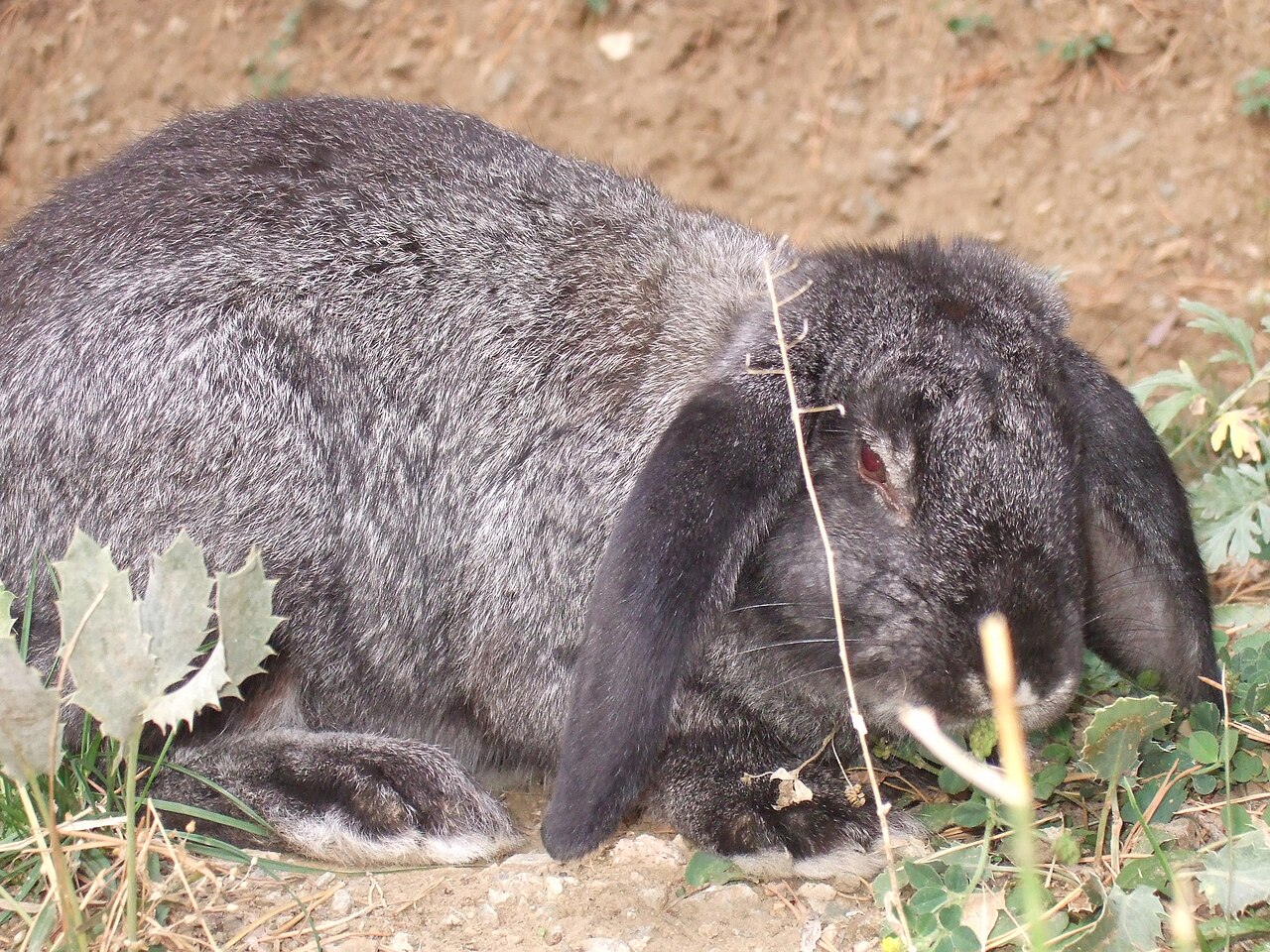
Learning how to keep a rabbit clean is mostly about habits, not bathing. Rabbits are fastidiously clean animals who wash themselves many times a day, so your role is to give them a clean environment, check the places they cannot reach, and spot-clean the occasional messy patch — never to give a full bath. A tidy litter routine, daily bottom and foot checks, and a weekly once-over will keep almost every rabbit fresh and comfortable. This guide explains the daily habits that work, what a dirty bottom is really telling you, and how older rabbits may need a little more of your help.
Rabbits Clean Themselves — Your Job Is the Rest
A healthy rabbit grooms like a cat: washing their face with dampened paws, licking their coat smooth and keeping themselves remarkably tidy. If a rabbit looks or smells dirty, the cause is rarely the rabbit — it is usually the environment, a health problem that stops them grooming, or a diet issue showing up at the rear end.
So think of your job in three parts:
- Keep the living space clean, so your rabbit is not sitting in soiled bedding or a wet litter tray.
- Check the blind spots — underside, bottom, feet and ears — where dirt builds up unseen.
- Spot-clean only, with a damp cloth, when something gets on the coat.
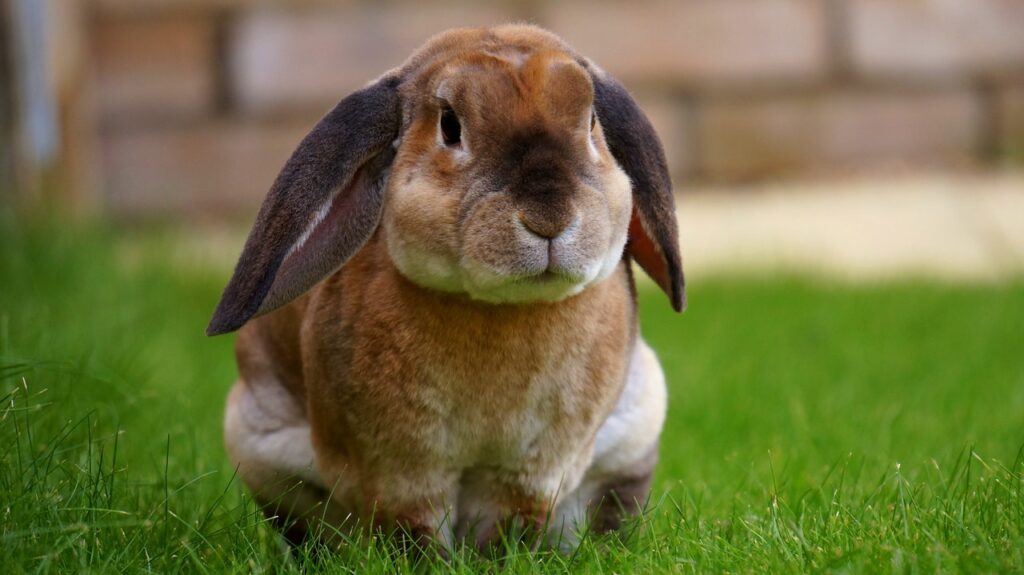
The Foundation: A Clean Enclosure and Litter Routine
No grooming routine survives a dirty home. Rabbits spend most of their day in their enclosure, and a rabbit lying in wet bedding will have a damp, stained underside however often you wipe them. The foundations are simple:
- Spot-clean the litter tray daily: remove soaked litter and droppings, top up with fresh litter and hay.
- Full litter tray change every few days, washed and dried before refilling — smell builds up fast in a tray that is only ever topped up.
- Dry, clean bedding in sleeping areas, changed whenever it becomes damp or soiled.
- Food and water areas kept fresh: bowls washed regularly, bottles checked so they are not dripping onto bedding.
- A proper weekly clean of the whole enclosure, which also controls odour at its source.
Our guides on rabbit litter box setup and how to clean a rabbit enclosure cover the full routines step by step.
Spot-Cleaning: The Only “Wash” a Rabbit Needs
When mud, litter or a dropping sticks to your rabbit’s coat, deal with just that patch:
- Soak a soft cloth in lukewarm water and hold it against the dirty area to soften anything dried on.
- Wipe gently, working the dirt free a little at a time. For a soiled bottom, you can sit your rabbit securely and clean only the affected fur.
- For stubborn dried matter on the underside, use only enough water to soften it — a shallow, brief bottom-only soak of the dirty fur is sometimes needed, but never immerse your rabbit.
- Dry the area thoroughly with a towel. Damp fur chills a rabbit and damp skin underneath can become sore.
- If skin underneath looks red, broken or sore, stop and book a vet — that is no longer a cleaning job.
Never give a rabbit a full bath. Being immersed in water is frightening for a prey animal, can cause dangerous chilling, and stresses rabbits severely. Our article on whether you can bathe a rabbit explains the risks and the safe alternatives in full.
Bottom Checks: Small Habit, Big Information
Check your rabbit’s bottom every day — a quick, gentle lift-and-look while handling or during the evening tidy. A clean rabbit’s bottom is dry, with no droppings stuck in the fur. A dirty bottom is information, and it often points to something fixable:
- Diet: too many rich foods and too little hay produce soft droppings that stick. The fix is usually more hay and fewer treats — see our guide to what rabbits should eat.
- Weight: an overweight rabbit cannot physically reach round to clean themselves or eat their caecotrophs, so both end up stuck or left. Weight loss, guided by your vet, solves it.
- Mobility: arthritis, pain or dental trouble can stop a rabbit twisting and grooming as they used to.
- Dirty environment: a rabbit sitting in a soiled tray all day will have a soiled bottom.
Clean a mucky bottom promptly with the spot-cleaning method above — matted, soiled fur left in place causes sore skin and attracts flies.
Flystrike: The Reason Bottom Checks Matter Most in Summer
In warm weather, a dirty bottom can become an emergency. Flies lay eggs in soiled fur, and the maggots that hatch can damage a rabbit’s skin within a very short time — this is flystrike, and it is life-threatening. Check bottoms daily in warm weather, twice daily for rabbits who are elderly, overweight or prone to muckiness. If you ever see maggots or fly eggs on your rabbit, treat it as an emergency: contact a veterinarian immediately, the same hour if you can. Remove nothing aggressively and do not bathe the rabbit — just get veterinary help at once. Prevention is entirely in your hands: clean bottoms, clean litter and daily checks.
Keeping Feet Clean
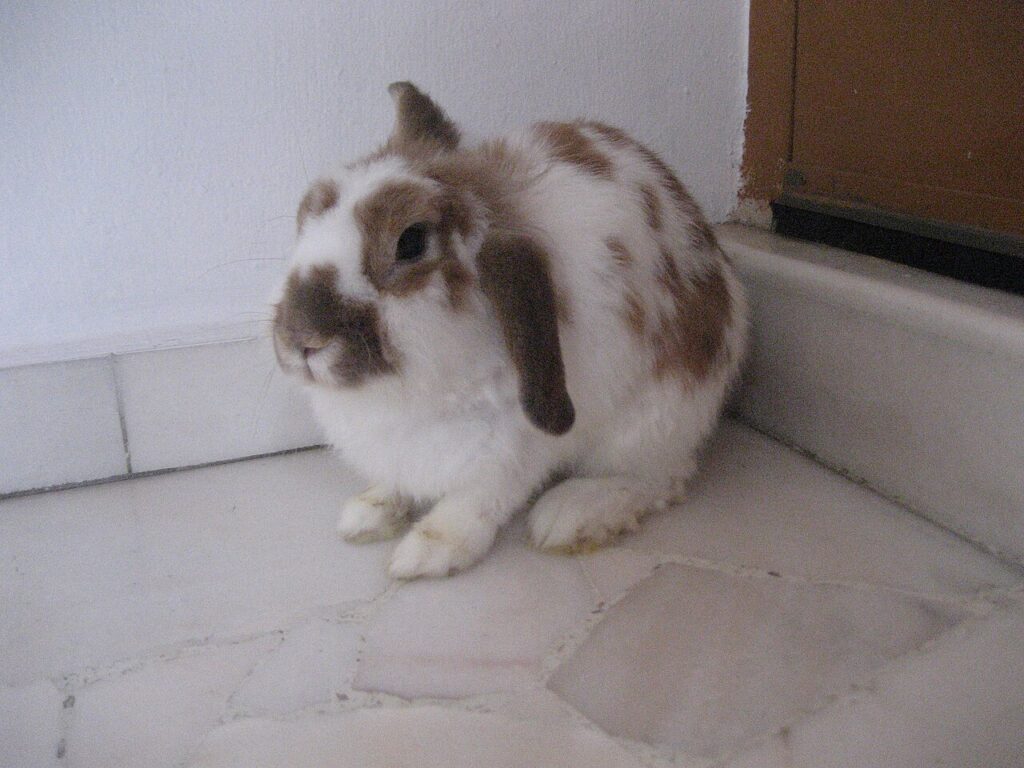
Feet pick up whatever the enclosure floor offers. Clean, dry flooring and a tidy litter tray keep paws in good shape. Check the undersides of the feet when you handle your rabbit: the fur should be clean, and the skin of the hocks covered and unbroken. Mud or litter caked between the toes can usually be eased out gently with a damp cloth. Red, bald or sore hocks, or a rabbit reluctant to move, mean a vet visit and a look at flooring — our guide to the best flooring for rabbits explains surfaces that protect feet.
Odour Control Without Scented Products
A healthy rabbit in a clean enclosure smells of very little — mostly hay. Odour almost always traces back to urine-soaked litter or bedding, so solve it there:
- Empty and wash litter trays on schedule rather than masking smells.
- Use absorbent, rabbit-safe litter and enough of it; skimping makes smells worse, not cheaper.
- Improve airflow around the enclosure where you can do so without draughts on the rabbit.
- Wash fleeces and blankets from the enclosure regularly.
Never use scented sprays, air fresheners or perfumed litter around rabbits. Their airways are sensitive, strong fragrances can irritate them, and scented products only ever mask a cleaning problem that needs solving. If a strong smell appears suddenly despite a clean home, that itself can signal illness — a rabbit who smells “off” or whose urine changes should see a vet.
Older Rabbits and Rabbits Who Need More Help
As rabbits age, many groom less thoroughly. Stiff joints can make reaching the back, bottom and feet difficult, and an older rabbit may gradually leave caecotrophs uneaten or develop a mucky underside. This is common and manageable, but it deserves a vet check rather than assumptions, because pain and dental problems are frequent, treatable causes of reduced grooming in older rabbits.
While you work with your vet, increase your side of the bargain: bottom checks twice daily, gentle spot-cleaning whenever needed, more frequent litter changes, and soft, low bedding that is easy to move on. Never punish or ignore a rabbit who is struggling to stay clean — they need help and probably pain relief, not a bath.
A Simple Weekly Clean-Check Routine
| When | Check or task |
|---|---|
| Daily | Bottom check; litter tray spot-clean; fresh water; quick look at feet and general coat |
| Every 2–3 days | Full litter tray change and wash; bedding refresh; brush out loose fur |
| Weekly | Full enclosure clean; nose-to-tail once-over — ears, eyes, teeth glimpse, underside, hocks, nails; spot-clean any dirty patches |
| Monthly | Review: is the bottom staying clean? Any new smells, stains or grooming changes? Note anything to raise at the next vet visit |
Conclusion
To keep a rabbit clean, work with their nature rather than against it: they wash themselves, and you keep the home clean, the litter fresh and the checks regular. Spot-clean dirty patches with a damp cloth and dry thoroughly, never give a full bath, and treat a dirty bottom as a clue about diet, weight or mobility — and, in warm weather, as a flystrike risk that needs same-day attention. Older rabbits simply need you to do more of the reaching for them. Build the daily bottom check and the weekly once-over into your routine, and cleanliness takes care of itself.
Frequently Asked Questions
How often should I clean my rabbit?
Rabbits clean themselves; you only spot-clean dirty patches as they happen, with a damp cloth. The regular work is environmental: litter spot-cleaned daily, a full tray change every few days, a weekly enclosure clean, and daily bottom and feet checks.
Can I wash my rabbit with shampoo?
No. Rabbits should never be given a full bath or shampooed — immersion is stressful and can cause dangerous chilling. For a dirty patch, lukewarm water on a cloth is enough. If coat soiling keeps recurring, a vet should find the cause.
Why does my rabbit keep getting a dirty bottom?
Common causes are a diet too low in hay and too rich in other foods, excess weight preventing the rabbit reaching round, mobility or dental pain, or a soiled living space. Clean the bottom promptly, review diet and litter, and see a vet if it persists.
How do I stop my rabbit’s home smelling?
Odour comes from urine-soaked litter and bedding, so wash trays fully rather than topping up, use enough absorbent rabbit-safe litter, and wash blankets regularly. Avoid scented sprays and perfumed litters — they mask the problem and can irritate a rabbit’s airways.
What should I do if I find maggots on my rabbit?
Treat it as an emergency and contact a veterinarian immediately — flystrike can become life-threatening very quickly. Do not bathe the rabbit or try to treat it yourself first. Daily bottom checks and clean litter are the best prevention, especially in warm weather.
Related Guides on RabbitCare
References
- House Rabbit Society (rabbit.org) — guidance on rabbit hygiene, grooming and litter care.
- RSPCA — advice on rabbit cleanliness, flystrike prevention and daily health checks.