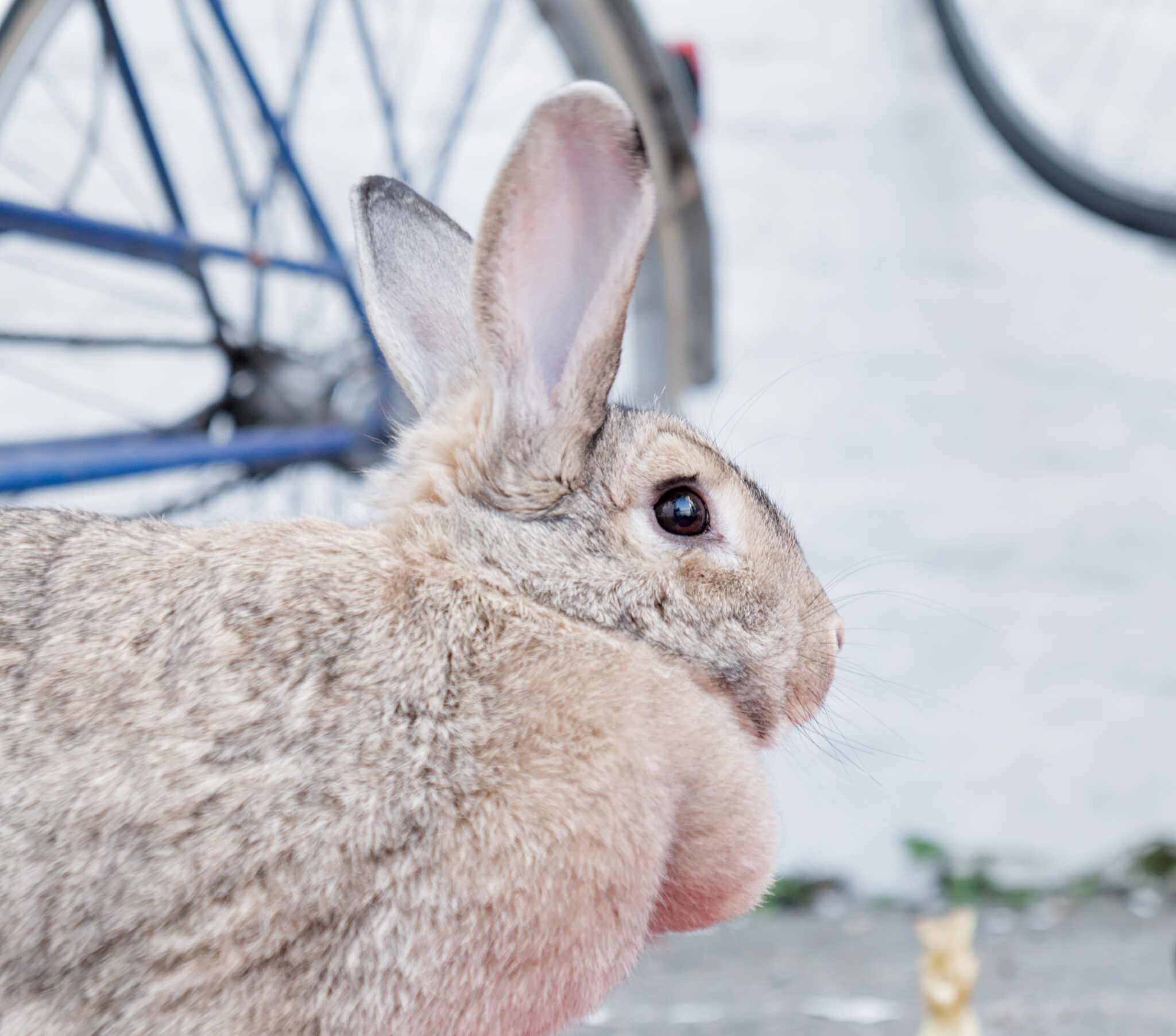
The best bedding for rabbits is soft, absorbent, low in dust and safe if nibbled: paper-based bedding is a reliable all-round choice for the living area, while hay and straw each play their own part — hay as food that doubles as bedding, and straw as a warm, insulating layer. Just as important is what to avoid: strongly scented softwood shavings, dusty products, and clumping cat litter, which should never go in a rabbit’s litter tray.
This guide explains what bedding actually has to do, how the main materials compare, and how much to use and how often to change it.
What Bedding Has to Do
Bedding is not just decoration on the enclosure floor. It has several jobs at once:
- Absorbency: soaking up urine so the surface stays drier and your rabbit is not sitting in dampness.
- Odour control: reducing smells between cleans, which matters greatly for indoor rabbits.
- Comfort: a soft surface to rest, stretch and sleep on, kind to feet that have fur but little padding.
- Warmth: insulation from a cold floor, especially in winter or on hard surfaces.
- Traction and hygiene: a surface with some grip, which stays reasonably clean and can be spot-cleaned easily.
No single material wins at everything, which is why many owners layer materials or use different ones in different parts of the enclosure.
Bedding Is Not the Same as Litter
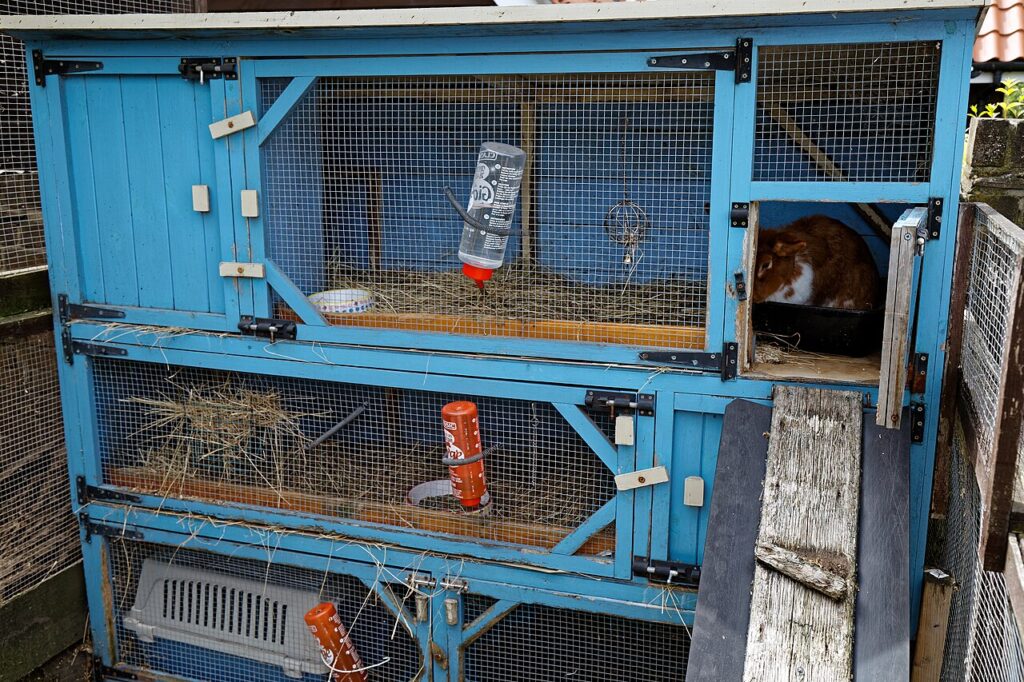
It helps to separate two jobs that are often confused. Litter goes in the litter tray, where your rabbit toilets; it needs maximum absorbency and odour control in a small area. Bedding covers the wider living and sleeping area; it needs comfort, warmth and grip, and your rabbit will spend hours lying on it and may nibble it as they graze and forage. Because bedding is a full-body, all-day material, safety and low dust matter even more for bedding than for a tray that is changed frequently. Many owners use one rabbit-safe product for both jobs, which is perfectly fine — the distinction is about purpose, not a rule that you must buy two products.
The Main Bedding Options
Paper-based bedding
Bedding made from recycled or processed paper is soft, absorbent and generally low in dust, and it is safe in the quantities a rabbit might nibble. It works well across the whole floor or in the sleeping area, holds warmth reasonably, and is easy to spot-clean. It is often the most expensive option per bag, though a little goes further than expected because it expands in use. Check the label for unscented, uncoloured products: perfumed versions marketed for freshness are not suitable for rabbits’ sensitive airways.
Hay as bedding
Rabbits naturally bed down in hay, and many love burrowing into a deep pile of it. Hay’s great advantage is that bedding and food are the same thing — a rabbit can graze from its bed, which encourages the constant hay eating rabbits need. As bedding alone it is less absorbent than paper products and can become damp and flat quickly, so it works best layered over an absorbent base or refreshed generously and often. Use affordable meadow hay for bedding if you wish, and keep the best feeding hay in the rack and litter tray.
Straw
Straw is hollow-stemmed and traps air, making it a genuinely warm, insulating bedding, particularly useful in cold weather or over a chilly floor. It is less absorbent than paper bedding, so it performs best as a top layer over something absorbent, or in the sleeping area. Straw is not a food — rabbits may nibble it but gain little from it — so feeding hay must always be available separately. Choose clean, dust-extracted straw and discard any that smells musty or looks mouldy.
Hemp and other plant-fibre beddings
Hemp and similar plant-fibre beddings are absorbent and often low in dust, and some owners use them successfully. If you try one, choose an unscented product made for small animals, introduce it in part of the enclosure first, and watch that your rabbit does not eat large amounts of it instead of hay.
| Material | Best for | Notes |
|---|---|---|
| Paper-based bedding | All-round floor and sleeping area | Soft, absorbent, low dust; choose unscented |
| Hay | Comfort, foraging, layering | Doubles as food; less absorbent, refresh often |
| Straw | Warmth and insulation | Top layer over absorbent base; not a food |
| Hemp / plant fibre | Absorbent floor covering | Unscented small-animal products only; introduce gradually |
What to Avoid
Some widely sold products are unsuitable or unsafe for rabbits:
- Strongly scented softwood shavings. The strong pine or cedar smell comes from aromatic oils that can irritate a rabbit’s airways and skin; scented products of any kind are best avoided entirely.
- Dusty bedding of any type. Dust irritates rabbits’ sensitive respiratory systems; if opening the bag raises a cloud, do not use it.
- Clumping cat litter. Never use it in a rabbit’s litter tray or enclosure. It can be dangerous if eaten and is not designed for an animal that grazes where it toilets.
- Newspaper alone as the main bedding: ink aside, it is barely absorbent or comfortable, though a layer under other bedding can help with cleaning.
- Anything mouldy, damp or musty-smelling, however cheap — discard it rather than risking your rabbit’s breathing and health.
How Deep, and How Often to Change It
Aim for a layer deep enough that your rabbit is never effectively standing on the bare floor — a few centimetres across the living area, and a deeper, cosier pile in the sleeping corner where they can burrow in. Practical routine matters more than precision:
- Spot-clean daily: lift out wet patches and soiled corners, and top up with fresh bedding.
- Refresh the litter tray frequently — every day or two for most rabbits — since it takes the heaviest use.
- Full change regularly: replace all bedding and wash the enclosure base about weekly for indoor setups, sooner if it smells or feels damp; there should never be a strong ammonia smell, which signals the routine needs stepping up.
- Wash reusable items such as fleece liners or mats on the same rhythm if you use them alongside bedding.
Dust, Allergies and Sensitive Rabbits
Rabbits have delicate airways, and some are noticeably more sensitive than others. If your rabbit sneezes repeatedly after a bedding change, or you see watery eyes or a drop in appetite, dusty bedding is a possible cause worth discussing with your veterinarian among other possibilities. Practical steps help most rabbits: choose dust-extracted or paper-based products, open new bags away from the enclosure so loose dust settles elsewhere, store bedding in a dry place so it cannot go musty, and change one variable at a time so you can tell what helped. Owners can be sensitive too — handling bedding in a ventilated space makes changes more pleasant for everyone.
Cost and Storage Practicalities
Bedding is a running cost, so it is worth thinking practically. Larger bales or bulk bags usually work out cheaper per week than small bags, provided you have a dry place to store them — a sealed plastic bin keeps bedding fresh and keeps it out of reach of the rabbit and other pets. Hay and straw bales are economical but bulky and must stay dry to avoid mould. Paper bedding costs more but is compact, light and easy to handle in a flat or small home. Whatever you choose, keep enough in reserve that you never have to stretch a change because the bag ran out.
Safety Checklist
- Choose unscented, low-dust products made for small animals.
- Never use clumping cat litter anywhere in the enclosure.
- Avoid strongly scented softwood shavings.
- Check every new bale or bag: reject anything damp, mouldy or musty.
- Keep feeding hay available separately — bedding is not a diet.
- Watch for sneezing or reduced appetite after a change, and mention persistent signs to your veterinarian.
Conclusion
The best bedding for rabbits combines safety, absorbency and comfort: paper-based bedding as a dependable base, hay for grazing and burrowing, and straw where extra warmth is needed — with scented softwood shavings, dusty products and clumping cat litter firmly avoided. Keep a decent depth, spot-clean daily, change fully on a regular rhythm, and store bedding dry. Your rabbit will spend most of their life on this surface, so it is worth getting right. Next step: check what is on your rabbit’s floor today against the avoid list above.
Frequently Asked Questions
Can I use wood shavings for my rabbit?
Strongly scented softwood shavings are best avoided: their aromatic oils and dust can irritate a rabbit’s airways. Paper-based bedding or hay and straw are safer everyday choices for the living area.
Is hay or straw better as bedding?
They do different jobs. Hay is food as well as bedding and encourages grazing, but absorbs less. Straw insulates better for warmth but is not eaten for nutrition. Many owners layer straw or hay over an absorbent paper base and get the benefits of both.
Why can’t rabbits have clumping cat litter?
Rabbits graze and groom where they live and toilet, so litter must be safe around an animal that may ingest some. Clumping cat litter is designed for cats, forms clumps when wet, and can be dangerous if eaten — use rabbit-safe paper-based litter instead.
How often should I change my rabbit’s bedding?
Spot-clean wet and soiled areas daily, refresh the litter tray every day or two, and do a full bedding change and base wash roughly weekly for indoor rabbits — sooner if there is any ammonia smell or dampness.
My rabbit sneezes when I change the bedding. What should I do?
Switch to a low-dust or paper-based bedding, open bags away from the enclosure, and see whether the sneezing settles. If it continues, or comes with watery eyes or reduced appetite, book a veterinary check, as sneezing has several possible causes.
Related Guides on RabbitCare
- How to Set Up a Rabbit Litter Box
- How to Clean a Rabbit Enclosure
- Best Indoor Housing for Rabbits: Space, Safety and Comfort
References
- House Rabbit Society (rabbit.org) — guidance on bedding, litter and safe housing materials.
- RSPCA — rabbit welfare guidance on bedding, comfort and environment.